
Blame
2018
No user ratings available yet
Representation score: 5.6 out of 10
Representation Score
Fair
1961
NRDirector
William Wyler
Runtime
108 minutes
Average Rating
No ratings yetNew Showbiz Analysis
The film presents a sophisticated psychological study that challenges traditional patriarchal models by placing women in positions of professional power. It uses accusations of queer identity to critique the harmful impact of social policing and institutional rigidity. However, the film’s impact is limited by its lack of racial and ethnic diversity. The narrative remains centered on the specific class and gendered experiences of white women within an elite setting. Ultimately, while the film offers a nuanced exploration of how social consensus constructs 'truth,' it remains tied to the anxieties of its era regarding straight relationships.
Category Breakdown
The film focuses on a relationship between two women that is seen as scandalous and tragic rather than as a positive identity. This relationship is used to highlight societal condemnation.
The story challenges traditional gender roles by placing women in intellectually powerful positions. However, their influence is ultimately constrained by societal pressures.
The cast is predominantly white, representing a socioeconomic elite. The narrative does not engage with diverse racial backgrounds or intersecting identities.
The film examines the tension between objective truth and social perceptions. It highlights how institutional structures and community rumors can perpetuate systemic injustices.
There is no significant representation of physical or neurodivergent disabilities in the main storyline.
Present on Screen
Limited or Absent
Official Synopsis
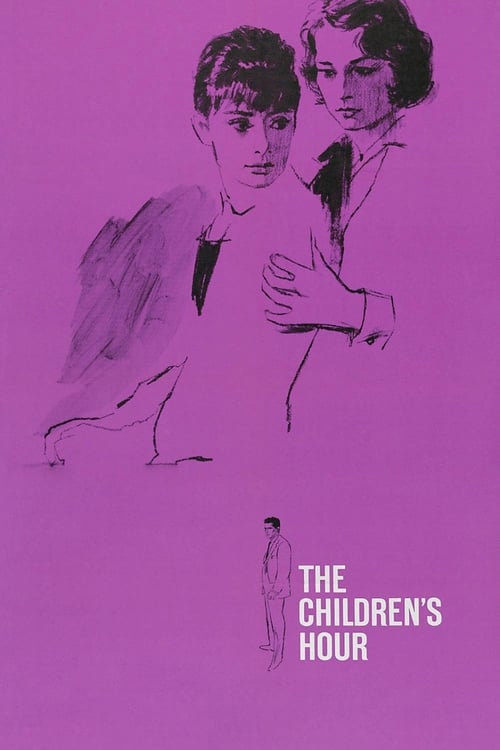
An unruly student at a private all-girls boarding school scandalously accuses the two women who run it of having a romantic relationship.
2018
1931

2007
1969
2008
1958
1936

2011
No reviews yet. Be the first to share your thoughts on this movie!
Use the rating form above to leave a star rating and optional review.