The Children's Hour
1961
No user ratings available yet
Representation score: 4.1 out of 10
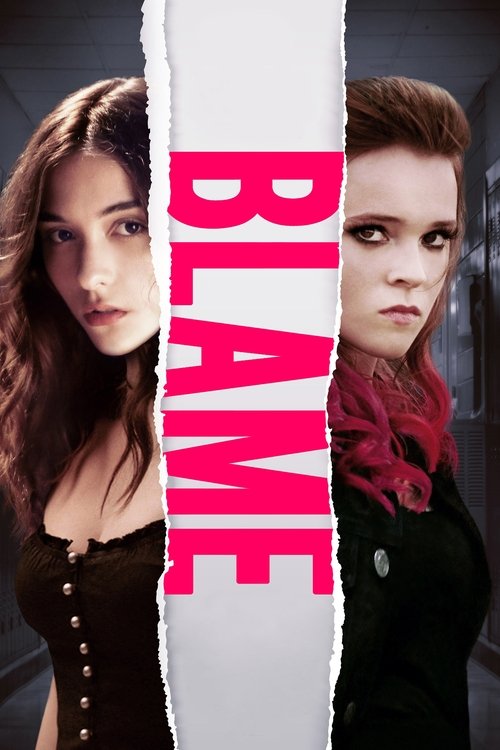
Representation Score
Fair
2018
Not RatedDirector
Quinn Shephard
Runtime
100 minutes
Average Rating
No ratings yetNew Showbiz Analysis
Blame is a character-driven study that prioritizes the deconstruction of social and familial norms. It excels in its sophisticated handling of gendered power dynamics and the exploration of queer identity, offering a nuanced look at personal autonomy. However, the film's impact is limited by a lack of racial diversity. The setting remains confined to a white, middle-class socioeconomic context, missing opportunities for storytelling that reflects multiple aspects of identity. Ultimately, the film's strength lies in its refusal to reinforce traditional moral hierarchies, instead framing subjective experience as the primary driver of the narrative.
Category Breakdown
The film delves into the protagonist's journey of discovering their queer identity. It avoids common stereotypes, focusing instead on the internal exploration of non-straight attractions within a restrictive social environment.
By highlighting conflict between female characters, the film challenges traditional hierarchies. It presents women as complex individuals causing psychological unrest rather than passive figures.
The cast and setting are concentrated within a white, middle-class context. The narrative lacks multi-layered casting or diverse ethnic representation, limiting its demographic scope.
The story questions traditional Western institutions such as the nuclear family. It emphasizes individual identity and moral relativism over communal or religious norms, depicting family as a source of tension.
There is no indication of visible or invisible disabilities playing a central role in the plot or character development.
Present on Screen
Limited or Absent
Official Synopsis
A drama teacher's taboo relationship with an unstable student strikes a nerve in her jealous classmate, sparking a vengeful chain of events within their suburban high school that draws parallels to "The Crucible".
1961

2011
2008
2009
2011
2003

2013

2018
No reviews yet. Be the first to share your thoughts on this movie!
Use the rating form above to leave a star rating and optional review.