Interiors
1978
No user ratings available yet
Representation score: 2.5 out of 10
Representation Score
Good
2007
NRDirector
Tom Kalin
Runtime
97 minutes
Average Rating
No ratings yetNew Showbiz Analysis
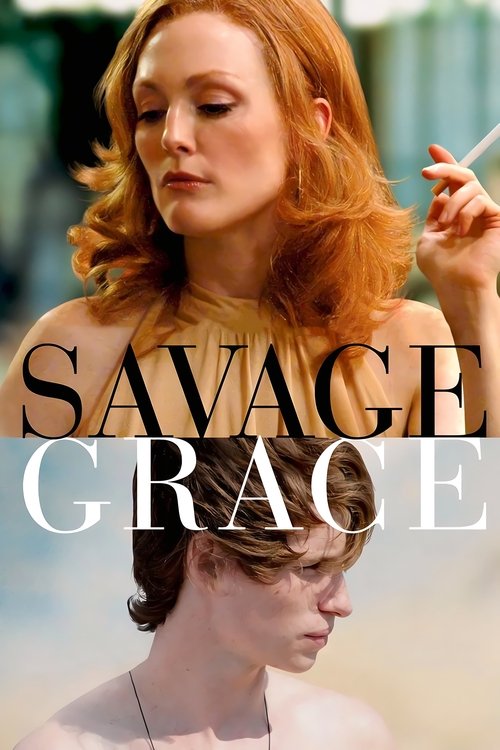
Savage Grace is a transgressive study of social and familial failure. It succeeds in dismantling traditional hierarchies, particularly through its complex portrayal of queer identity and the subversion of maternal archetypes. The film rejects the sanctity of the nuclear family, opting for a postmodern exploration of human impulses. However, the film is strikingly narrow in its demographic scope. It remains tethered to a specific, white, Anglo-Saxon elite, which results in a near-total absence of racial or ethnic diversity. This lack of broad representation limits the narrative's breadth. Ultimately, the film's strength lies in its refusal to uphold conventional moral codes. While it lacks inclusivity regarding race, it provides a deep, albeit tragic, interrogation of cultural and sexual identity.
Category Breakdown
The film centers on Antony's homosexuality as a core part of his identity. It avoids sanitized portrayals, instead exploring the tragic conflict between queer identity and the societal pressures of the time.
Barbara subverts traditional maternal roles by acting as a destabilizing force of obsession. The film dismantles expected domestic hierarchies, replacing the submissive wife archetype with a destructive form of influence.
The narrative is confined to a homogeneous, white, upper-class New York social stratum. It offers virtually no diverse racial representation or engagement with non-white perspectives.
The film deconstructs the nuclear family, presenting it as a site of dysfunction rather than stability. It critiques capitalist social structures and traditional Western morality through a lens of psychological corruption.
Psychological instability and mental health issues drive the central tragedy. However, these elements serve the plot's descent into violence rather than exploring neurodivergence with inherent influence.
Present on Screen
Limited or Absent
Official Synopsis
This examination of a famous scandal from the 1970s explores the relationship between Barbara Baekeland and her only son, Antony. Barbara, a lonely social climber unhappily married to the wealthy but remote plastics heir Brooks Baekeland, dotes on Antony, who is homosexual. As Barbara tries to "cure" Antony of his sexuality -- sometimes by seducing him herself -- the groundwork is laid for a murderous tragedy.
1978
1977
1997

1959

2015
1980

1989
1956
No reviews yet. Be the first to share your thoughts on this movie!
Use the rating form above to leave a star rating and optional review.