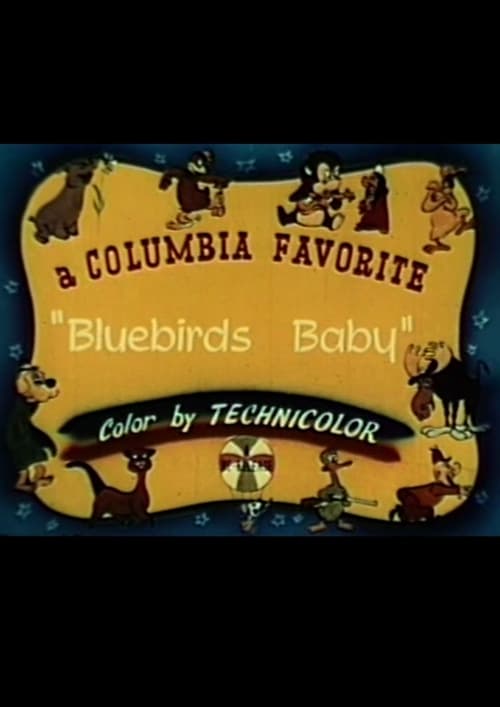
Bluebird's Baby
1938
No user ratings available yet
No diversity score available
No Poster Available
1937
ApprovedDirector
Ben Harrison
Runtime
7 minutes
Average Rating
No ratings yetSynopsis
The storks go on strike and pelicans take over the child delivery system.
Overall Score
Minimal
Category Breakdown
LGBTQ+ Representation
The film contains no evidence of queer narratives or non-heteronormative identities. It appears to follow traditional asexual or heteronormative anthropomorphic tropes common to the era.
Gender Representation
The narrative focuses on species-based roles rather than gendered dynamics. There is no visible evidence of gendered agency or the subversion of traditional gender hierarchies.
Racial & Ethnic Diversity
The animation lacks racial or ethnic complexity. The characters appear to adhere to the homogeneous characterization standards typical of 1937 animation.
Religious & Cultural Diversity
The premise of a labor strike introduces themes of organized labor and systemic disruption. However, these elements are framed as a comedic fable rather than a cultural critique.
Disability Representation
There is no indication of characters possessing visible or invisible disabilities. The film does not address disability representation in any capacity.
Strengths
Areas for Improvement
AI Analysis
This 1937 short functions as a piece of slapstick animation centered on a mythological labor dispute. The plot replaces traditional storks with pelicans to drive a comedic conflict regarding a delivery strike. The film prioritizes situational humor and anthropomorphic tropes over social deconstruction. It operates within the standard storytelling frameworks of the Golden Age of animation, focusing on physical comedy rather than intersectional themes. Ultimately, the work lacks meaningful representation across most social categories. It serves as a period-typical example of early animation that avoids complex social or identity-based narratives.
1938
1934
1937
1950
1933
1945
1935
1935
1942
1936
1935
1935
No reviews yet. Be the first to share your thoughts on this movie!
Use the rating form above to leave a star rating and optional review.