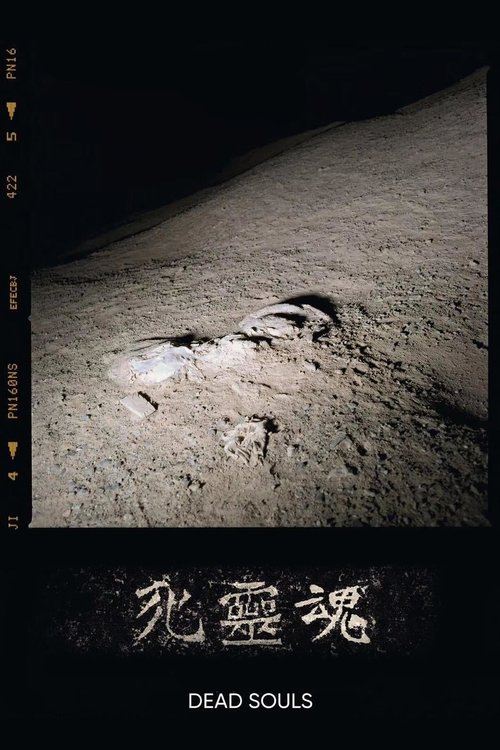
Dead Souls
2018
No user ratings available yet
Representation score: 6.5 out of 10
Representation Score
Good
2011
Director
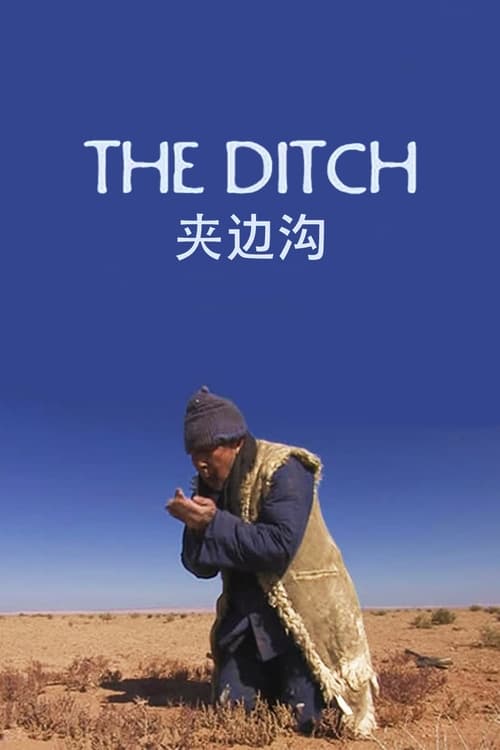
Wang Bing
Runtime
112 minutes
Average Rating
No ratings yetNew Showbiz Analysis
Wang Bing’s documentary is a powerful exploration of social realism, focusing on the voices of those underrepresented by the state. It excels in documenting the physical and emotional hardships faced by survivors in the Jiabiangou labor camps. By presenting the harsh realities of starvation and extreme cold without sanitizing the experience, the film disrupts conventional historical narratives and critiques systemic neglect. However, its specific historical and documentary focus limits its scope. It lacks LGBTQ+ representation and features a homogeneous ethnic cast, reflecting the demographics of the era’s political victims.
Category Breakdown
The documentary does not include any stories or identities related to LGBTQ+ individuals.
Gender roles are shown through the lens of survival in a rural, impoverished environment. The film highlights how state violence affects traditional family structures without challenging gender hierarchies.
The film features an ethnically homogeneous Chinese cast, centering voices that have been historically excluded from mainstream narratives. It presents an unfiltered perspective on a underrepresented community, rejecting Western-centric viewpoints.
The narrative provides a deep critique of centralized state power and institutional oppression. It emphasizes the lived experiences of the oppressed over official state-driven historical accounts.
The film offers a raw depiction of physical disabilities and chronic illnesses resulting from malnutrition. These conditions are presented as inescapable realities rather than mere plot devices.
Present on Screen
Limited or Absent
Official Synopsis
The film focuses on the suffering of Chinese who were imprisoned in a forced labor camp called Jiabiangou in the Gobi Desert in winter 1960 under Mao Zedong on the grounds that they were "rightist elements". The film tells of the harsh life of these men, who coped with physical exhaustion, extreme cold, starvation and death on a daily basis.
2018
2020

2009
1959
1994

1998
2021
1970
No reviews yet. Be the first to share your thoughts on this movie!
Use the rating form above to leave a star rating and optional review.