
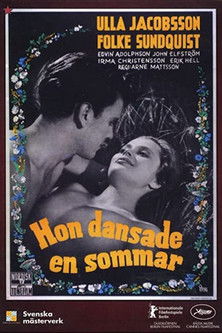
Primavera de la vida
1958
No user ratings available yet
Representation score: 0.6 out of 10
Representation Score
Limited
1951
Director
Arne Mattsson
Runtime
103 minutes
Average Rating
No ratings yetNew Showbiz Analysis
One Summer of Happiness is a period-specific drama that emphasizes themes of individual autonomy over modern demographic diversity. While it lacks racial and LGBTQ+ diversity, it offers a progressive critique of institutional authority. The film's strength lies in its subversion of traditional social hierarchies. By positioning religious and parental figures as antagonists, the narrative validates youthful ability to act against rigid moralism. However, the film remains limited by its era. Its reliance on heterosexual clichés and a homogeneous cast prevents it from achieving a higher diversity score.
Category Breakdown
The film follows a strictly heterosexual relationship between Göran and Kerstin. There are no queer identities or subtext in the narrative.
Kerstin plays a significant role in driving the story through her emotional journey and romantic choices. However, the film does not deeply explore traditional masculinity.
The cast is ethnically uniform, reflecting the mono-cultural demographics of 1951 Sweden. It does not feature diverse character archetypes or race-blind casting.
The story critiques traditional authority by portraying the village pastor and parents as oppressive forces. It challenges the benevolence of religious and familial institutions.
There are no visible or invisible disabilities portrayed as central to the characters or the plot progression.
Present on Screen
Limited or Absent
Official Synopsis
The young high school graduate Göran and the 17-year-old Kerstin get to know each other on the estate of Göran's uncle Persson and fall in love. But their relationship is watched suspiciously by the jammed adult world. While Persson has an understanding of the youth, Kerstin's parents and the pastor of the village rant against the alleged immorality of the young people. Despite all the malice, Göran and Kerstin decide for their love. But this love should last only one summer.
1958

1953
1952

1970

1989

1941

2009

1982
No reviews yet. Be the first to share your thoughts on this movie!
Use the rating form above to leave a star rating and optional review.