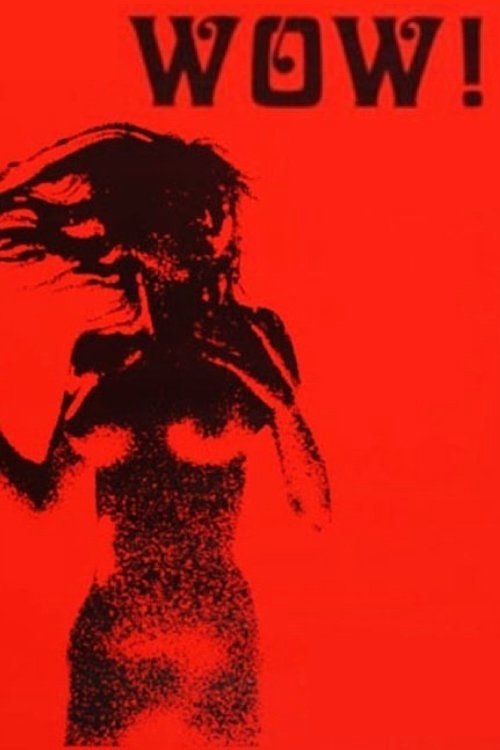
Wow
1970
No user ratings available yet
Diversity score: 6.0 out of 10
No Poster Available
1966
Director
Claude Jutra
Runtime
15 minutes
Average Rating
No ratings yetSynopsis
This short 1966 documentary dedicated "to all victims of intolerance” depicts the dawn of skateboarding in Montreal. A new activity frowned upon by police and adults, skateboarding gave youngsters a thrilling sensation of speed and freedom. This film - the first Canadian documentary ever made about the sport - captures the exuberance of boys and girls having the time of their lives in free-wheeling downhill locomotion.
Overall Score
Fair
Category Breakdown
LGBTQ+ Representation
The film lacks explicit queer characters or narratives. However, its dedication to victims of intolerance suggests a thematic interest in non-conformity and marginalized identities.
Gender Representation
The focus on youth subcultures and reclaiming public space favors individual agency. This approach tends to disrupt traditional gendered social roles and domestic hierarchies.
Racial & Ethnic Diversity
The cast likely reflects 1966 Montreal demographics. While specific details are absent, the focus on marginalized youth suggests a departure from mid-century media homogeneity.
Religious & Cultural Diversity
The film excels by critiquing Western institutional authority. It reframes anti-social skateboarding as a pursuit of liberation against oppressive municipal bans and rigid social structures.
Disability Representation
There is no information regarding the depiction of physical or neurodivergent identities in this work.
Strengths
Areas for Improvement
AI Analysis
Claude Jutra’s documentary uses a satirical, mock-propaganda framework to challenge institutional control. By framing skateboarding as a form of rebellion against municipal bans, the film prioritizes individual agency over state-sanctioned social norms. The work functions as a sophisticated critique of social regulation. While it lacks overt, intersectional character studies, its narrative architecture is inherently progressive, positioning youthful rebellion as a response to systemic intolerance. Ultimately, the film serves as an early example of media that deconstructs 'official' truths to highlight the friction between subcultures and established social orders.
1970
1968
2015

1958
2015

1959
2009

2018

2017
2008

1993
1964
No reviews yet. Be the first to share your thoughts on this movie!
Use the rating form above to leave a star rating and optional review.