
Gently Was Anastasia Passing
1980
No user ratings available yet
Representation score: 5.3 out of 10
Representation Score
Fair
1982
Director
Mircea Veroiu
Runtime
75 minutes
Average Rating
No ratings yetNew Showbiz Analysis
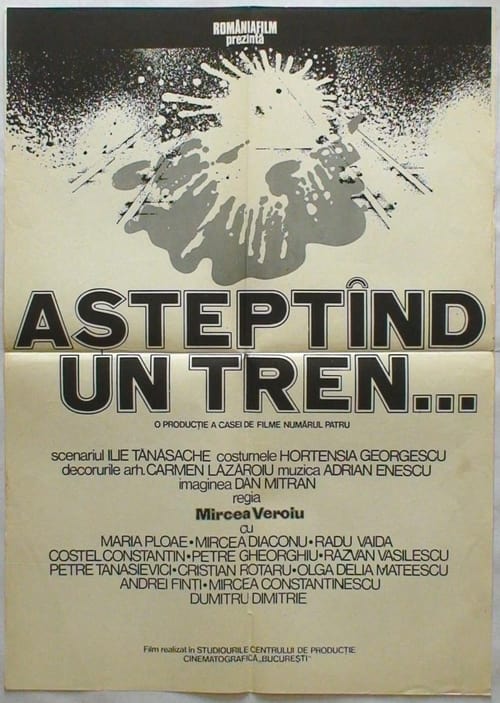
Waiting for a Train is a historical drama that prioritizes psychological complexity over traditional heroic clichés. It examines the tension between individual ability to act and the overwhelming momentum of historical shifts during Romania's 1944 geopolitical transition. The film lacks modern identity-based representation, particularly regarding LGBTQ+ characters and racial diversity. The focus remains on a localized, male-dominated military environment that reflects the era's demographic realities. However, the film excels in its thematic deconstruction of institutional stability. It offers a sophisticated look at how shifting political mandates impact individual morality and national identity.
Category Breakdown
The film does not include any explicit LGBTQ+ characters or narratives. The military setting and historical context emphasize traditional norms rather than diverse sexual orientations.
The story centers on a group of soldiers, a role traditionally occupied by men. The narrative highlights military hierarchy and conventional masculine leadership roles.
The cast appears ethnically homogeneous, reflecting the demographic reality of the Romanian military in 1944. It focuses on a localized, period-specific historical perspective.
The film delves into the instability of political institutions during a major alliance shift. It explores the fragility of national identity and situational ethics.
There is no information available regarding the portrayal of physical or neurodivergent disabilities in this work.
Present on Screen
Limited or Absent
Official Synopsis
After Romania changed alliances in August 23rd, 1944, a group of soldiers have the mission to stop a military train.
1980

1977
1974

1945

1956

1984

1985

1967
No reviews yet. Be the first to share your thoughts on this movie!
Use the rating form above to leave a star rating and optional review.