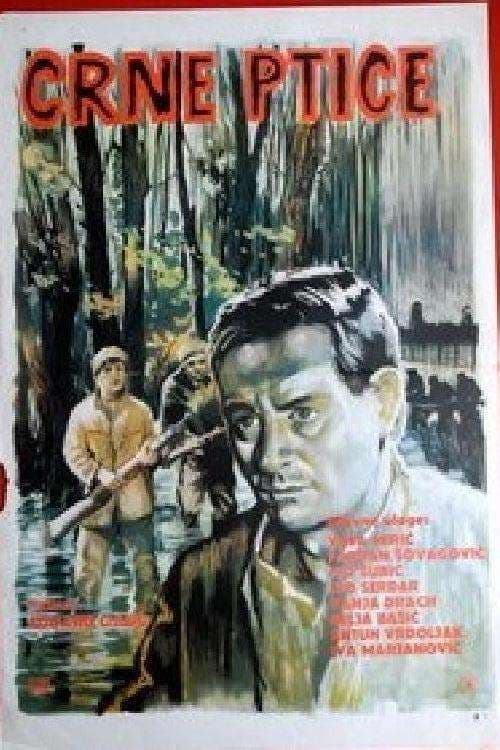
Black Birds
1967
No user ratings available yet
Representation score: 5.0 out of 10

Representation Score
Good
1987
Director
Miomir 'Miki' Stamenković
Runtime
91 minutes
Average Rating
No ratings yetNew Showbiz Analysis
The Escape is a historical war drama that prioritizes the collective struggle of oppressed groups over individual identity politics. Its strength lies in its depiction of ethnic solidarity and the humanistic resistance against a totalitarian regime. However, the film adheres to traditional wartime clichés, which may sideline gendered ability to act and LGBTQ+ representation. It relies on the physical suffering of prisoners to underscore the brutality of the occupation, which may limit the depth of disability representation. Ultimately, the film functions as a study of systemic victimization, centering the ability to act of diverse Balkan populations against a dominant aggressor, even if it lacks modern markers of identity-based inclusion.
Category Breakdown
The film does not explicitly feature LGBTQ+ characters or non-traditional gender identities. The narrative focuses on immediate survival within a wartime camp setting.
The film includes ordinary people, but the main characters tend to be male. The camp setting disrupts typical gender roles, though specific female character arcs are not detailed.
Set in Niš, the film requires a diverse cast representing various Balkan ethnicities. The story centers on non-German populations resisting a single occupying force through ethnic unity.
The film criticizes the dehumanizing Nazi regime and centralized state power. It emphasizes humanistic ethics and the struggle for survival over rigid institutional frameworks.
Physical trauma and disability are implied by the harsh conditions of the camp. However, these elements may serve more as indicators of suffering than as sources of character's ability to drive the story.
Present on Screen
Limited or Absent
Official Synopsis
The tragic story of a group of prisoners, ordinary people, were detained in the camp at Lager in Naise at the beginning of WWII, after that mighty torture and abuse by the Germans, will try escape from the camp. A few succeeded.
1967
1987

1963

1945

1992

2001
1946

2010
No reviews yet. Be the first to share your thoughts on this movie!
Use the rating form above to leave a star rating and optional review.