Troubling Love
1995
No user ratings available yet
Representation score: 7.0 out of 10
Representation Score
Fair
1965
Director
Luchino Visconti
Runtime
100 minutes
Average Rating
No ratings yetNew Showbiz Analysis
Visconti’s work excels as an intellectual disruption of social hierarchies. By deconstructing the decay of the bourgeoisie and the cruelty of fascism, the film provides a sophisticated critique of systemic corruption and class interests. However, the film lacks modern demographic breadth. It remains tethered to the traditional romantic and racial frameworks of 1960s European cinema, offering little representation for LGBTQ+ identities or non-European ethnicities. Ultimately, the film prioritizes the deconstruction of power and moral relativism over the inclusion of diverse social identities, making it a study of political architecture rather than demographic variety.
Category Breakdown
The film adheres to traditional romantic structures of its time, focusing on wartime political and romantic entanglements without depicting non-binary gender identities or same-sex relationships.
The narrative centers the experiences of women within a patriarchal, militaristic environment, exploring how they navigate and are affected by male-dominated power structures during times of political upheaval.
The film primarily focuses on European identities and class struggles, lacking a diverse cast that includes non-European ethnicities. It does examine the tension between occupiers and the occupied.
Visconti uses the setting to critique the corruption of authority and the decadence of the ruling class. The film aligns with anti-fascist sentiments and challenges traditional Western institutions.
There are no prominent depictions of physical or neurodivergent disabilities used as central plot devices in this work.
Present on Screen
Limited or Absent
Official Synopsis
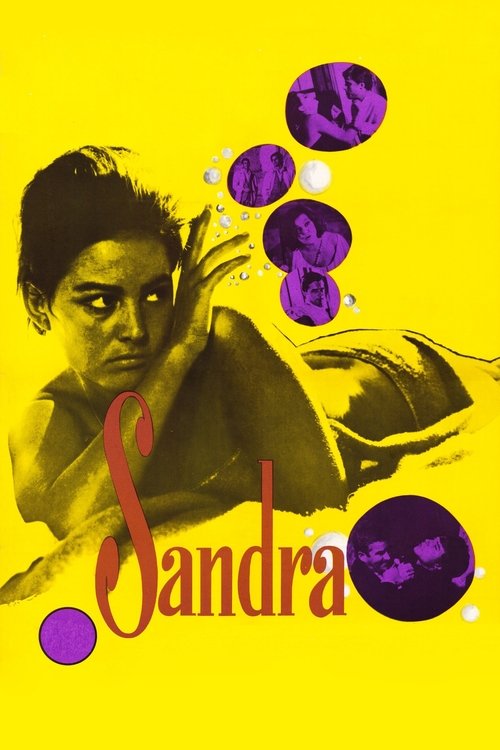
Sandra returns to her hometown to take care of family business, but childhood memories and secrets soon overcome her.
1995

1960
1975

2000
1969
1954
1945
1964
No reviews yet. Be the first to share your thoughts on this movie!
Use the rating form above to leave a star rating and optional review.