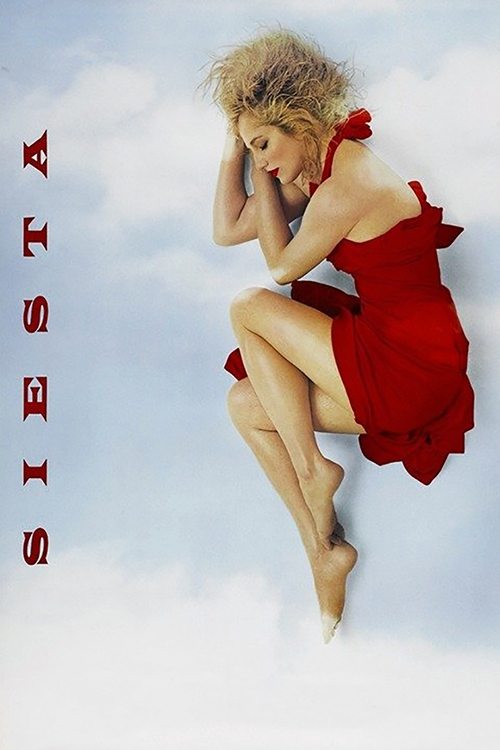
Siesta
1987
No user ratings available yet
Representation score: 6.8 out of 10

Representation Score
Excellent
2008
UnratedDirector
Lucrecia Martel
Runtime
87 minutes
Average Rating
No ratings yetNew Showbiz Analysis
Lucrecia Martel’s drama excels as a sophisticated critique of class and privilege. By focusing on a woman's psychological fragmentation, the film dismantles traditional patriarchal narratives and examines how social status can insulate individuals from accountability. However, the film's scope is limited. It operates within a highly stratified socioeconomic environment that emphasizes class conflict over explicit LGBTQ+ or racial representation. While the exploration of neurodivergence is nuanced, it primarily serves the broader critique of social issues. Ultimately, the film is a powerful examination of moral relativism and systemic corruption within the Argentine upper class, despite its lack of broader demographic diversity.
Category Breakdown
The film does not explicitly depict queer identities or roles. Instead, it focuses on the social structures of the provincial elite, which assume everyone is straight.
The narrative centers on a woman's psychological experience, prioritizing her internal journey over male-driven plot elements. It challenges traditional storytelling by presenting a psychologically detached protagonist.
The story highlights the tension between the landed elite and the working-class laborers. It uses class distinctions to reflect post-colonial power dynamics and social hierarchies.
The film provides a critical look at capitalist privilege and Western institutions. It shows how social standing can shield individuals from ethical scrutiny.
Neurodivergence is explored through dissociative amnesia and psychological fragmentation. This condition shapes the film's pacing and themes.
Present on Screen
Limited or Absent
Official Synopsis
After running into something with her car, Vero experiences a particular psychological state. She realizes she might have killed someone.
1987

2001
2002

2005

2020

2007

2017

2013
No reviews yet. Be the first to share your thoughts on this movie!
Use the rating form above to leave a star rating and optional review.