
Girl with Hyacinths
1950
No user ratings available yet
Diversity score: 4.4 out of 10
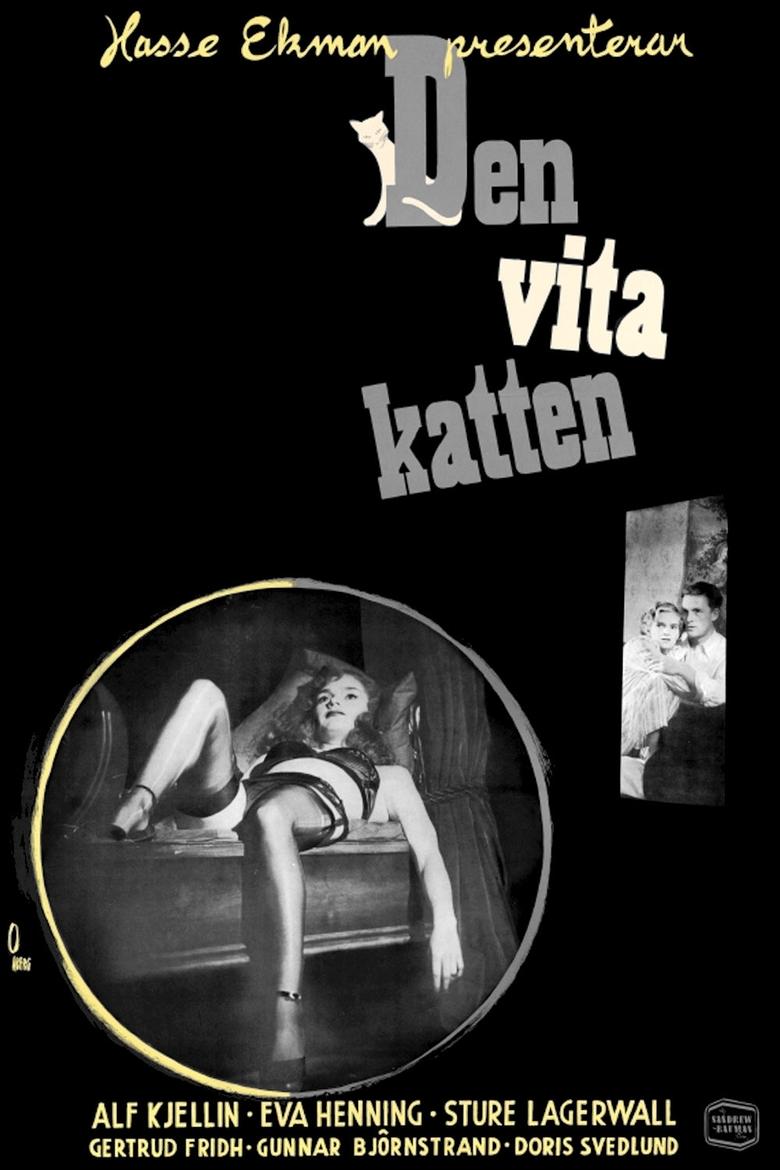
1950
Director
Hasse Ekman
Runtime
93 minutes
Average Rating
No ratings yetSynopsis
A man comes to Stockholm's central station. He does not know who he is or where he has been. He has some keys and a phone number. Perhaps he is the escaped sex maniac the police are searching for. A waitress at a café tries to help him.
Overall Score
Limited
Category Breakdown
LGBTQ+ Representation
The film lacks any documented LGBTQ+ characters or non-heteronormative narratives. It adheres to the social constraints of 1950s Swedish cinema.
Gender Representation
A café waitress provides agency by attempting to assist the protagonist. However, the story remains centered on a male character's crisis.
Racial & Ethnic Diversity
The setting and era suggest a largely homogeneous cast. There is no indication of racial blending or non-white majority casting.
Religious & Cultural Diversity
The narrative focuses on identity and social suspicion within established legal orders. It does not critique Western institutions or promote rebellion.
Disability Representation
The protagonist's amnesia serves as a mystery plot device. There is no nuanced exploration of cognitive disability or neurodivergence.
Strengths
Areas for Improvement
AI Analysis
The film is a product of its historical era, focusing on psychological mystery and existential ambiguity. While Hasse Ekman's direction prioritizes internal complexity, the narrative lacks modern intersectional markers. The story centers on a male protagonist's identity crisis, which limits the scope of diverse perspectives. Representation is largely confined to the demographic norms of post-war Sweden. The characters and themes reflect the social and legal structures of the time rather than challenging them. Ultimately, the film functions as a traditional mid-century drama. It lacks intentional subversion of social hierarchies or diverse character portrayals.
1950
1945
1951

1938

2013
1966

1984
2018

1969

1950
1964
2009
No reviews yet. Be the first to share your thoughts on this movie!
Use the rating form above to leave a star rating and optional review.