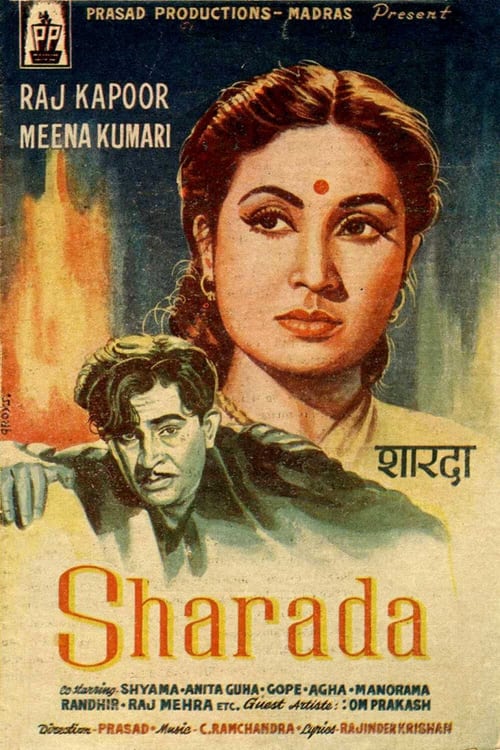
Sharada
1957
No user ratings available yet
Representation score: 1.0 out of 10
Representation Score
Minimal
1974
Director
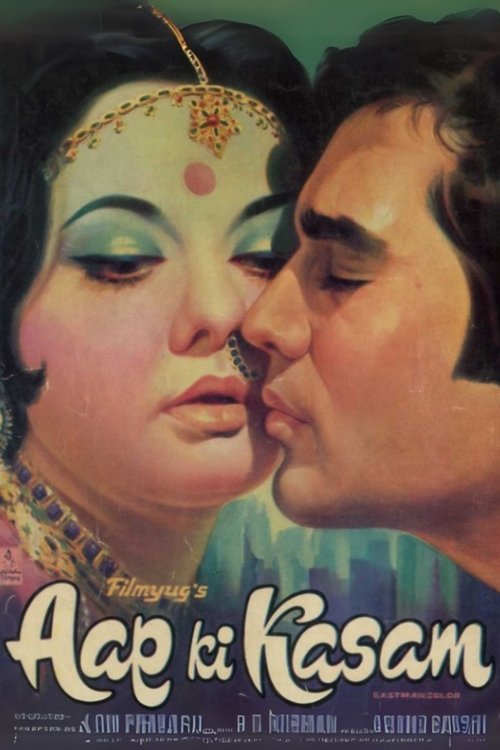
J. Om Prakash
Runtime
153 minutes
Average Rating
No ratings yetNew Showbiz Analysis
Aap Ki Kasam is a quintessential traditionalist melodrama that prioritizes established social hierarchies. The film centers its emotional weight on the male protagonist's journey of redemption and suffering, reinforcing conservative values. While the film offers cultural authenticity through its South Asian cast and period-accurate social setting, it lacks progressive representation. The narrative architecture upholds conventional gender roles and domestic norms without challenging them. Ultimately, the film serves to reinforce the sanctity of the traditional family unit, operating within the rigid moral and romantic frameworks characteristic of 1970s commercial cinema.
Category Breakdown
The film follows a strictly heterosexual structure, focusing entirely on the romantic and marital bonds between the male and female leads, with no depiction of same-sex intimacy.
The narrative reinforces traditional patriarchal hierarchies. While the female lead shows resilience through single motherhood, her role remains largely reactive to the male protagonist's emotional decisions and volatility.
The production features a predominantly South Asian cast, providing a culturally authentic reflection of the era's social fabric without Western-centric casting biases.
The story emphasizes family honor and the sanctity of marriage, promoting a singular moral code centered on social cohesion and traditional domestic institutions.
There are no prominent depictions of visible or invisible disabilities. No characters with disabilities drive the narrative or play a significant role in driving the story.
Present on Screen
Limited or Absent
Official Synopsis
Rajesh Khanna plays Mumtaz's jealous husband who begins to doubt her fidelity when his best friend Sanjeev Kumar enters their lives. She is unable to convince Rajesh Khanna that she loves only him. He leaves her, not knowing that she is pregnant with his child. Depressed and confused, Rajesh Khanna becomes a homeless wanderer, while Mumtaz remarries to provide a secure home for her child. Many years later, the truth dawns on him as he turns up, a broken man, at his own daughter's wedding.
1957

1989
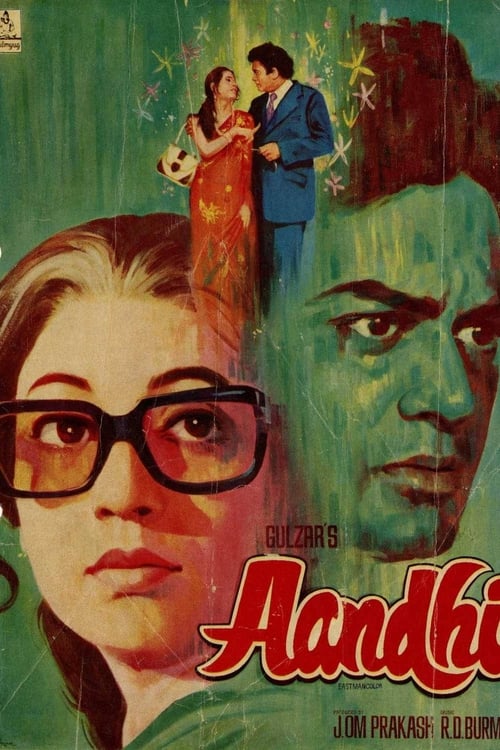
1975
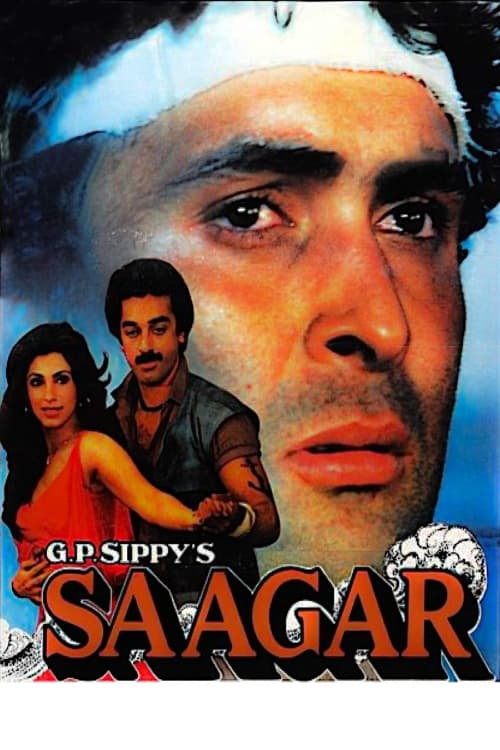
1985
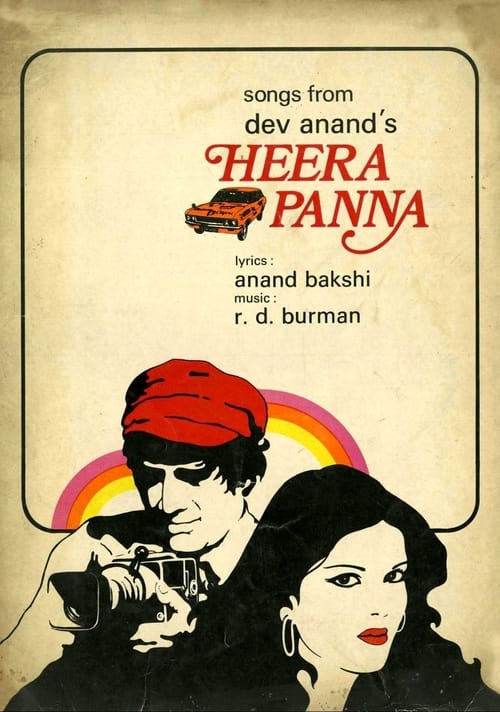
1973
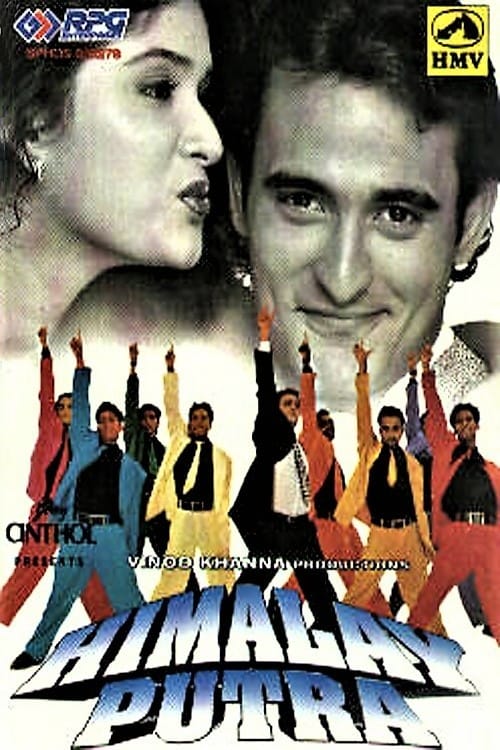
1997
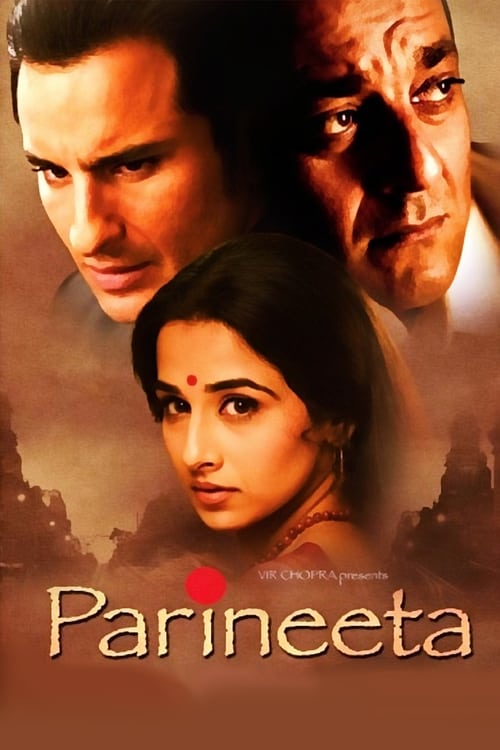
2005
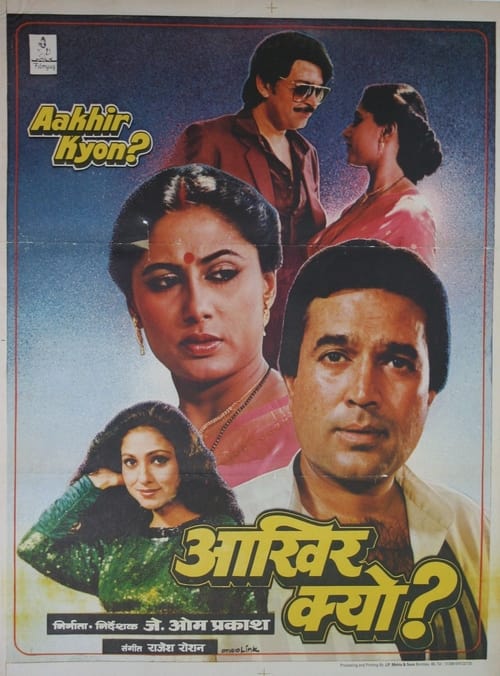
1985
No reviews yet. Be the first to share your thoughts on this movie!
Use the rating form above to leave a star rating and optional review.