Saagar
1985
No user ratings available yet
Representation score: 2.7 out of 10
Representation Score
Minimal
1983
Director
Rahul Rawail
Runtime
155 minutes
Average Rating
No ratings yetNew Showbiz Analysis
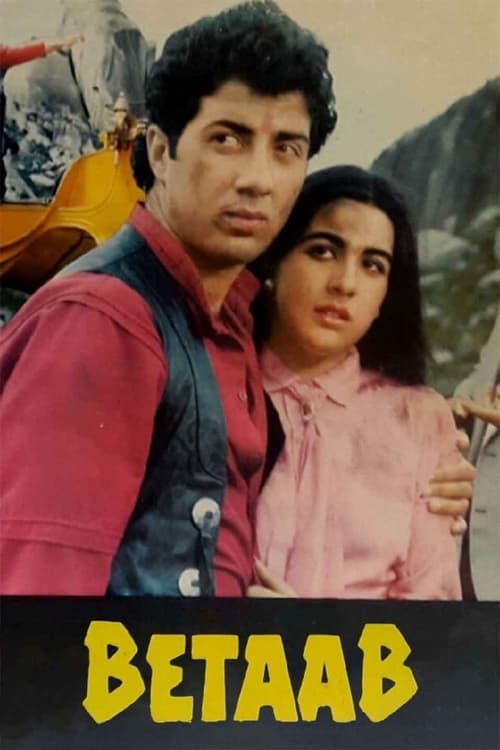
Betaab is a quintessential 1980s romantic melodrama that operates within established genre conventions. The film relies on traditional social structures to drive its emotional conflict, focusing on the tension between individual desire and familial duty. The narrative architecture is designed to reinforce rather than disrupt conventional social expectations. It lacks representation for LGBTQ+ identities and presents a patriarchal power dynamic where the male lead acts as the primary negotiator of conflict. While the film offers an authentic look at the regional socioeconomic landscape of North India, it remains culturally homogeneous, functioning as a standard period piece that upholds the status quo of its era.
Category Breakdown
The film adheres to a strictly straight-centered framework, with no evidence of queer subtext or non-cisgender identities.
The story reinforces traditional gender hierarchies, positioning the male protagonist as the main driver of action. Despite the female lead being spirited, her character arc ultimately conforms to domestic expectations.
The cast predominantly features a culturally homogeneous North Indian demographic, authentically depicting the region’s socioeconomic landscape without challenging ethnic norms.
The narrative emphasizes the sanctity of the family unit and parental authority, promoting traditional values of honor and duty without questioning these social institutions.
There are no visible or invisible disabilities central to the narrative or used as significant plot devices.
Present on Screen
Limited or Absent
Official Synopsis
Sunny owns a small livestock farm and lives a poor but happy life style with his mother, Sumitra. They wanted the farm to become up to date, so Sumitra decides to make a move abroad in order to bring new equipments for the farm, leaving Sunny in the care of the farm. One day while distributing eggs and chickens, Sunny reaches up with Roma Singh and both can get into the pettiest quarrels and they soon begins to fight and Sunny offers Roma to rebuild his farm house as a part of her punishment. Both soon realize that they are childhood lovers and attempts to rebuild that love once again, both are successful in doing so and plans to get married but there love is opposed by Roma's dad, the wealthy and famous businessman, Sardar Dinesh Singh Girji, who will do anything in his power to prevent Roma and Sunny from meeting leave alone marriage.
1985

1989
2005
1998
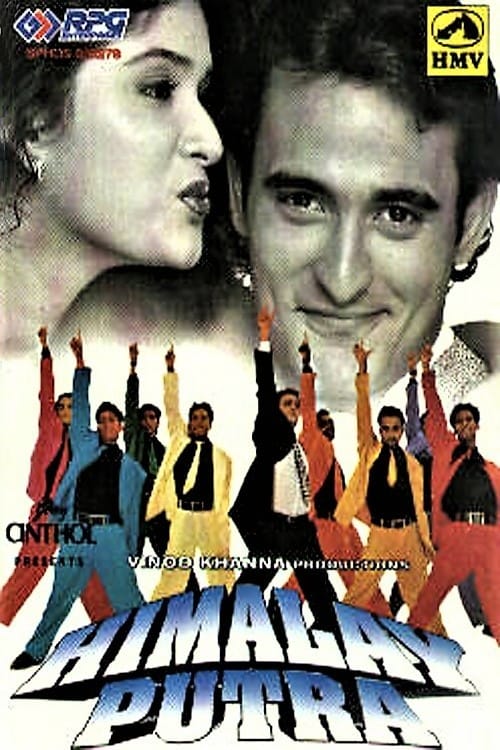
1997
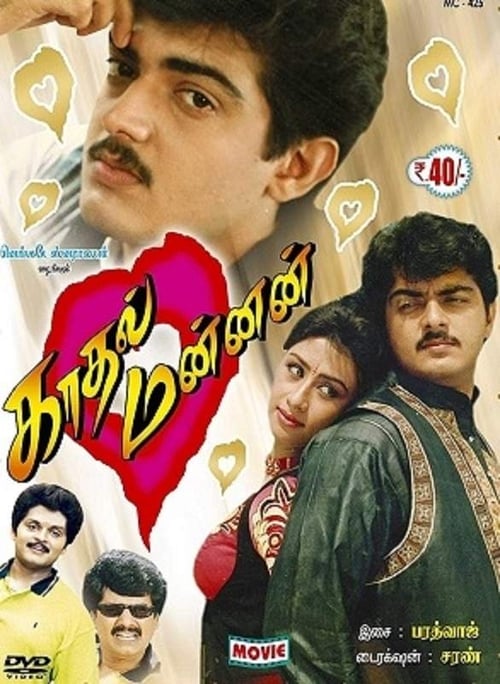
1998
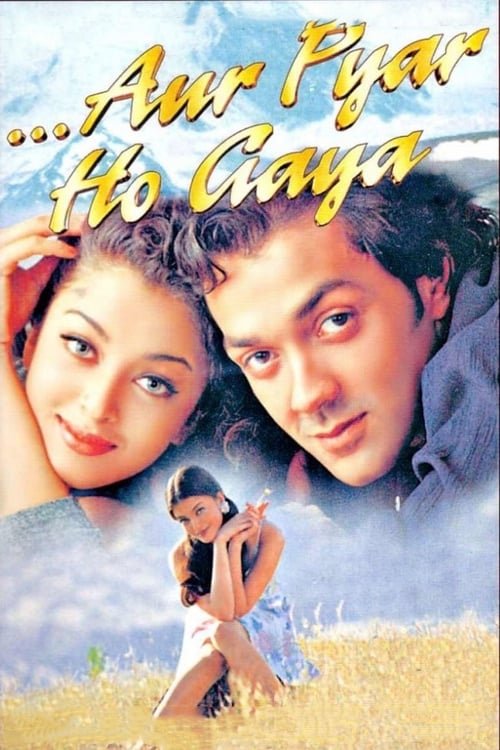
1997
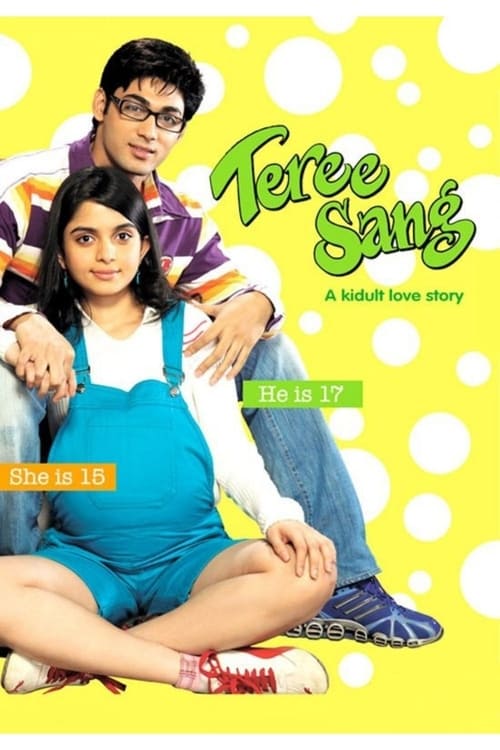
2009
No reviews yet. Be the first to share your thoughts on this movie!
Use the rating form above to leave a star rating and optional review.