Vivah
2006
No user ratings available yet
Representation score: 1.8 out of 10
Representation Score
Good
2011
Director
Rituparno Ghosh
Runtime
146 minutes
Average Rating
No ratings yetNew Showbiz Analysis
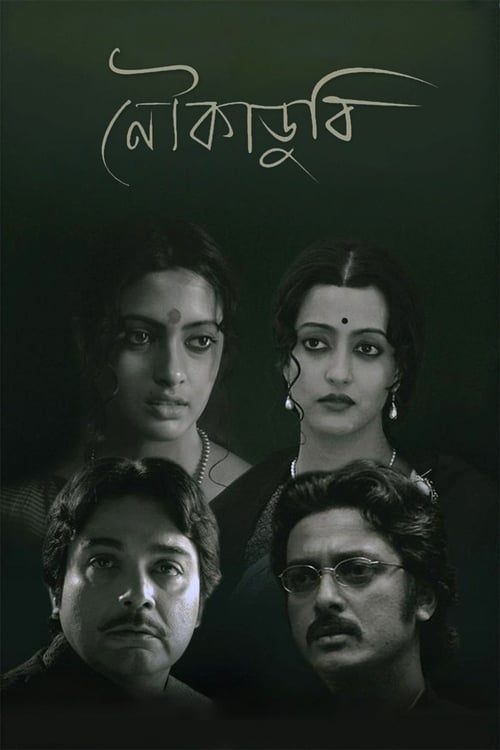
Rituparno Ghosh’s *Noukadubi* is a sophisticated period drama that uses a narrative of mistaken identity to deconstruct early 20th-century Bengali social mores. It moves beyond simple romance to examine how societal pressures affect individual ability to act. The film's primary strength lies in its subversion of traditional gender hierarchies. By centering the female gaze, the story prioritizes the emotional intelligence and autonomy of its women, even within a restrictive patriarchal framework. While the film excels in cultural authenticity and gendered depth, it remains limited by its focus on heterosexual marriage dynamics. It does not explore LGBTQ+ identities or address disability within its central plot.
Category Breakdown
The film does not include explicit LGBTQ+ characters or explore non-straight relationships. It touches on identity through mistaken identity but does not use a narrative focused on queer experiences.
Women in the film play a significant role in driving the story, showing resilience and emotional intelligence. They navigate psychological challenges actively rather than being passive victims of patriarchal structures.
This regional Bengali production provides a culturally authentic perspective that avoids global stereotypes. It emphasizes indigenous cultural specifics and local social structures.
The film critiques rigid social norms and institutional morality. It portrays the breakdown of traditional family units as a complex human situation rather than a moral failing.
There are no prominent depictions of physical or neurodivergent disabilities that serve as central narrative drivers in this work.
Present on Screen
Limited or Absent
Official Synopsis
Rameshchandra Chaudhry, a lawyer by profession, is in love with Hemnalini, and is displeased when he finds that his father wants him to marry Sushilla, the daughter of a widow. He initially refuses despite of his father disowning him, but changes his mind when the bride's mother pleads with him, and gets married without even seeing, leave alone getting to know his bride. After the marriage, they board a boat which overturns after a storm, and they end up being the only survivors. Unable to get Hemnalini out of his mind, he refuses to be intimate with his bride. On talking with her gradually over the next few months, it slowly sinks in that she is not Sushilla but Kamla - the bride of another male! The question remains: what can he do under these circumstances, and what impact will this have on Kamla - who has traditionally accepted him as her husband.
2006
2005

2014
2011

2009
2012

2000

2000
No reviews yet. Be the first to share your thoughts on this movie!
Use the rating form above to leave a star rating and optional review.