
Maine Pyar Kiya
1989
No user ratings available yet
Representation score: 0.9 out of 10

Representation Score
Minimal
2002
Not RatedDirector
K. S. Adiyaman
Runtime
174 minutes
Average Rating
No ratings yetNew Showbiz Analysis
The film operates as a traditional domestic drama that upholds established social hierarchies. It centers on the emotional impact of infidelity and the restoration of marital stability, rather than exploring systemic inequalities or identity politics. While the narrative offers a culturally specific perspective on urban Indian life, it maintains a conservative social outlook. The creative direction prioritizes preserving the status quo and the sanctity of the family unit. Ultimately, the work upholds traditional storytelling methods and does not offer much in terms of progressive representation or social critique.
Category Breakdown
The film adheres to a traditional heterosexual storyline and does not include any representation of LGBTQ+ identities or perspectives that question traditional relationships.
Gender roles in the film follow conventional patterns, emphasizing women's emotional vulnerabilities and marital roles. Women's identities are largely defined through their relationships with men.
The cast is predominantly of one ethnicity, reflecting a specific urban Indian cultural context. The film avoids using external racial stereotypes and instead focuses on culturally specific representation.
The story emphasizes the importance of marriage and the stability of the nuclear family. It supports traditional social institutions without challenging them.
There are no main characters with visible or invisible disabilities. Disability is not used as a narrative or plot device.
Present on Screen
Limited or Absent
Official Synopsis
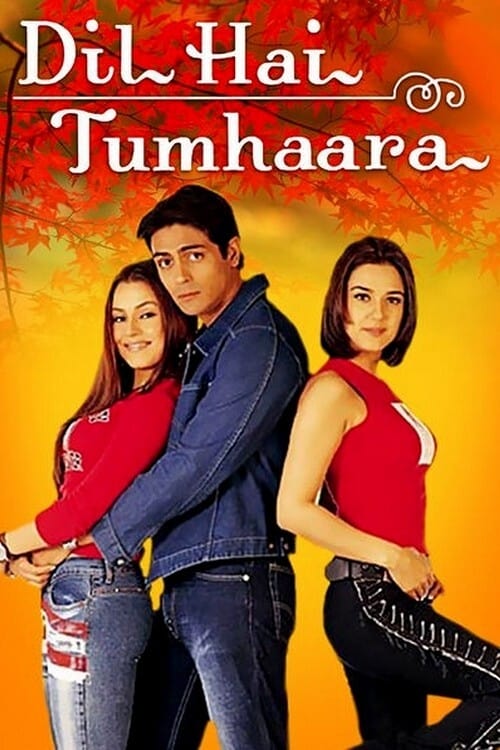
Radha and Suraj have been friends since childhood. Gopal has been in love with Radha ever since they spent a few years together as kids. Years later, Gopal's guardian proposes to Radha a marriage with Gopal, and she accepts.
1989
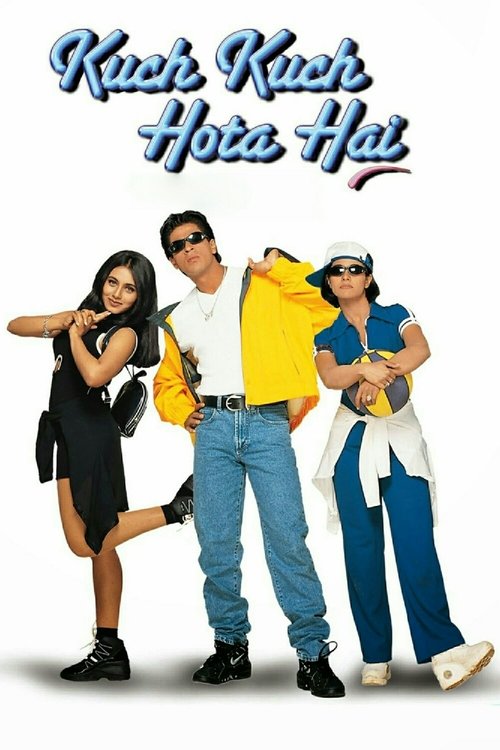
1998
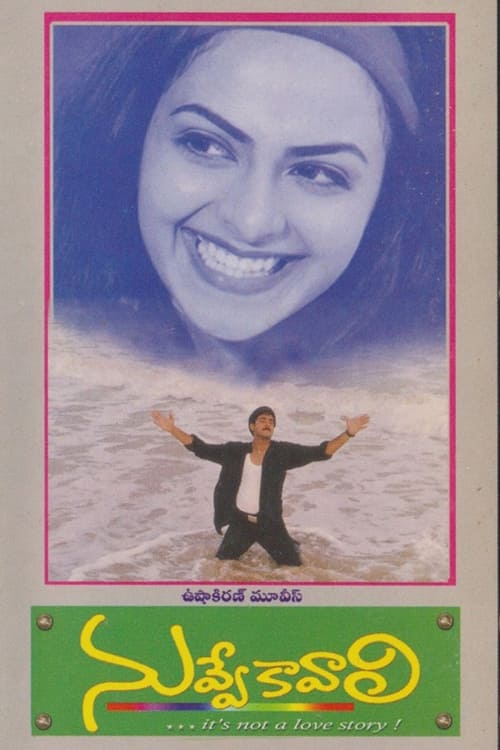
2000
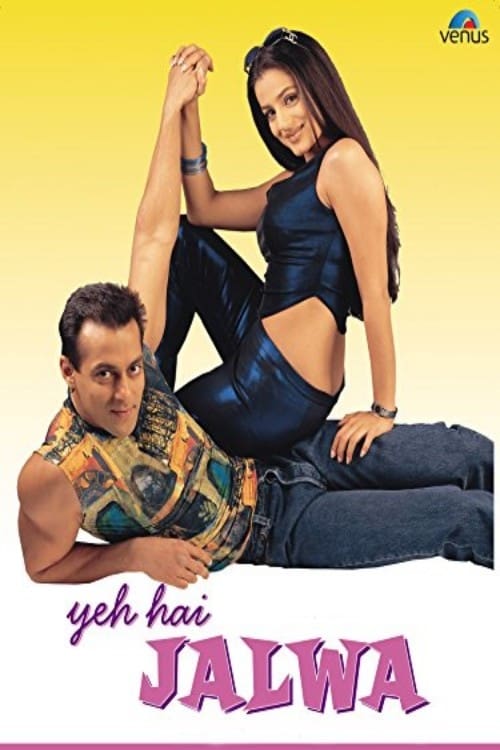
2002
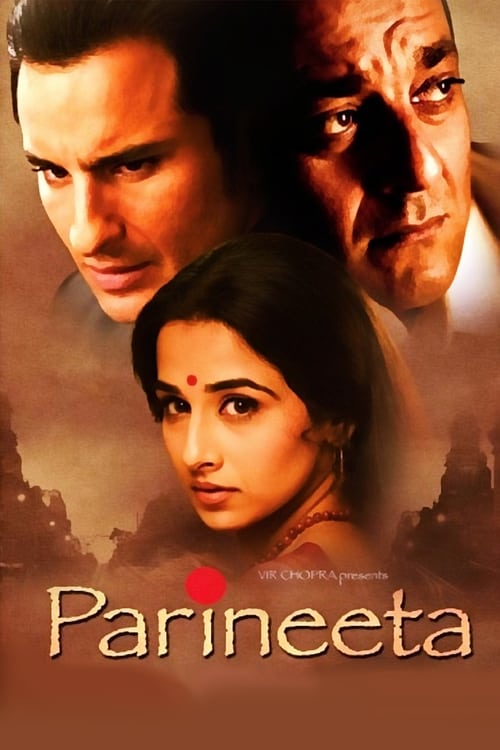
2005
2002

2006

2017
No reviews yet. Be the first to share your thoughts on this movie!
Use the rating form above to leave a star rating and optional review.