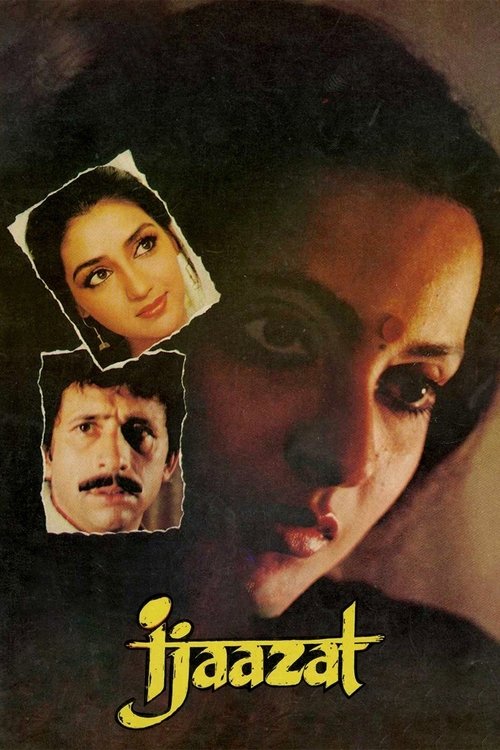
Ijaazat
1987
No user ratings available yet
Representation score: 7.7 out of 10
Representation Score
Good
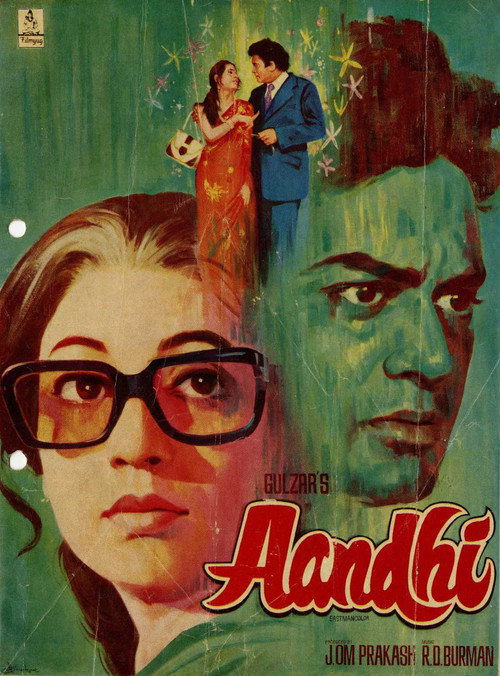
1975
Director
Gulzar
Runtime
133 minutes
Average Rating
No ratings yetNew Showbiz Analysis
Gulzar’s *Aandhi* is a sophisticated deconstruction of mid-20th-century domestic archetypes. By centering a high-ranking female politician, the film disrupts conventional expectations of female passivity and explores the tension between public and private identity. The film excels in subverting traditional gender hierarchies and presenting a non-traditional protagonist who navigates systemic pressures with significant autonomy, particularly regarding motherhood and marriage. While the film lacks LGBTQ+ representation, it offers a nuanced, authentic portrayal of a woman navigating a male-dominated political sphere.
Category Breakdown
The film does not include any LGBTQ+ characters or narratives. Social and romantic dynamics are strictly heterosexual.
Aarti Devi challenges traditional gender roles through her political authority and intellect. She subverts the submissive wife stereotype by focusing on her professional ambitions.
The film features a culturally authentic South Asian cast. It centers Indian identity within a high-stakes political setting, avoiding a Western-centric perspective.
The narrative critiques rigid moral expectations and the sanctity of the nuclear family. It explores the systemic pressures faced by women navigating social stigma.
Aarti Devi’s blindness is portrayed with dignity and ability to act. Her disability is part of her complex personality, not just a reason for pity.
Present on Screen
Limited or Absent
Official Synopsis
J.K. is a hotel Manager in a scenic location in India. One day he gallantly comes to the rescue of a drunk daughter, Aarti, of a politician, and chooses to be discrete about it. When she recovers, she and he fall in love; get married in a small marriage ceremony, have a daughter, and thereafter differences arise to such an extent that they decide to separate. Years pass J.K. and Aarti meet again when she is an established politician, both are still attracted to each other, but she does not want her name to be tarnished and stigmatized as a "separated" woman.
1987

1989
1985

2000
1974
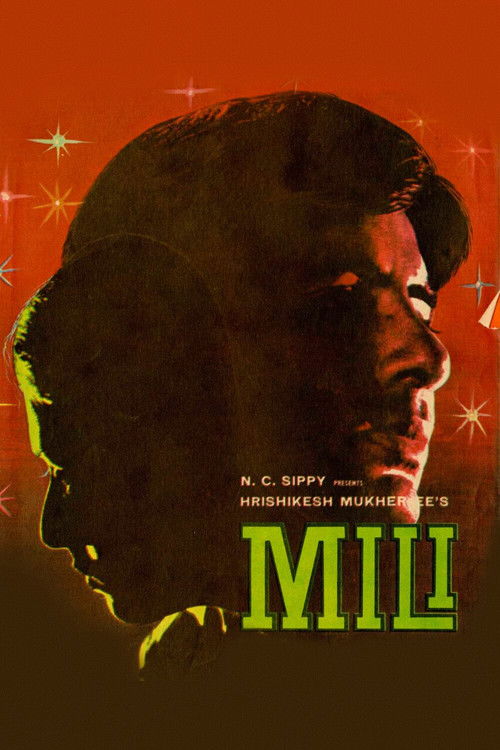
1975
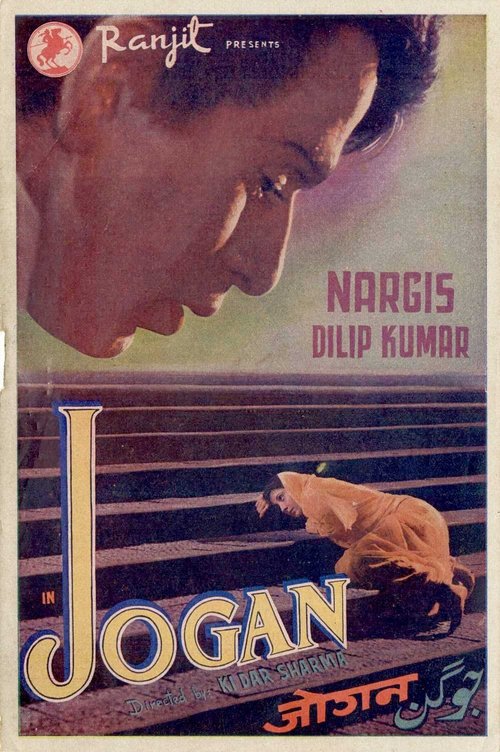
1950

1965
No reviews yet. Be the first to share your thoughts on this movie!
Use the rating form above to leave a star rating and optional review.