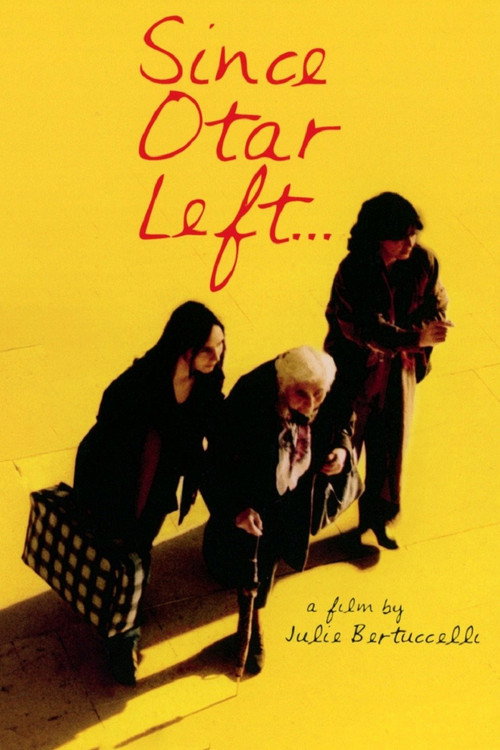
Since Otar Left
2003
No user ratings available yet
Diversity score: 5.5 out of 10
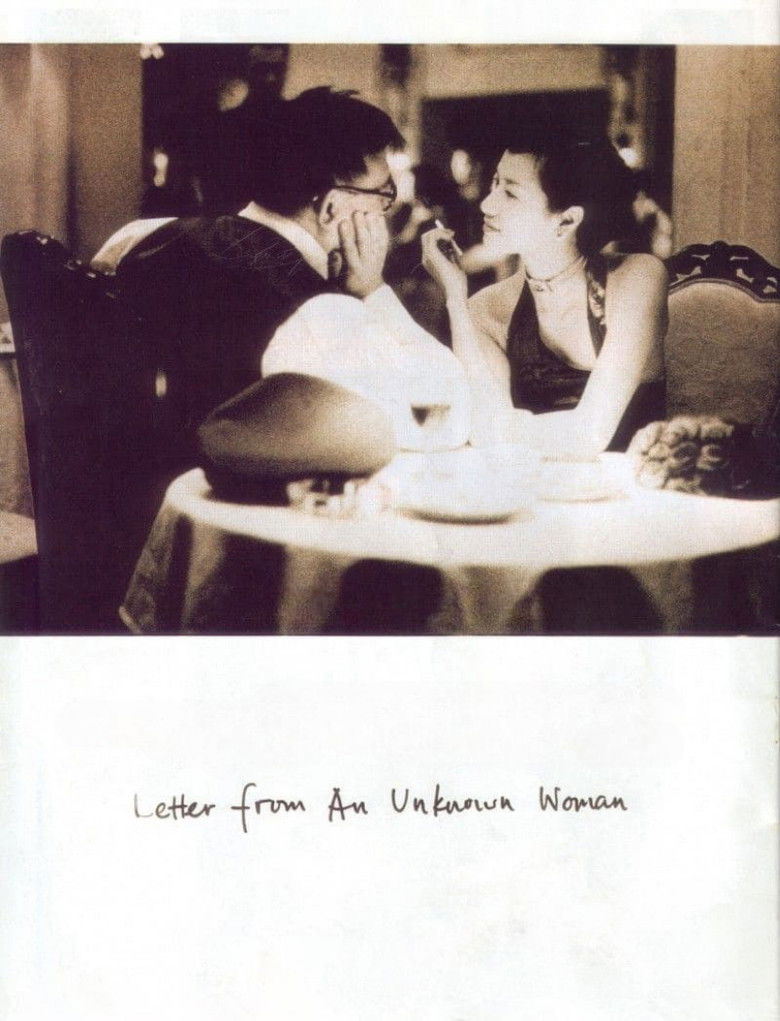
2004
Director
Xu Jinglei
Runtime
90 minutes
Average Rating
No ratings yetSynopsis
Peking, 1948. A winter night. A man returns home to find a letter awaiting him written by a woman before her death. in the letter she tells him the story of her love for him -a life-long passion that has not diminished over time, but one that he has never known. her story spans 18 years from the moment she -then a 13 year-old girl- sets her eyes on her new neighbor. she tells their brief but passionate love in her youthi the hardship she goes through raising their child alone, and their final encounter after the war, during which the man fails tor ecognize her and one which leaves her in despair. Now having lost her son, she no longer has the courage to live on. Only in a letter is she capable of telling him everything, for the first and the last time. shaken by the letter, the man searches his memory for the nameless woman.
Overall Score
Fair
Category Breakdown
LGBTQ+ Representation
The film follows a strictly heteronormative romantic trajectory. There is no evidence of queer subtext or non-cisnormative identities present in the narrative.
Gender Representation
The story centers female agency by prioritizing the protagonist's emotional depth over the male lead. The man acts primarily as a passive recipient of her life story.
Racial & Ethnic Diversity
An all-Chinese cast provides an authentic, non-Western perspective. The film avoids the Western gaze by focusing on a specific historical Chinese epoch and social stratification.
Religious & Cultural Diversity
The narrative explores how traditional social structures cause personal hardship and isolation. It critiques how societal roles can erase an individual's identity.
Disability Representation
There are no depictions of physical or neurodivergent disabilities. The characters' primary struggles are emotional and socioeconomic.
Strengths
Areas for Improvement
AI Analysis
The film succeeds as a character study that reclaims a woman's history within a restrictive historical framework. By centering the protagonist's interiority, it subverts traditional patriarchal storytelling tropes. However, the film lacks diversity in terms of LGBTQ+ and disability representation. It remains focused on a singular, heteronormative romantic experience. Ultimately, the work provides a culturally cohesive and authentic portrayal of Chinese identity, offering a sophisticated look at how memory and unrequited love shape a life.
2003
1963

2004

2013

1998
2014
2002

2000
1999

1988

2013
1997
No reviews yet. Be the first to share your thoughts on this movie!
Use the rating form above to leave a star rating and optional review.