
Not One Less
1999
No user ratings available yet
Representation score: 4.3 out of 10
Representation Score
Fair
1998
RDirector
Walter Salles
Runtime
111 minutes
Average Rating
No ratings yetNew Showbiz Analysis
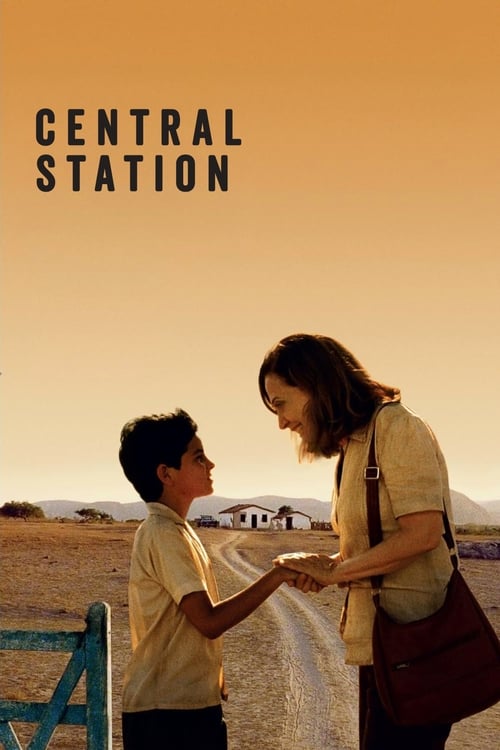
Central Station is a sophisticated look at the human condition within the socio-political context of the Global South. It disrupts Western storytelling by focusing on the realities of life in Brazil's interior regions. The film's strength lies in its post-colonial perspective and its rejection of traditional gender roles and institutional stability. By centering on a resilient female protagonist and the rural poor, it offers a nuanced critique of systemic neglect. While the film lacks LGBTQ+ and disability representation, its commitment to authentic cultural and racial portrayals provides a powerful, humanistic narrative that challenges conventional hero clichés.
Category Breakdown
The film does not include any LGBTQ+ characters. The focus remains on the relationship between the two main characters.
Dora challenges traditional gender roles by being cynical and emotionally detached rather than nurturing. Her character development emphasizes personal autonomy over societal expectations.
The film highlights characters of color by setting the story in Brazil's countryside. It shifts away from Eurocentric views to examine the lasting impacts of colonialism.
The story depicts social institutions as ineffective or nonexistent for vulnerable groups. It favors situational ethics and personal connections over strict religious rules.
The film does not specifically depict physical or neurodivergent disabilities as key plot elements. Instead, it focuses on socioeconomic struggles.
Present on Screen
Limited or Absent
Official Synopsis
An emotional journey of a former school teacher, who writes letters for illiterate people, and a young boy, whose mother has just died, as they search for the father he never knew.
1999

1998

2001

1999
2017
1995

1999

1989
No reviews yet. Be the first to share your thoughts on this movie!
Use the rating form above to leave a star rating and optional review.