
The Dreamed Path
2017
No user ratings available yet
Diversity score: 4.8 out of 10
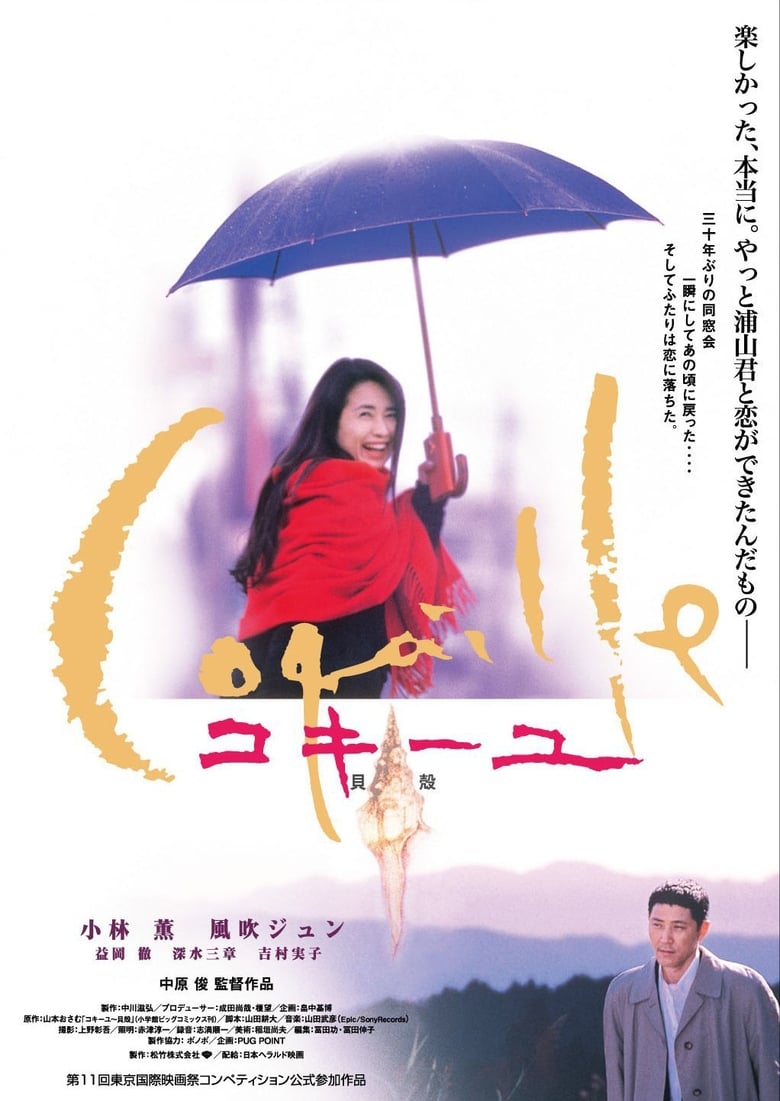
1999
Director
Shun Nakahara
Runtime
95 minutes
Average Rating
No ratings yetSynopsis
Thirty years after graduation, a man and a woman meet again at an alumni reunion. They are no longer young, but the moment she sees him, memories of her first love are revived. Her love for him has never faded even though she married another man and bore his child. What has kept her going is a white shell the boy gave her and a phrase of Jean Cocteau's poem, "My ears are shells, fondly hearing the sound of the sea..." She gets a divorce, returns to her hometown and opens a bar named "Coquille," which means "shell." Without their knowing, an unexpected turn of events awaits the two...
Overall Score
Fair
Category Breakdown
LGBTQ+ Representation
The film centers on a heteronormative romantic connection between a man and a woman. There is no evidence of queer subtext or non-cisnormative identities within the narrative.
Gender Representation
The protagonist demonstrates significant agency by choosing divorce and establishing her own business. This journey from domesticity to independence challenges traditional submissive female archetypes.
Racial & Ethnic Diversity
As a Japanese production, the cast and setting are culturally homogeneous. The film reflects its specific social context without pursuing intersectional racial blending.
Religious & Cultural Diversity
The story explores the deconstruction of the traditional family unit through divorce. However, it focuses on poetic sentimentality rather than systemic critiques of religion or the state.
Disability Representation
There is no mention of characters with visible or invisible disabilities in the narrative.
Strengths
Areas for Improvement
AI Analysis
Coquille is a character-driven drama that prioritizes intimate emotional landscapes over sociopolitical commentary. It succeeds in portraying a woman's journey toward personal autonomy and self-actualization through her decision to leave a conventional marriage. However, the film remains anchored in traditional romantic and heteronormative frameworks. While it avoids harmful tropes, it lacks the intersectional complexity or systemic critique necessary to move beyond a standard romantic trajectory. The production is culturally specific to Japan, focusing on individual nostalgia and personal reinvention rather than broader social or racial diversity.
2017
1985
2020

2017
2000

2020
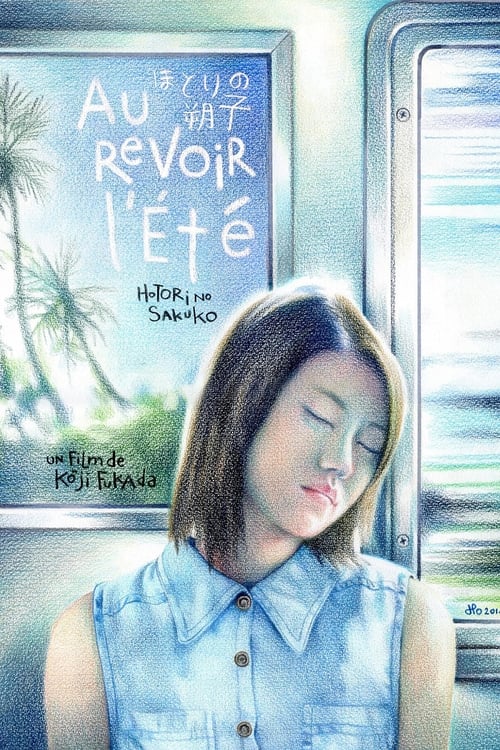
2013
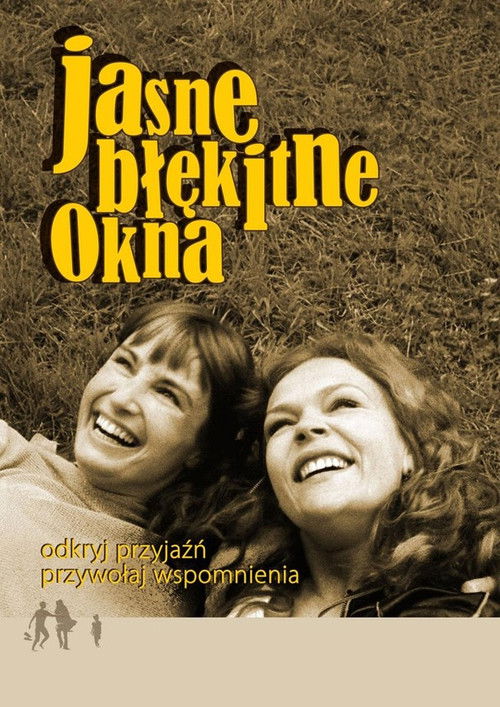
2007

2006
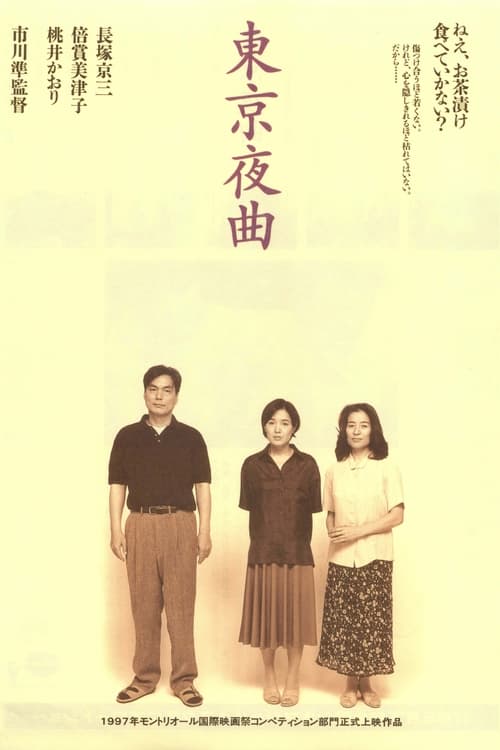
1997

1986

2001
No reviews yet. Be the first to share your thoughts on this movie!
Use the rating form above to leave a star rating and optional review.