
Daddy Nostalgia
1990
No user ratings available yet
Diversity score: 2.7 out of 10

1988
Director
Francis Mankiewicz
Runtime
101 minutes
Average Rating
No ratings yetSynopsis
A quiet painter, separated from his wife for a year, receives a suitcase in the mail from his mother, whom he hasn't seen since infancy. He believes she abandoned him to his wealthy, paternal grandparents. The suitcase contains mementos and a diary, a long letter to him, written over the years, with details of her youth, her first job as a pianist at a cinema, the coming of talkies, her marriage, and how he came to live with his grandparents. As he reads through the materials and her story comes to life, his son Antoine, who's about 10 or 12, tries to break through his father's silence and sorrow by taking matters into his own hands.
Overall Score
Limited
Category Breakdown
LGBTQ+ Representation
The film focuses on a traditional nuclear family structure. There is no evidence of non-cisnormative identities or narratives that critique heteronormativity.
Gender Representation
The female protagonist gains significant agency through her diary and letters. Her professional history as a cinema pianist drives the emotional development of the story.
Racial & Ethnic Diversity
The narrative appears to be a localized, period-specific drama. It focuses on a singular family lineage, suggesting a potentially homogeneous demographic setting.
Religious & Cultural Diversity
The story explores the deconstruction of the ideal family unit through personal history. It prioritizes subjective truth over a moralistic view of motherhood.
Disability Representation
There is no information regarding the depiction of physical, sensory, or neurodivergent disabilities within the film.
Strengths
Areas for Improvement
AI Analysis
The Revolving Doors is a contemplative psychological study centered on memory and maternal abandonment. It uses a dual-timeline structure to connect a painter's present grief with his mother's historical recollections. While the film provides meaningful agency to its female lead by centering her lived experience, it operates within a traditional dramatic framework. The narrative lacks intersectional complexity or systemic critique. Ultimately, the film prioritizes intimate, subjective experiences of loss and lineage over broader social or diverse representation.
1990

2003

1990

1995
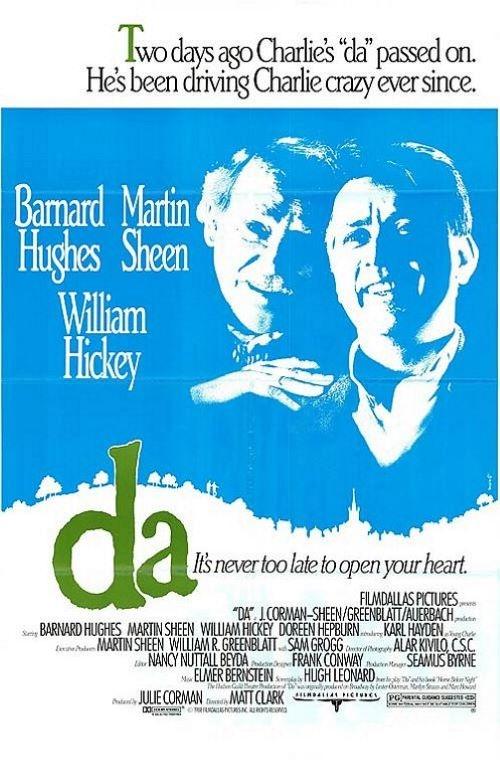
1988

2003
1997
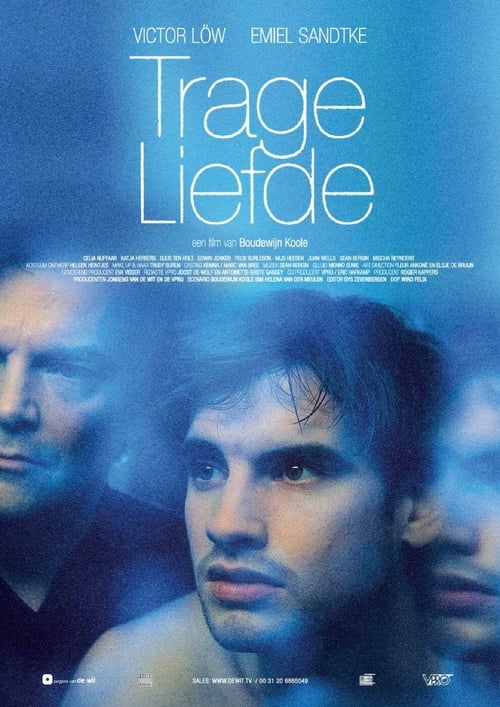
2007
1990

1991

1953
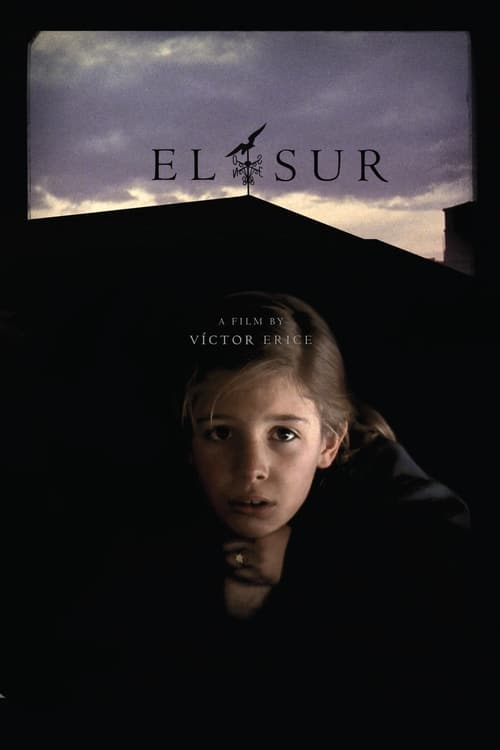
1983
No reviews yet. Be the first to share your thoughts on this movie!
Use the rating form above to leave a star rating and optional review.