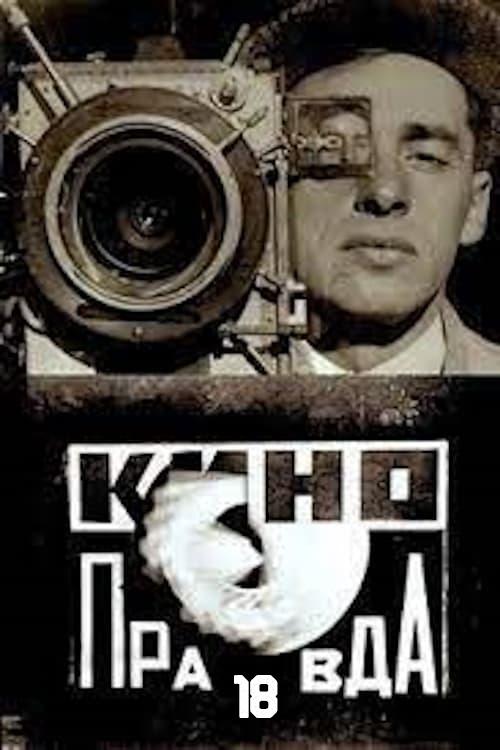
Kino-Pravda No. 18: A Movie-Camera Race Over 299 Metres and 14 Minutes and 50 Seconds in the Direction of Soviet Reality
1924
No user ratings available yet
Representation score: 4.3 out of 10
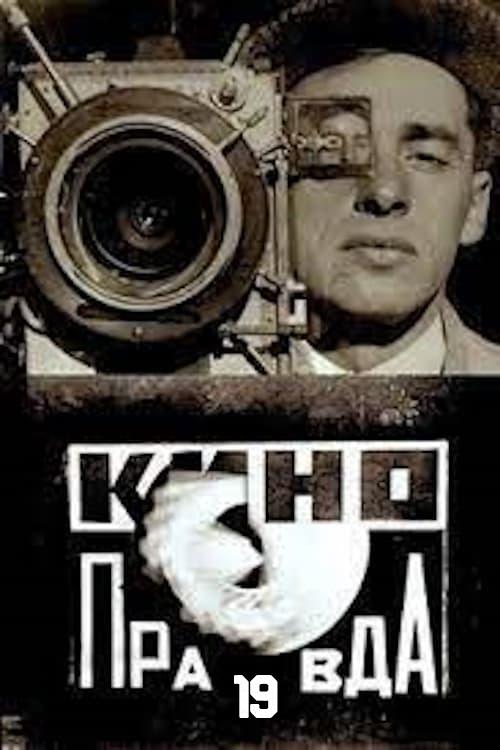
Representation Score
Limited
1924
Director
Dziga Vertov
Runtime
17 minutes
Average Rating
No ratings yetNew Showbiz Analysis
Dziga Vertov’s newsreel serves as a tool for social reconstruction, prioritizing collective reality over individualist storytelling. It challenges Western capitalist hierarchies by celebrating state-led, secular, and industrial advancement. While the film makes strides in depicting the emancipation of women and a unified proletariat, it remains limited by its focus on physical vigor and industrial utility, which excludes depictions of disability and non-binary gender identities. Ultimately, the work is a powerful example of ideological filmmaking that replaces traditional narrative clichés with a celebration of the machine-eye and the collective worker.
Category Breakdown
The film focuses on a strictly materialist and industrial framework, with no depiction of non-binary gender identities or same-sex relationships.
The film highlights the emancipation of women in the USSR by showcasing peasant and worker women, but often frames them based on their utility to the state rather than as individuals.
The newsreel captures a diverse working class, emphasizing the integration of various regional identities into a cohesive Soviet identity. It prioritizes class unity over specific ethnic distinctions.
The film celebrates the triumph of the collective and secular, materialist philosophy. It portrays the Soviet technological machine as a liberating force, with no significant religious influence.
The film emphasizes the physical vigor of workers and explorers, with no depiction of disability as a lived experience or plot device.
Present on Screen
Limited or Absent
Official Synopsis
Dziga Vertov-directed Soviet newsreel covering: Connecting city and country, south and north, summer and winter, peasant women and worker women / Emancipation of women in the USSR
1924

1929

1922

1927
1923

1922

1922
1924
No reviews yet. Be the first to share your thoughts on this movie!
Use the rating form above to leave a star rating and optional review.