
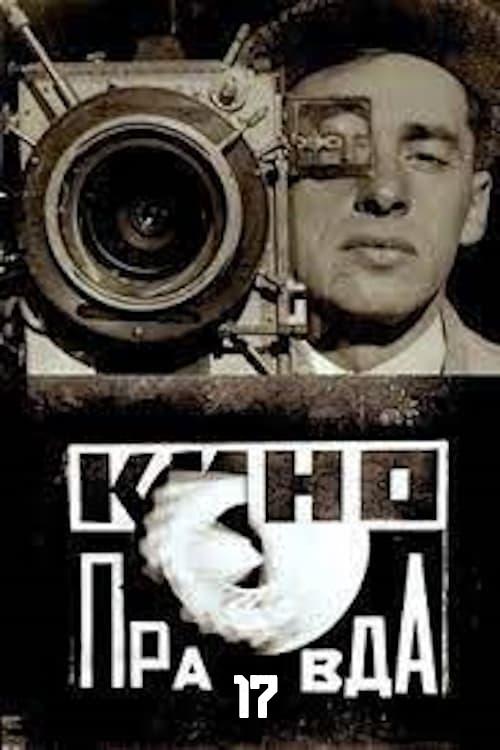
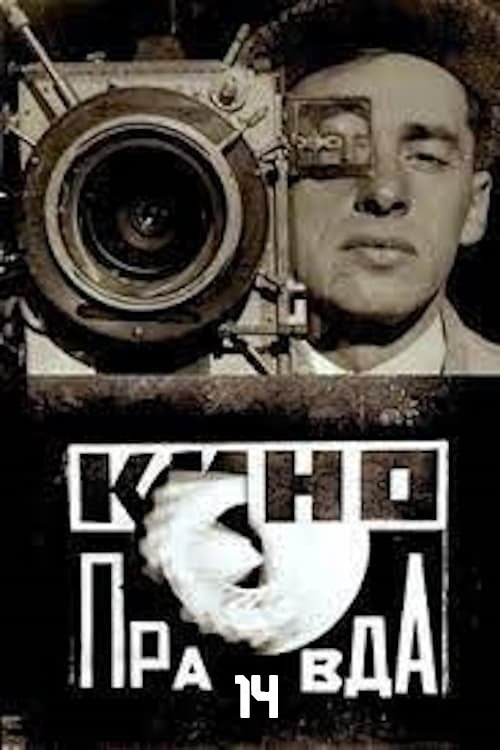
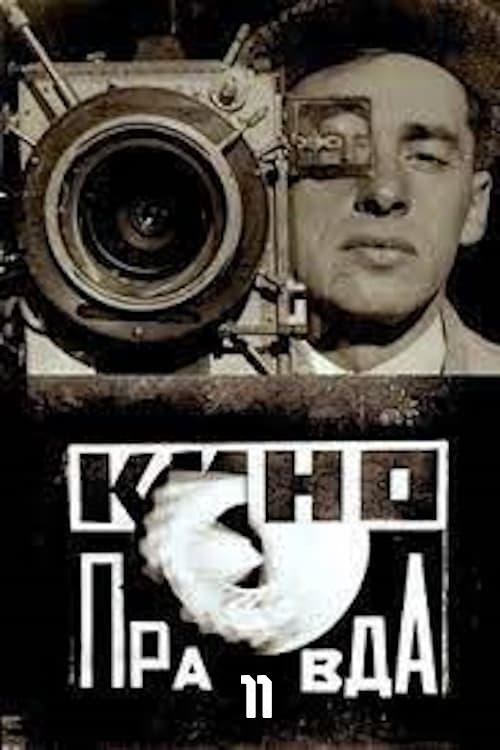
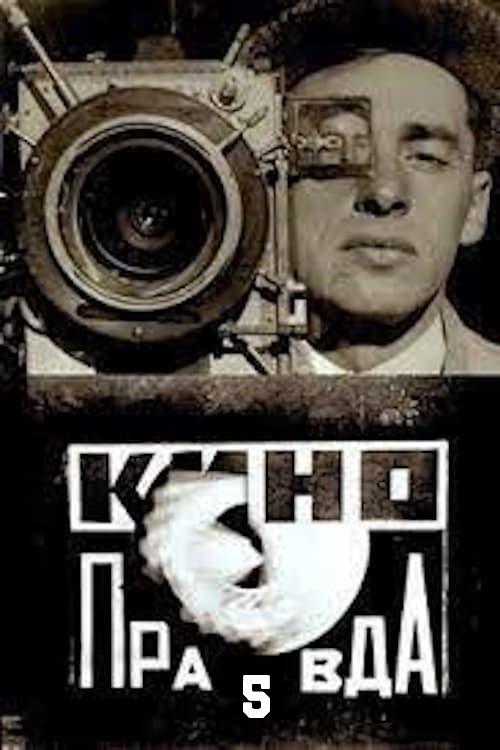
Kino-Pravda No. 4
1922
No user ratings available yet
Representation score: 4.5 out of 10
Representation Score
Fair
1923
Director
Dziga Vertov
Runtime
16 minutes
Average Rating
No ratings yetNew Showbiz Analysis
Dziga Vertov’s newsreel critiques early 20th-century power structures by focusing on the collective identity of industrial workers. It avoids individual identity politics to highlight the dismantling of capitalist and religious institutions. The film excels in depicting a secular, multi-ethnic proletariat, challenging traditional hierarchies. However, it lacks representation for LGBTQ+ identities and does not address disability. The focus remains on class-based, industrial, and secular themes.
Category Breakdown
The newsreel focuses on the collective movement of workers and industrial machinery. There are no LGBTQ+ characters or stories about non-straight relationships.
The film challenges traditional gender roles by highlighting women in industrial and agricultural settings. Women are shown as active participants in the workforce, not in passive roles.
The montage showcases the diverse ethnic makeup of early Soviet society. The visual language emphasizes class unity, presenting a multi-ethnic working class as the driving force of progress.
The film prioritizes secularism and technological advancement over religious influence. It portrays religious structures as remnants of the past, celebrating an anti-capitalist, industrial perspective.
There is no specific mention of individuals with visible or invisible disabilities in the available documentary footage.
Present on Screen
Limited or Absent
Official Synopsis
Dziga Vertov-directed Soviet newsreel covering: Hunger and harvest / Alliance between city and country / Agricultural and home industries exhibition: To the exhibition, construction work and preparations, exhibits, map of the exhibition, visitors
1922

1929
1923

1927

1922
1922
1922
1923
No reviews yet. Be the first to share your thoughts on this movie!
Use the rating form above to leave a star rating and optional review.