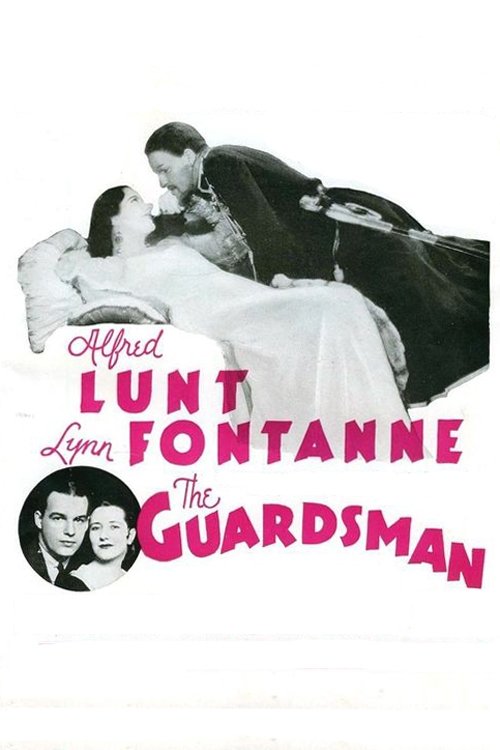
The Guardsman
1931
No user ratings available yet
Diversity score: 2.2 out of 10
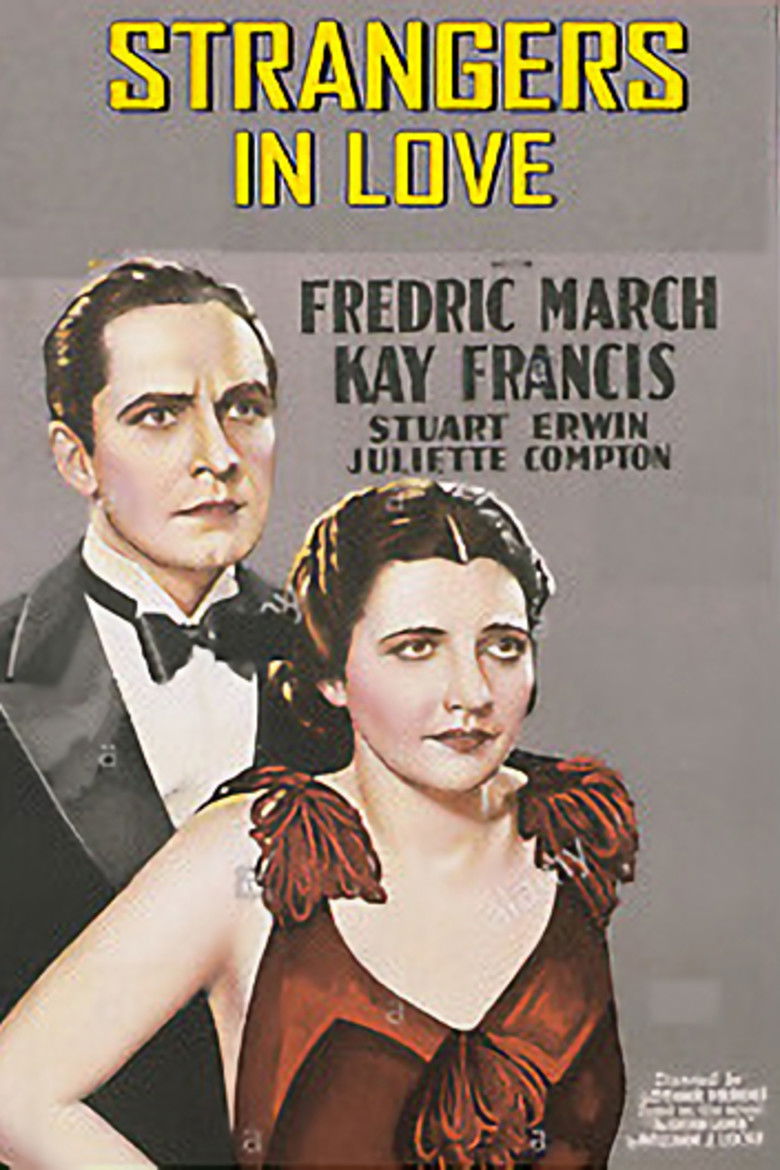
1932
Director
Lothar Mendes
Runtime
76 minutes
Average Rating
No ratings yetSynopsis
Fredric March essays a dual role in this story of a ne'er-do-well who impersonates his brother when the latter dies.
Overall Score
Minimal
Category Breakdown
LGBTQ+ Representation
The film adheres to the heteronormative social structures of the early 1930s. There is no evidence of non-cisnormative identities or same-sex intimacy.
Gender Representation
Gender dynamics remain tethered to established social etiquettes of the period. The narrative does not actively seek to subvert masculine authority or elevate female intellect.
Racial & Ethnic Diversity
The production focuses on a homogeneous, upper-class European social stratum. The cast and setting reinforce a narrow, Anglo-centric view of high society.
Religious & Cultural Diversity
This escapist comedy prioritizes the preservation of traditional class structures. It lacks critiques of Western institutions, capitalism, or religious frameworks.
Disability Representation
Characters are presented as able-bodied participants in a high-society environment. There is no engagement with neurodivergence or physical disability.
Strengths
Areas for Improvement
AI Analysis
Strangers in Love is a product of its historical context, functioning as a traditionalist narrative that reinforces existing social hierarchies. The film focuses on escapist tropes of class and identity within a highly standardized, early 20th-century framework. The story centers on a dual-role performance by Fredric March, yet the narrative lacks intentionality regarding intersectional representation. It operates within the conventional social norms of the era without challenging them. Ultimately, the film presents an idealized, homogeneous version of high society that excludes diverse ethnic, cultural, or identity-based perspectives.
1931
1919

1942

1938
1926
1943

1937
1929

1935
1936

1934
1937
No reviews yet. Be the first to share your thoughts on this movie!
Use the rating form above to leave a star rating and optional review.