Oh, Baby!
1926
No user ratings available yet
Diversity score: 2.8 out of 10
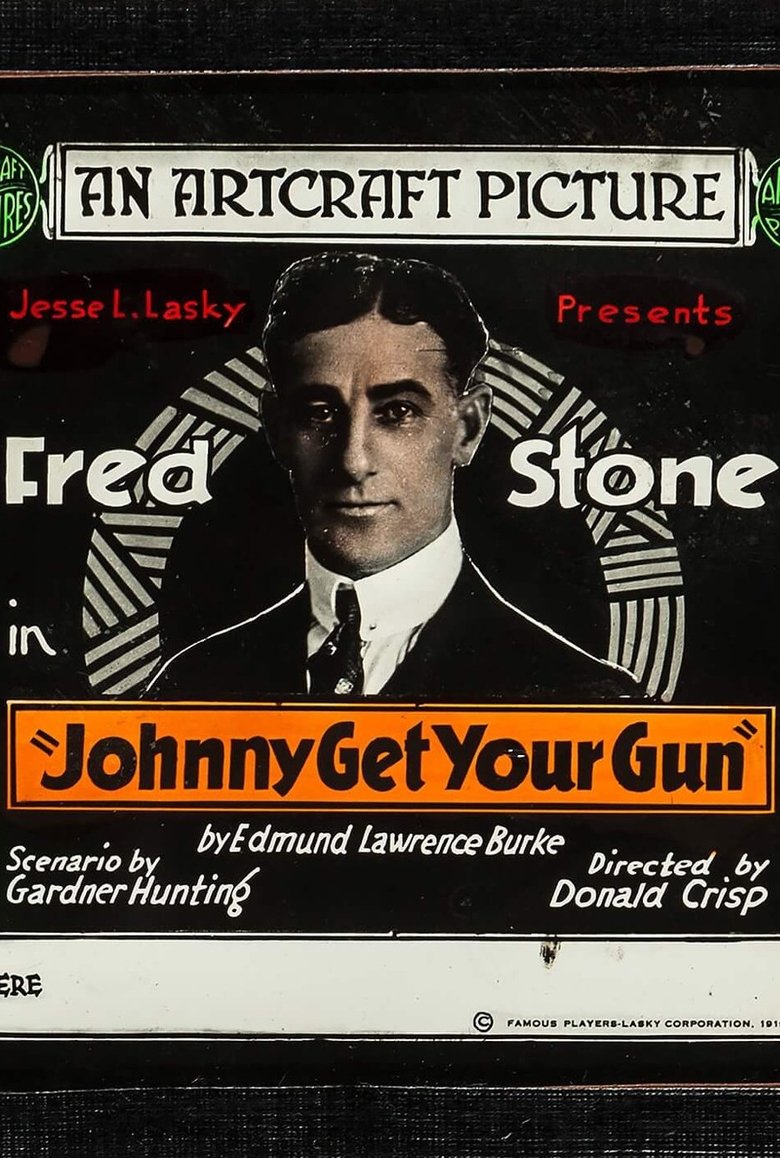
1919
ApprovedDirector
Donald Crisp
Runtime
50 minutes
Average Rating
No ratings yetSynopsis
While Bill Burnham is jailed for drunkenly shooting up the town, he receives a letter saying that his father has died, his sister Janet is about to marry a worthless count, and the family fortune is in danger. Unable to leave, he convinces his friend, Johnny Wiggins, a motion picture cowboy, to go to his home in Palm Beach, which Bill left as a boy, and impersonate him.
Overall Score
Limited
Category Breakdown
LGBTQ+ Representation
The film adheres to the heteronormative social structures of the early 20th century. There is no evidence of non-cisnormative identities or same-sex intimacy.
Gender Representation
The narrative centers on male protagonists navigating a crisis of inheritance. Female characters like Janet serve primarily as plot devices to drive the story forward.
Racial & Ethnic Diversity
The setting and characters suggest a focus on Western, upper-class social dynamics. There is no indication of a diverse or non-Anglo-Saxon cast.
Religious & Cultural Diversity
Themes revolve around traditional Western values like lineage and family fortune. The comedy stems from disrupting social norms through impersonation rather than deconstructing them.
Disability Representation
There are no visible or invisible disabilities portrayed. No characters are identified as having neurodivergent traits or physical impairments.
Strengths
Areas for Improvement
AI Analysis
Johnny Get Your Gun is a product of its era, functioning as a traditional early-century comedy. The plot prioritizes established social hierarchies and conventional narrative tropes over any attempt to subvert the status quo. The story relies heavily on patriarchal structures, focusing on male impersonation and the preservation of family wealth. This focus limits the agency of female characters and keeps the narrative within a narrow social scope. Ultimately, the film reflects the homogeneous and conservative social frameworks of 1919. It lacks the intentionality required to represent diverse identities or challenge the dominant cultural norms of the time.
1926
1920
1938
1918
1932
1937
1943
1917
1928
1920
1933
1934
No reviews yet. Be the first to share your thoughts on this movie!
Use the rating form above to leave a star rating and optional review.