
The Show Off
1926
No user ratings available yet
Representation score: 1.8 out of 10
Representation Score
Minimal
1926
PassedDirector
Harley Knoles
Runtime
70 minutes
Average Rating
No ratings yetNew Showbiz Analysis
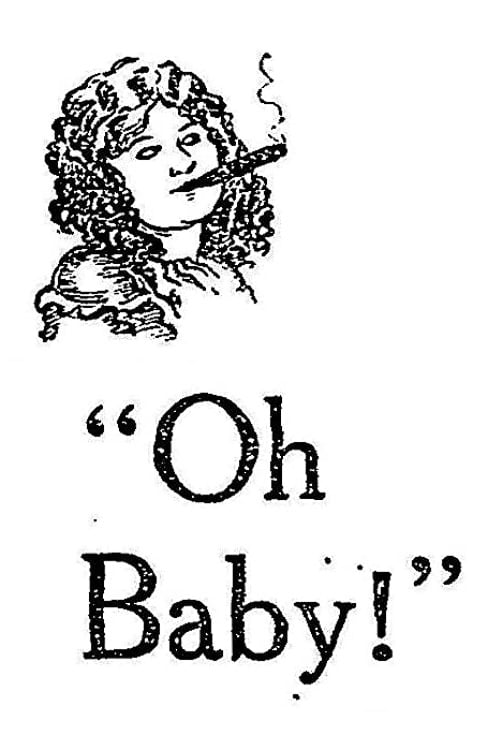
Oh, Baby! adheres to the social norms and casting practices typical of the mid-1920s. The film incorporates gender-bending for comedic effect but does not delve into identity exploration. Female characters play supporting roles in male-driven schemes, lacking independent ability to act. The homogeneous cast and adherence to traditional social frameworks keep the film within the bounds of its time. The film fails to offer a deeper, multi-layered perspective on diversity.
Category Breakdown
The film uses gender performance as a comedic device where a male character pretends to be female to deceive others, but this doesn't explore non-traditional gender identities.
Gender fluidity is shown through cross-dressing, but female characters mainly support male-driven plots, limiting their roles in the story.
The production follows the homogeneous casting standards typical of 1926. There is no evidence of diverse ethnic identities within the central plot.
The story stays within traditional social structures and uses a family myth to create tension without questioning established norms.
There is no indication of physical or cognitive disabilities being portrayed in this film.
Present on Screen
Limited or Absent
Official Synopsis
Billy, a diminutive manager of prizefighters, is priming Jim Stone for the heavyweight championship when Charley Burns (Arthur Graham?) discloses that for the past 8 years he has invented a mythical wife and daughter for the benefit of his Aunt Phoebe, who now requests a visit from them. He finally persuades Billy to pose as his daughter, Evangeline, while Miss Brennan, a magazine writer, consents to take the role of his wife.
1926
1926
1919
1934
1938
1941
1937
1942
No reviews yet. Be the first to share your thoughts on this movie!
Use the rating form above to leave a star rating and optional review.