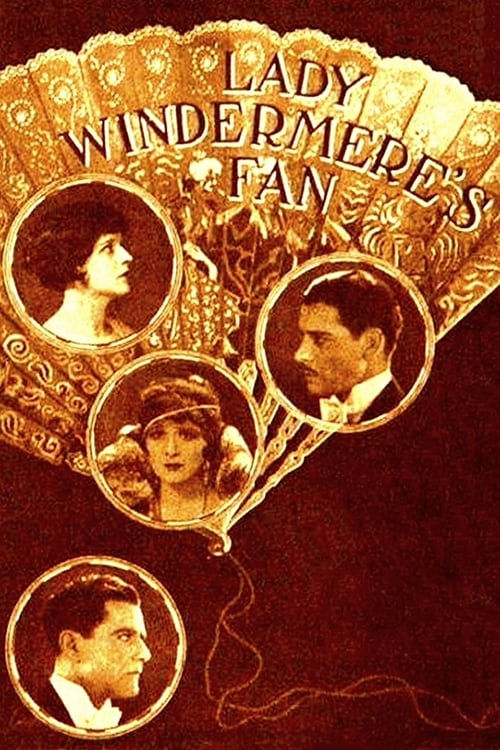
Lady Windermere's Fan
1925
No user ratings available yet
Representation score: 2.1 out of 10
Representation Score
Minimal
1931
NRDirector
Sidney Franklin
Runtime
82 minutes
Average Rating
No ratings yetNew Showbiz Analysis
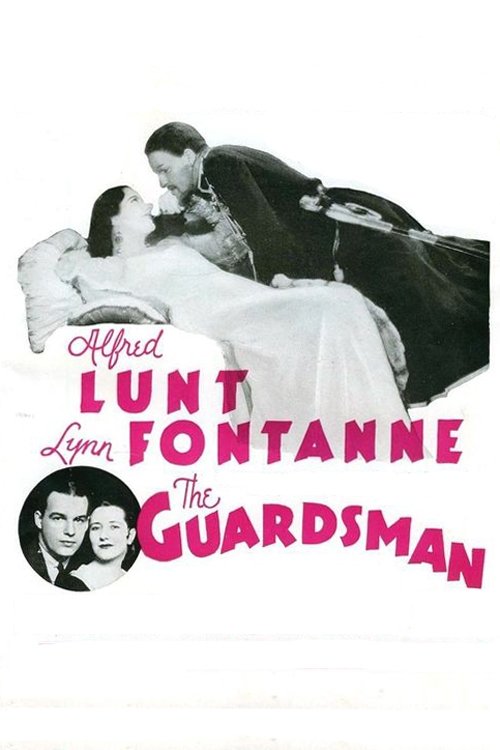
The Guardsman is a traditional studio-era comedy-drama that upholds the social and gender hierarchies of the early 1930s. The plot is driven by male suspicion and the performance of identity for romantic manipulation. While the female lead is portrayed as a professional equal to her husband, she is positioned as a target of surveillance. The use of a foreign identity serves only as a tool for deception rather than authentic cultural representation. Overall, the film adheres to standard period frameworks, emphasizing classical storytelling and domestic drama over any exploration of progressive or multi-layered themes.
Category Breakdown
The film focuses solely on a heterosexual marriage conflict. It does not include any characters with non-traditional gender identities or same-sex relationships.
The female lead shares professional success with her husband, but the plot revolves around his suspicion and manipulation. She is treated as an object of scrutiny.
The film uses a Russian military officer identity simply as a disguise for deception. It lacks authentic ethnic representation and a diverse cast, relying on stylized clichés.
The story delves into high-society domestic life and interpersonal conflicts. It avoids criticizing Western institutions, focusing instead on personal romantic struggles within a conventional social setting.
The narrative does not feature any characters with visible or invisible disabilities.
Present on Screen
Limited or Absent
Official Synopsis
An acclaimed actor and his equally acclaimed actress wife, who have been married for less than a year, are already showing signs of strain in their marriage. The actor believes his wife is capable of infidelity and sets out to prove this is so. Disguising himself as the kind of man he believes she fancies (a Russian military officer), the actor woos his wife while she believes her husband to be out of town.
1925
1937
1942
1948

1931
1922
1943

1916
No reviews yet. Be the first to share your thoughts on this movie!
Use the rating form above to leave a star rating and optional review.