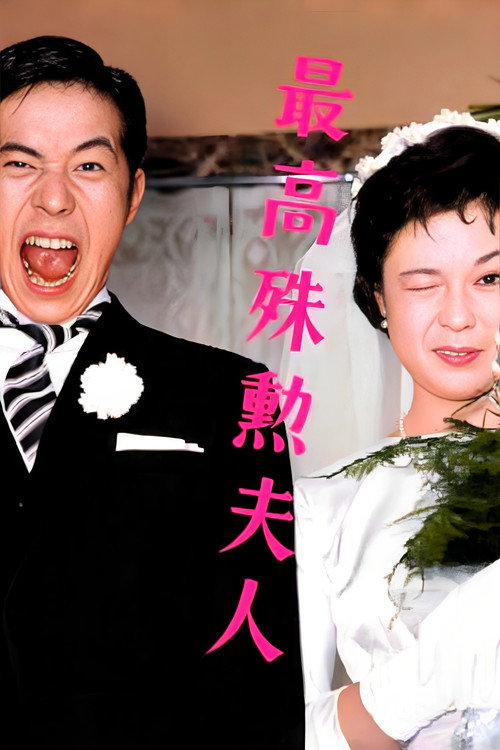
The Most Valuable Wife
1959
No user ratings available yet
Representation score: 5.5 out of 10
Representation Score
Fair
1955
Director
Yūzō Kawashima
Runtime
110 minutes
Average Rating
No ratings yetNew Showbiz Analysis
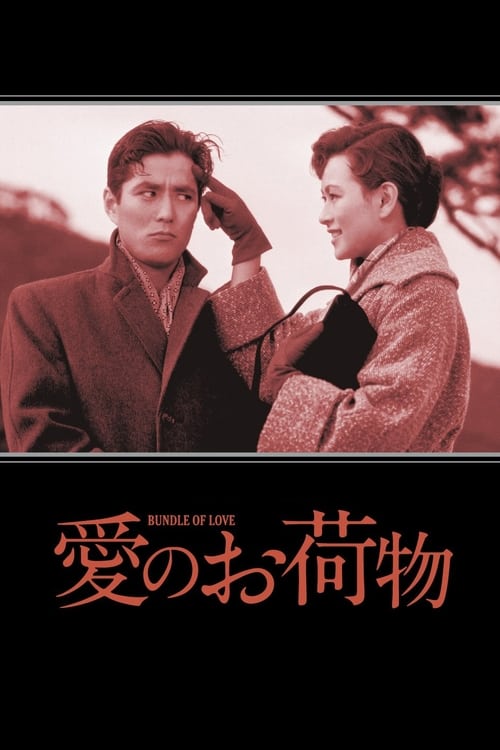
Burden of Love uses domestic irony to critique institutional authority. By centering the plot on a Minister of Health and Welfare whose family repeatedly defies his own birth control policies, the film highlights the friction between state-level social engineering and individual biological reality. While the film lacks diverse representation, it succeeds in a subtle deconstruction of the 'competent leader' cliché. The narrative tension arises from the gap between macro-level political ability to act and the unpredictable nature of domestic life. Ultimately, the film is a period-specific study of post-war social structures. It finds its strength in using a satirical lens to question the efficacy of state-mandated morality and the rigidity of bureaucratic regulation.
Category Breakdown
The film does not include any LGBTQ+ identities or queer narratives. The story focuses solely on the reproductive dynamics of a traditional family unit.
The narrative centers on the biological experiences of women to create political irony. This setup potentially challenges patriarchal authority by showing the Minister's policies failing within his own home.
The production reflects the demographic homogeneity of 1950s Japan. There is no evidence of diverse racial or ethnic representation within a global context.
The film critiques Western-style bureaucratic approaches to population control. It frames state-driven social engineering as being in direct conflict with the organic nature of family life.
There is no discernible evidence regarding the portrayal of physical or neurodivergent disabilities in the provided synopsis.
Present on Screen
Limited or Absent
Official Synopsis
The female members of the family of the Minister of Health and Welfare, who has just proposed a program of birth control, become pregnant one after the other. - Nikkatsu
1959
1958

1961

1970
1979
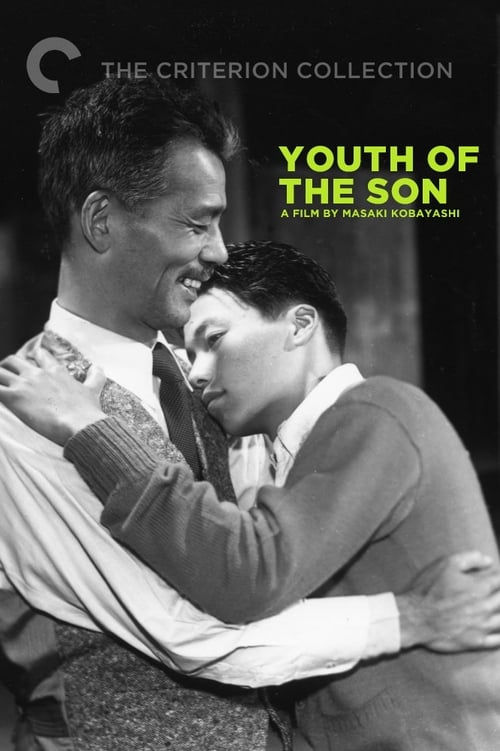
1952
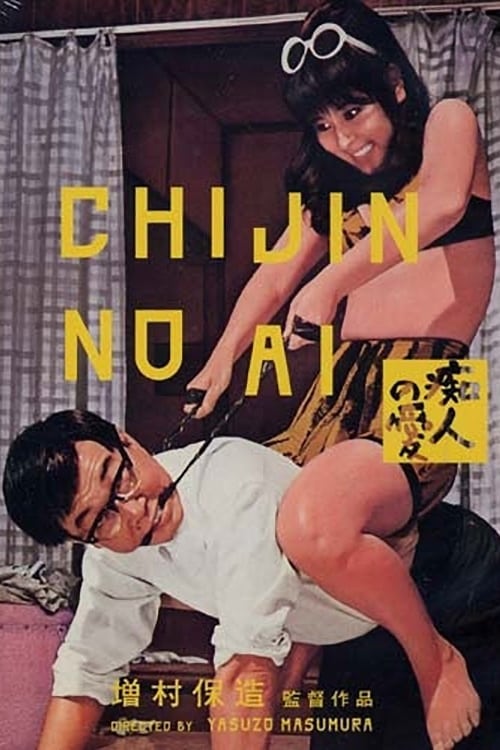
1967
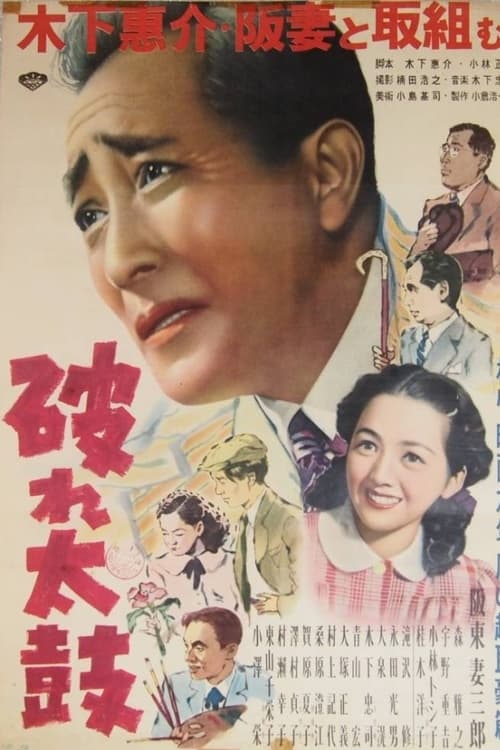
1949
No reviews yet. Be the first to share your thoughts on this movie!
Use the rating form above to leave a star rating and optional review.