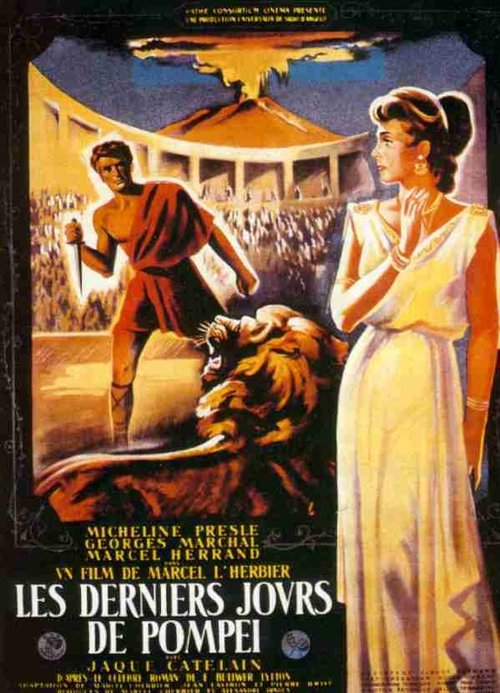
The Last Days of Pompeii
1950
No user ratings available yet
Representation score: 2.3 out of 10
Representation Score
Limited
1949
Director
Alessandro Blasetti
Runtime
164 minutes
Average Rating
No ratings yetNew Showbiz Analysis
Fabiola is a traditional historical epic that emphasizes romantic drama and individual sacrifice. While it highlights a female protagonist and the plight of a persecuted religious group, it adheres to the rigid social hierarchies of ancient Rome. The film follows mid-20th-century storytelling conventions, reinforcing traditional gender roles and straight-centered structures. It uses ethnic distinctions to create a 'civilized versus barbarian' dichotomy rather than exploring complex identities. Overall, the work is a grand, traditional drama that does not address modern intentions to deconstruct systemic power dynamics or challenge established social orders.
Category Breakdown
The film does not include any LGBTQ+ characters or non-straight identities. The story revolves around a traditional romantic relationship between Fabiola and Rhual.
Fabiola is a prominent female character, but her role is heavily influenced by her father's status and her romantic relationships within a patriarchal society.
Rhual, a Gallic gladiator, is included as an outsider, which is a common cliché in historical epics of this time period.
The story focuses on the persecution of early Christians by the Roman state, highlighting religious conviction and martyrdom without critiquing religious institutions.
There are no characters with visible or invisible disabilities mentioned in the narrative.
Present on Screen
Limited or Absent
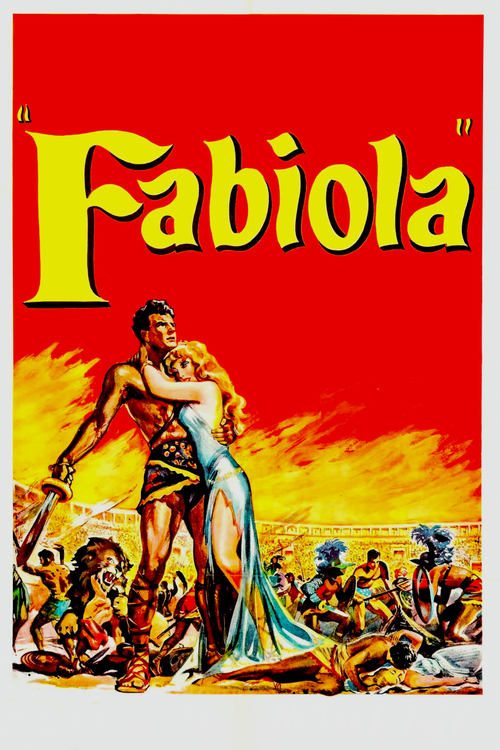
Official Synopsis
In ancient Rome a love story blossoms between Fabiola, daughter of a senator, and Rhual, a Gallic gladiator. After Fabiola's father is killed, the Romans blame the Christians and the persecution begins. Rhual confesses to being a Christian, is accused of the murder and sentenced to fight to the death in the arena.
1950

1951

2015

1954
1954

1928
1959

1953
No reviews yet. Be the first to share your thoughts on this movie!
Use the rating form above to leave a star rating and optional review.