The Last Days of Pompeii
1950
No user ratings available yet
Representation score: 2.3 out of 10
Representation Score
Minimal
1959
Director
Viktor Tourjansky, Arnaldo Genoino
Runtime
93 minutes
Average Rating
No ratings yetNew Showbiz Analysis
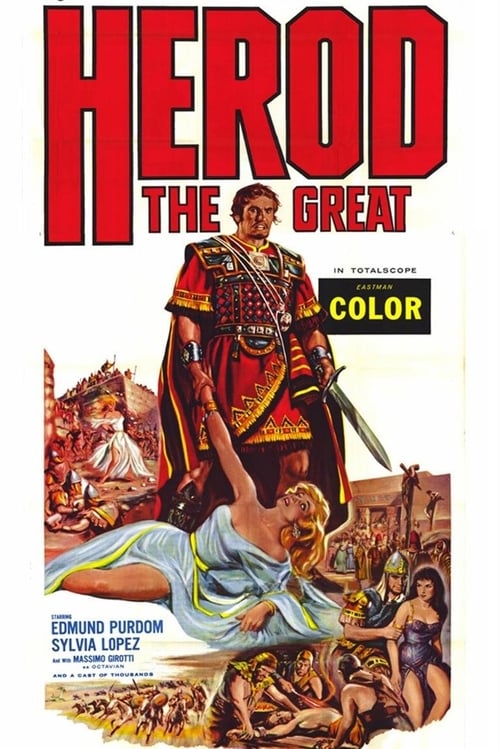
Herod the Great is a conventional historical drama that prioritizes classical themes of monarchy, betrayal, and autocratic paranoia. The narrative structure follows mid-century European cinematic traditions, focusing on the psychological tribulations of a single ruler. The film lacks subversive elements, instead reinforcing the social and gender hierarchies of its era. It functions as a character study of power rather than a diverse exploration of identity. While the setting provides a backdrop of ethnic complexity, the storytelling remains rooted in conservative, traditionalist perspectives.
Category Breakdown
The film focuses on the King's relationship with his wife and does not include any non-traditional gender identities.
Women are portrayed mainly as catalysts for male emotional turmoil. The story centers on the male protagonist's quest for power and political survival.
The Judean and Roman setting includes diverse ethnic groups. However, the film likely adheres to the standardized casting practices typical of 1959.
The story follows traditional Western and religious historical frameworks. It emphasizes institutional stability and established hierarchies without offering cultural critiques.
There is no information regarding the depiction of physical or neurodivergent disabilities in this production.
Present on Screen
Limited or Absent
Official Synopsis
Angry at his wife and defeated in battle, the king of Judea is taken prisoner. After being spared by the Romans, King Herod comes to believe he's been a victim of court plotting.
1950
1954
1963

1951
1955
1953
1949
1944
No reviews yet. Be the first to share your thoughts on this movie!
Use the rating form above to leave a star rating and optional review.