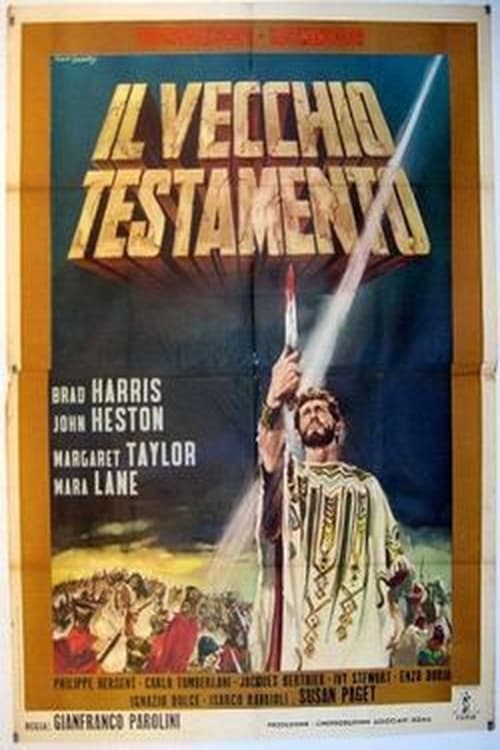
The Old Testament
1963
No user ratings available yet
Representation score: 2.4 out of 10
Representation Score
Limited
1954
NRDirector
Delmer Daves
Runtime
101 minutes
Average Rating
No ratings yetNew Showbiz Analysis
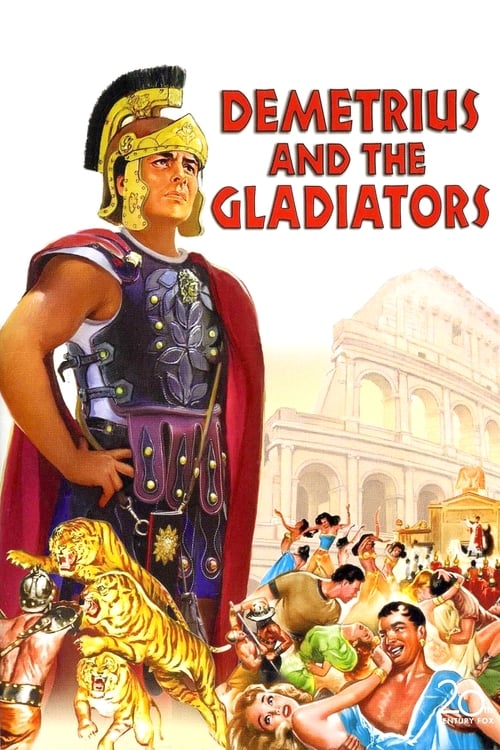
Demetrius and the Gladiators is a mid-century epic that challenges institutional power. By depicting the Roman Empire as a tyrannical oppressor, the film centers the struggle of a persecuted religious minority. The casting of Anthony Quinn adds ethnic diversity to the lead role, providing a more complex protagonist than the typical Anglo-Saxon leads of the time. However, the film adheres to traditional social structures. It lacks LGBTQ+ representation and offers limited ability to act to female characters, who are often defined solely by their relationships to men.
Category Breakdown
The film does not depict any non-straight relationships or same-sex intimacy. Romantic connections are confined to traditional heterosexual pairings.
Female characters mainly serve as objects of temptation or figures of piety. They do not have the independent roles needed to drive the main conflict outside of male-led struggles.
Casting Anthony Quinn in a leading role introduces significant ethnic diversity. This departs from the homogeneous casting typical of mid-century epics.
The narrative criticizes imperial authority by portraying the Roman state as a corrupt and oppressive force. It highlights a underrepresented spiritual movement over established social orders.
The film does not focus on visible or invisible disabilities. There are no characters with disabilities used as narrative devices.
Present on Screen
Limited or Absent
Official Synopsis
The story picks up at the point where "The Robe" ends, following the martyrdom of Diana and Marcellus. Christ's robe is conveyed to Peter for safe-keeping, but the emperor Caligula wants it back to benefit from its powers. Marcellus' former slave Demetrius seeks to prevent this, and catches the eye of Messalina, wife to Caligula's uncle Claudius. Messalina tempts Demetrius, he winds up fighting in the arena, and wavers in his faith.
1963

1951
1949
1961

1954

1953
1932
1954
No reviews yet. Be the first to share your thoughts on this movie!
Use the rating form above to leave a star rating and optional review.