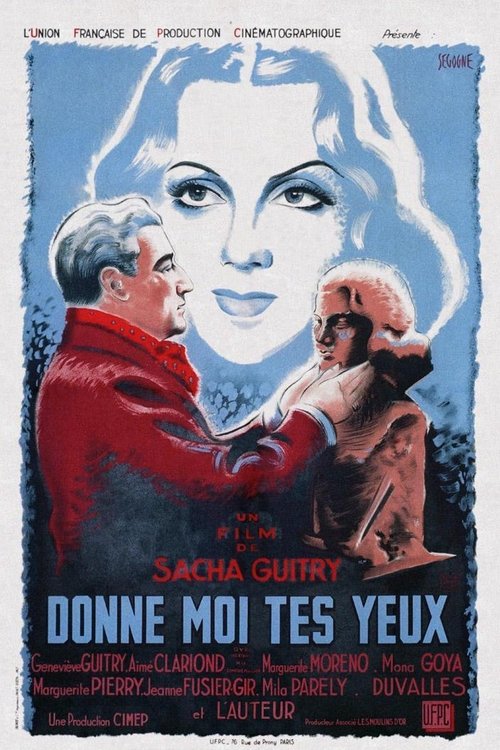
My Last Mistress
1943
No user ratings available yet
Representation score: 4.0 out of 10
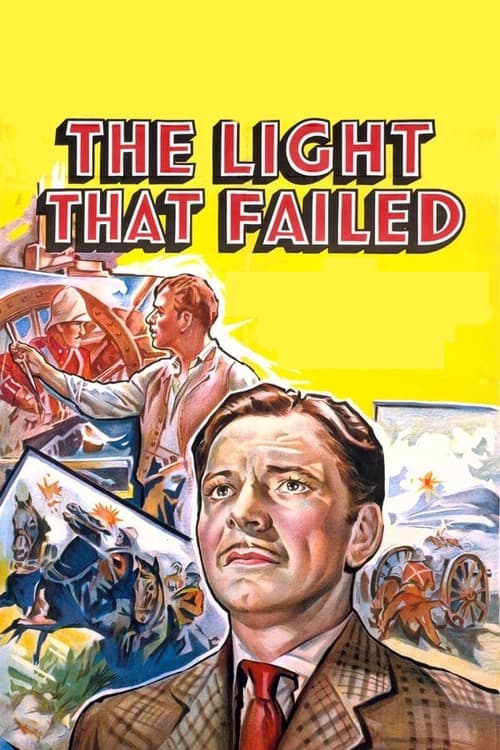
Representation Score
Limited
1939
NRDirector
William A. Wellman
Runtime
97 minutes
Average Rating
No ratings yetNew Showbiz Analysis
This film is a traditional psychological drama centered on a male-centric perspective. It adheres closely to the social and cinematic norms of 1939, offering little in terms of progressive narrative structure. While the film explores themes of materialism and sensory loss, these are presented through the lens of individual tragedy. The narrative lacks depth in addressing multiple aspects of identity and fails to challenge systemic power dynamics. Ultimately, the work remains a conventional Eurocentric production focusing on personal obsession rather than diverse or systemic representation.
Category Breakdown
The film does not include any LGBTQ+ characters or non-cisgender identities. It follows traditional romantic and social structures from the early 20th century.
The story focuses on the psychological breakdown of a male protagonist. Female characters serve mainly as emotional support or narrative foils, rather than independent agents.
The cast is primarily white and uniform, reflecting the Norwegian setting and production period. There is no indication of diverse ethnic backgrounds or race-bent casting.
The film critiques the emptiness of material success and fame. However, it frames this as a personal psychological struggle rather than a broader critique of Western institutions.
The plot centers on the protagonist's gradual loss of sight. While it shows the impact of sensory disability, the portrayal leans towards the 'tragic figure' cliché.
Present on Screen
Limited or Absent
Official Synopsis
A London artist struggles to complete one last painting before going blind.
1943

1948
1939
1952

1909
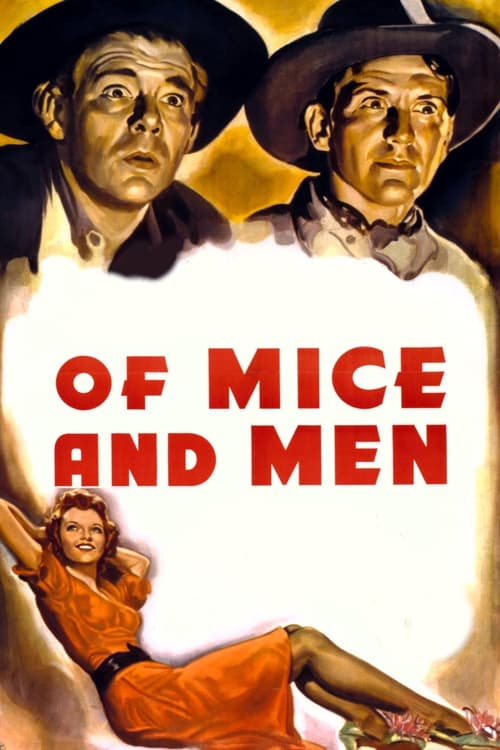
1939
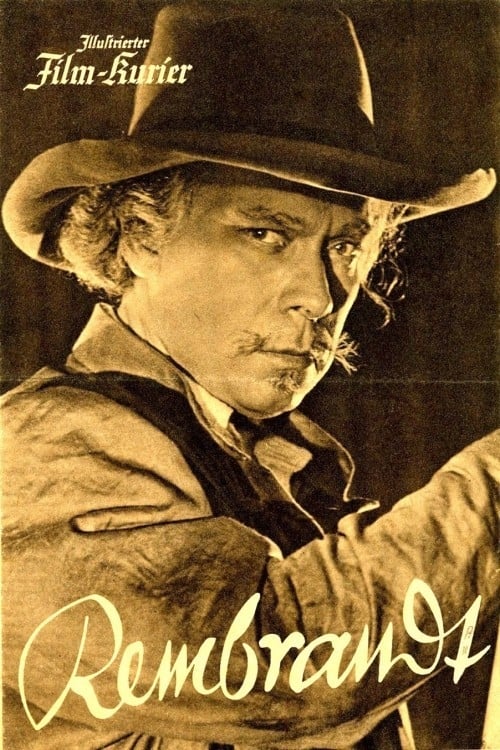
1942
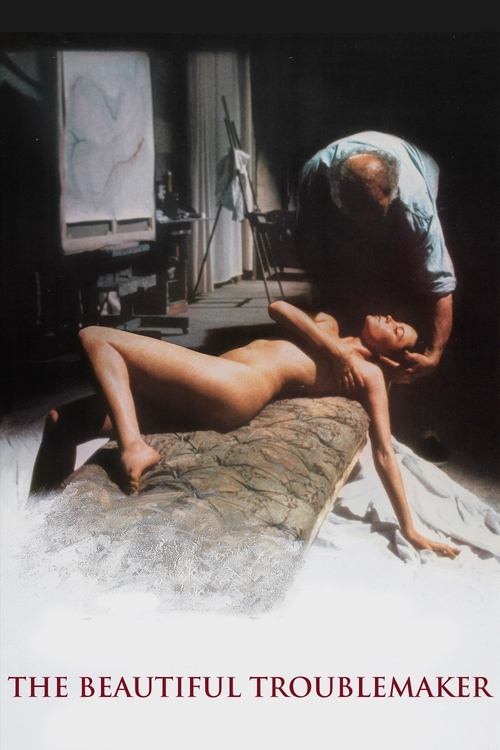
1991
No reviews yet. Be the first to share your thoughts on this movie!
Use the rating form above to leave a star rating and optional review.