A Walk with Kiarostami
2003
No user ratings available yet
Representation score: 5.7 out of 10
Representation Score
Good
1996
Director
Moslem Mansouri, Mahmoud Chokrollahi
Runtime
44 minutes
Average Rating
No ratings yetNew Showbiz Analysis
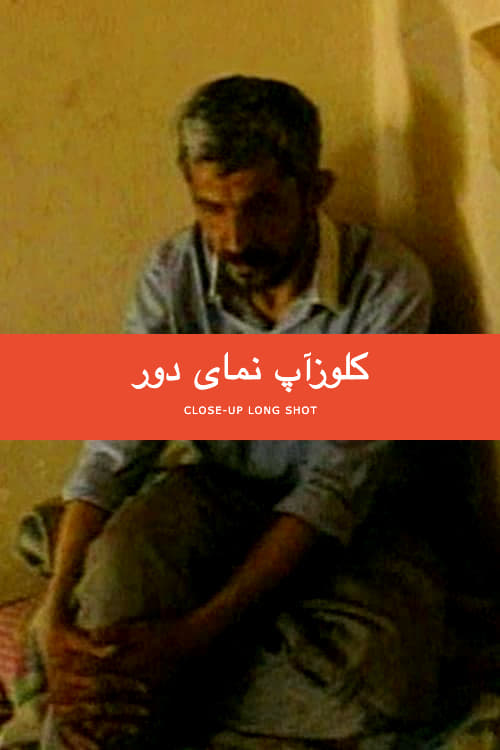
Close-Up Long Shot functions as a detailed character study that prioritizes cultural specificity over broad demographic representation. Its strength lies in its ability to disrupt Western cinematic norms by centering an Iranian perspective and exploring the complexities of subjective reality. However, the film is limited by its narrow demographic focus, centered on a male protagonist. This leaves little room for gender diversity or LGBTQ+ representation. The narrative is heavily male-dominated, which restricts the range of perspectives presented. Ultimately, the film excels as an ethnographic and psychological exploration. It prioritizes a deep, culturally specific examination of how an individual perceives truth and identity through cinema.
Category Breakdown
The film does not include any explicit references to LGBTQ+ identities or same-sex relationships. Instead, it focuses on the psychological obsession of the main character, Hossain Sabzian.
The story centers around a male protagonist, Hossain Sabzian, and lacks female characters who drive the plot. It does not challenge traditional gender roles or hierarchies.
The documentary offers meaningful representation by focusing on an Iranian subject, disrupting the typical Western cinematic perspective.
The film challenges Western storytelling conventions by emphasizing subjective experiences and moral relativism. It explores the blurring of lines between reality and performance.
The film portrays the subject's lifelong obsession as a unique psychological condition, granting him a significant role in driving the story and avoiding mockery.
Present on Screen
Limited or Absent
Official Synopsis
Hossain Sabzian and some of his associates discuss his character, his life-long obsession with cinema and his attitude towards the film he starred in, "Close-Up" (1990).
2003
1961

2014
2011

2004
1978
2003

2011
No reviews yet. Be the first to share your thoughts on this movie!
Use the rating form above to leave a star rating and optional review.