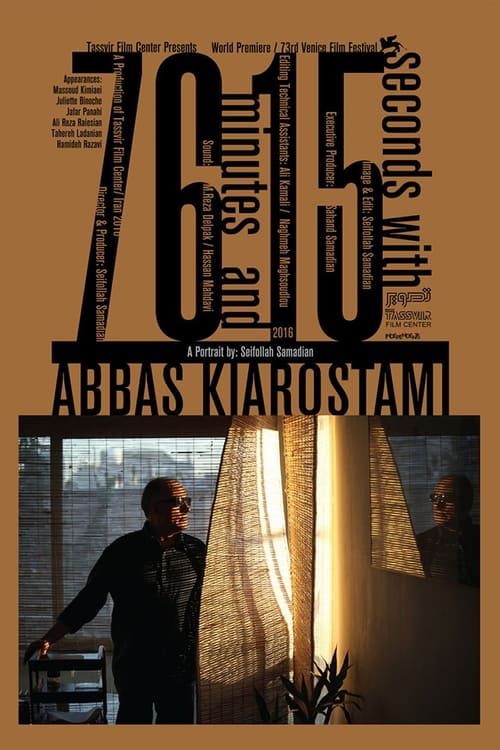
76 Minutes and 15 seconds with Abbas Kiarostami
2016
No user ratings available yet
Representation score: 5.7 out of 10
Representation Score
Fair
2003
Director
Jamsheed Akrami
Runtime
32 minutes
Average Rating
No ratings yetNew Showbiz Analysis
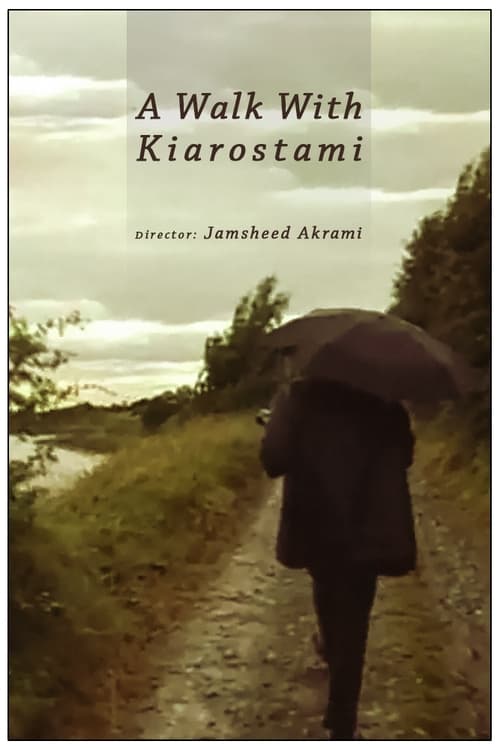
A Walk with Kiarostami serves as a vital cross-cultural intellectual exchange. By facilitating a spontaneous dialogue between Jamsheed Akrami and Abbas Kiarostami, the film disrupts the Western-centric cinematic canon and elevates Eastern perspectives on visual storytelling. While the film lacks representation regarding gender and LGBTQ+ identities, its strength lies in its ability to deconstruct the dominance of Western film theory. It provides a rare, unscripted look at a titan of Iranian cinema, prioritizing artistic truth over traditional media formats. Ultimately, the documentary functions as a tool for preserving non-Western intellectual traditions, making it a significant contribution to global cinematic discourse despite its narrow demographic focus.
Category Breakdown
The documentary focuses on philosophical discussions and professional interactions. It does not include explicit stories or character arcs related to LGBTQ+ identities.
The film centers on a male intellectual exchange. It does not feature prominent women's ability to drive the story or actively challenge gender hierarchies.
The work excels by centering an Iranian master through a diaspora academic. This facilitates high ability to act for non-Western voices in global discourse.
The film challenges Western institutional gatekeeping by providing a platform for an Iranian auteur. It prioritizes subjective artistic truth over rigid standards.
There is no discernible evidence regarding the depiction of physical or neurodivergent disabilities.
Present on Screen
Limited or Absent
Official Synopsis
U.S.-based film professor Jamsheed Akrami talks to Iranian master Abbas Kiarostami in an inpromptu video interview, which offers a frank and funny view of Kiarostami rarely seen before.
2016

1985

2003
2008
2006

2004

1977
1996
No reviews yet. Be the first to share your thoughts on this movie!
Use the rating form above to leave a star rating and optional review.