Correspondence
2020
No user ratings available yet
Representation score: 5.3 out of 10
Representation Score
Excellent
2014
Director
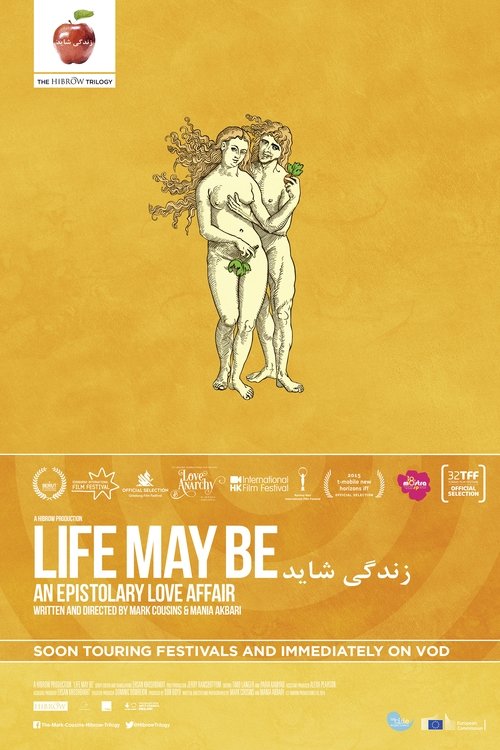
Mark Cousins, Mania Akbari
Runtime
102 minutes
Average Rating
No ratings yetNew Showbiz Analysis
Life May Be is a sophisticated cinematic discourse that disrupts traditional documentary expectations. Its strength lies in its radical centering of women's ability to drive the story and its ability to bridge disparate cultural perspectives through a postmodern lens. The film facilitates a meaningful cross-cultural dialogue between British and Iranian perspectives. This structural duality allows for a critique of Western art history and institutional authority. However, the film remains neutral regarding specific queer identities and does not address the lived experiences of disability. It functions more as an intellectualized exploration of gender and culture than a study of specific identity-based clichés.
Category Breakdown
The film focuses on philosophical discussions rather than exploring sexual orientation. While female perspectives provide a framework that intersects with queer theory, there are no explicit depictions of non-traditional gender identities.
The narrative centers on challenging patriarchal structures by using a female perspective. Female characters are portrayed as primary drivers of intellectual thought rather than passive muses, effectively deconstructing traditional power dynamics.
A vital Middle Eastern perspective is introduced through Mania Akbari, facilitating a cross-cultural dialogue. This interplay between British and Iranian viewpoints challenges the homogeneity of Western art criticism.
The film critiques male-centric Western art traditions and institutional norms. It prioritizes intellectual pluralism and individual perspectives over singular, dogmatic truths through its postmodern essayistic format.
There is no prominent or specialized focus on visible or invisible disabilities. The documentary remains focused on the psychological and creative ability to act of its subjects.
Present on Screen
Limited or Absent
Official Synopsis
An epistolary feature film: a cinematic discourse between a British director Mark Cousins, and an Iranian actress and director Mania Akbari which extends the concept of "essay film" with startling confrontations in the arenas of cultural issues, gender politics and differing artistic sensibilities. A unique journey into the minds of two exceptional filmmakers which becomes a love affair on film.
2020
2008
2013
2014
2017

2016
2017

2011
No reviews yet. Be the first to share your thoughts on this movie!
Use the rating form above to leave a star rating and optional review.