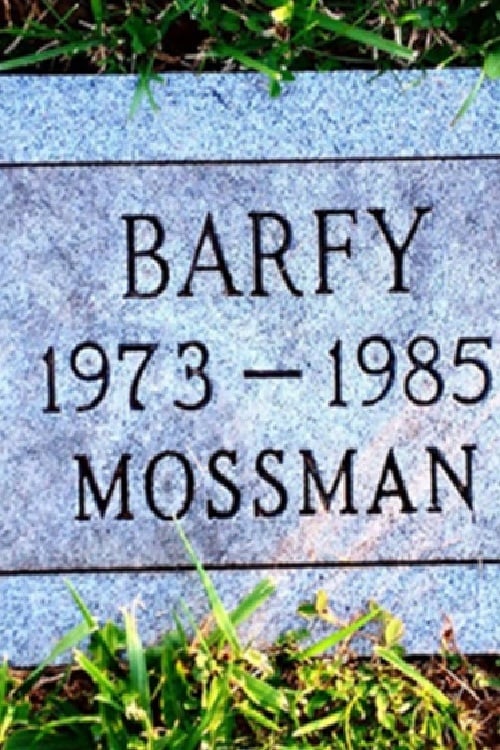
Julius Caesar Was Buried in a Pet Cemetery
2018
No user ratings available yet
Representation score: 4.3 out of 10
Representation Score
Good
1978
Not RatedDirector
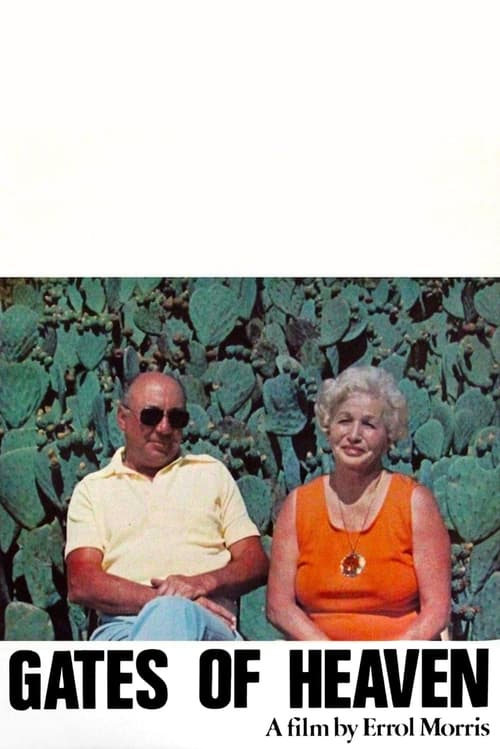
Errol Morris
Runtime
83 minutes
Average Rating
No ratings yetNew Showbiz Analysis
Errol Morris’s documentary is a masterful example of modern storytelling that focuses on individual subjective truths rather than demographic diversity. It prioritizes fragmented personal accounts over authoritative, systemic narratives. The film's main strength lies in its cultural approach, using moral relativism to validate unique personal truths. It avoids the moralizing tone of traditional documentaries, allowing subjects to define their own realities. However, the film lacks significant representation across various demographic categories. It remains centered on a localized, specific community, offering limited engagement with racial, gendered, or LGBTQ+ narratives.
Category Breakdown
The film does not include explicit LGBTQ+ stories or non-cisgender identities. It focuses on universal themes of loneliness and connection without addressing queer theory or questioning the assumption that everyone is straight.
The film observes social interactions without reinforcing or challenging traditional gender roles. The emphasis is on dealing with loss and companionship rather than gender-based power dynamics or stereotypes.
The story centers around a relatively homogenous community in California. It does not use diverse casting or feature non-white actors to challenge Anglo-centric norms.
The film stands out by emphasizing secular, individualistic viewpoints over religious ones. It supports unique ways of grieving through moral relativism and direct engagement with subjects.
The film does not explicitly represent visible or diagnosed disabilities. However, it provides a nuanced exploration of the psychological experiences of social isolation and grief.
Present on Screen
Limited or Absent
Official Synopsis
A showcase of workers in the animal burial industry while dealing with heavier existential questions regarding mortality and the afterlife. Floyd 'Mac' McClure believes that a graceful burial is as important for pets as it is for people; he chronicles his struggles to keep his niche business afloat, and interviews several of his associates and one of his competitors, the manager of a rendering plant.
2018

1969

1981
2000
2017
2000

2003

2004
No reviews yet. Be the first to share your thoughts on this movie!
Use the rating form above to leave a star rating and optional review.