Love Me Tonight
1932
No user ratings available yet
Diversity score: 2.6 out of 10

1940
Director
Vladimir Korsh
Runtime
80 minutes
Average Rating
No ratings yetSynopsis
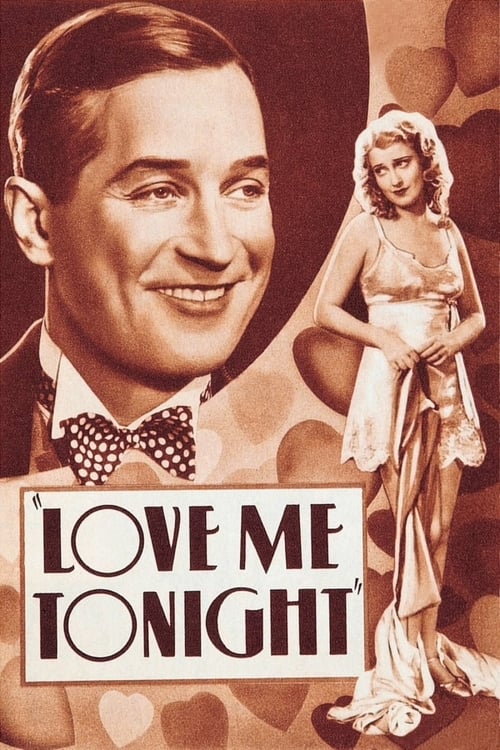
When Shura's sister dies, Shura starts taking care of her newly orphaned niece. Her fiancee, Grisha thinks the child may be Shura's own, and his suspicions estrange them. This leaves the way clear for a shy neighbor who has loved her from afar to gain points as a potential mate. Stenberg's design is simple and effective - a strongly-colored portrait of the pensive heroine at a table that provides space for the title and limited credits.
Overall Score
Limited
Category Breakdown
LGBTQ+ Representation
The film focuses on traditional romantic pairings and heteronormative structures. There is no evidence of same-sex intimacy or non-cisnormative identities.
Gender Representation
Shura occupies the central role, navigating maternal responsibility and romantic scrutiny. However, the conflict is driven by male suspicion and period-specific social expectations.
Racial & Ethnic Diversity
The cast and setting reflect a homogeneous social environment. There is no indication of racial blending or non-majority casting within this localized framework.
Religious & Cultural Diversity
The story explores familial duty and kinship following a death. It adheres to the communal values and social morality prevalent in 1940s Soviet cinema.
Disability Representation
There is no information regarding characters with visible or invisible disabilities. No assessment can be made regarding neurodivergence or physical impairment.
Strengths
Areas for Improvement
AI Analysis
My Love is a period-specific romantic comedy that operates within the established social hierarchies of 1940s Soviet cinema. The narrative centers on Shura, a woman managing sudden maternal responsibilities, but the plot is largely dictated by the suspicions of the men around her. The film relies on conventional romantic tropes and heteronormative relationship structures. It prioritizes themes of communal responsibility and domesticity over any form of intersectional or progressive narrative experimentation. Ultimately, the work functions as a traditional social drama of its era, offering little disruption to the standard gender or familial structures of the time.
1932

1956
1928
1985
1937
1954
1945

1929
1942
1937
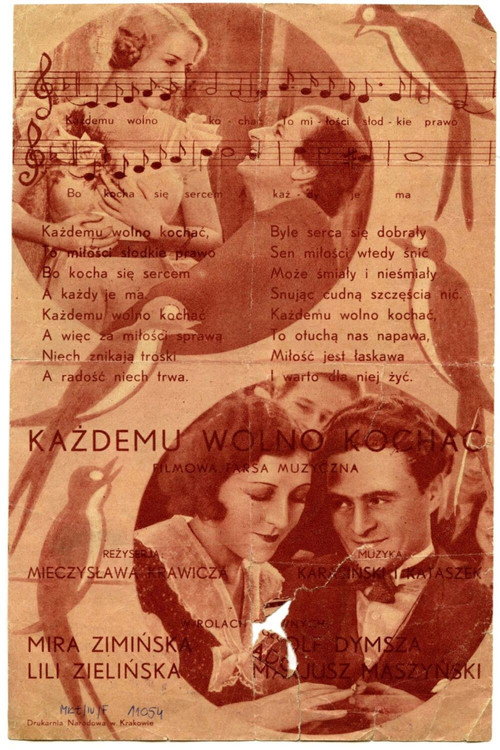
1933
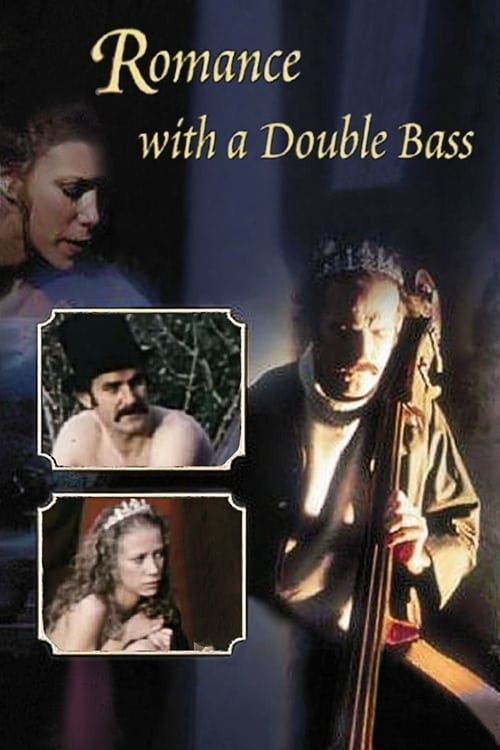
1974
No reviews yet. Be the first to share your thoughts on this movie!
Use the rating form above to leave a star rating and optional review.