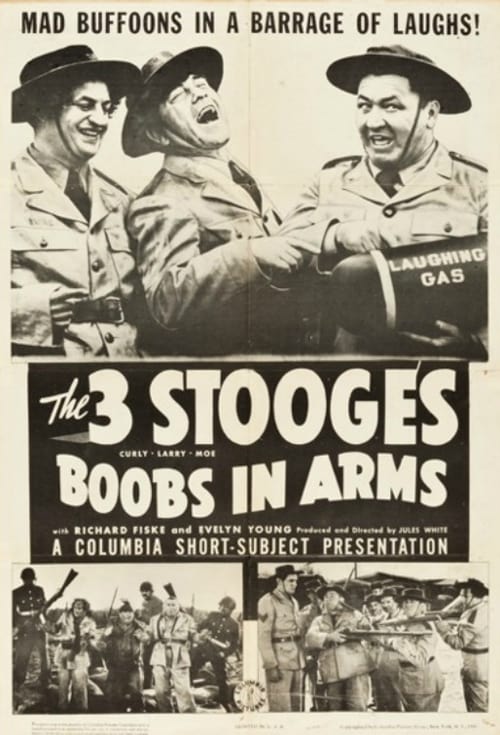
Boobs in Arms
1940
No user ratings available yet
Representation score: 1.2 out of 10
Representation Score
Minimal
1942
NRDirector
Jules White
Runtime
17 minutes
Average Rating
No ratings yetNew Showbiz Analysis
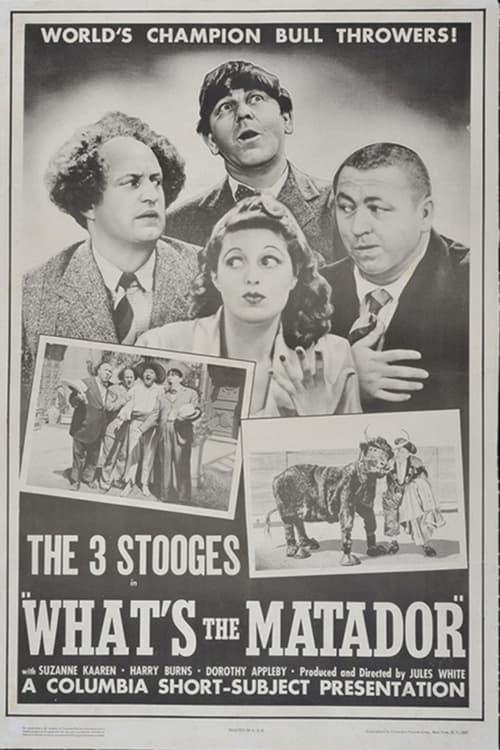
What's the Matador? is a product of its era, prioritizing kinetic slapstick over social nuance. The narrative relies heavily on established archetypes and traditional relationship dynamics, offering little in the way of diverse perspectives. While the film utilizes a non-Anglo setting, it treats the Mexican culture as a backdrop for comedy rather than engaging with it deeply. The characters function within rigid social hierarchies typical of 1940s shorts. Ultimately, the film provides minimal disruption to the status quo, focusing on the physical buffoonery of the Three Stooges rather than meaningful engagement with cultural diversity.
Category Breakdown
The film follows a conventional structure that assumes everyone is straight or cisgender. The plot centers on romantic tension between a woman and her jealous husband, reinforcing traditional monogamous dynamics.
Gender roles are traditional for the 1940s. Dolores serves primarily as a plot catalyst, while the male characters are depicted through the lens of slapstick incompetence.
The Mexican setting and bullfighting backdrop appear to function as aesthetic stages for comedy. The narrative relies on localized clichés rather than giving real depth to characters of color.
The story adheres to standard Western comedic structures. It lacks institutional critique or moral relativism, following a straightforward hero's journey through accidental physical prowess.
No characters are identified with visible or invisible disabilities. The physical comedy focuses on general clumsiness rather than specific disability portrayals.
Present on Screen
Limited or Absent
Official Synopsis
The stooges are actors traveling to perform at a fiesta in Mexico. After they accidentally switch suitcases with that of Dolores, a lovely senorita they met on trip down, they must sneak into her house to retrieve their suitcase. When they are confronted by her jealous husband he vows to kill them if he sees them again. At the fiesta where they are performing a comedy bullfight (Curly is the matador, Moe and Larry are in a bull costume) the husband bribes the attendants to let a real bull into the ring. Curly knocks the bull out with a head butt and becomes a hero.
1940
1951
1952
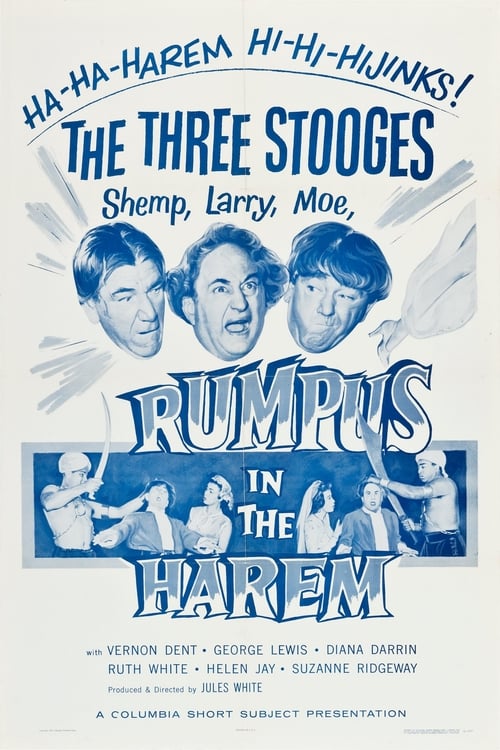
1956
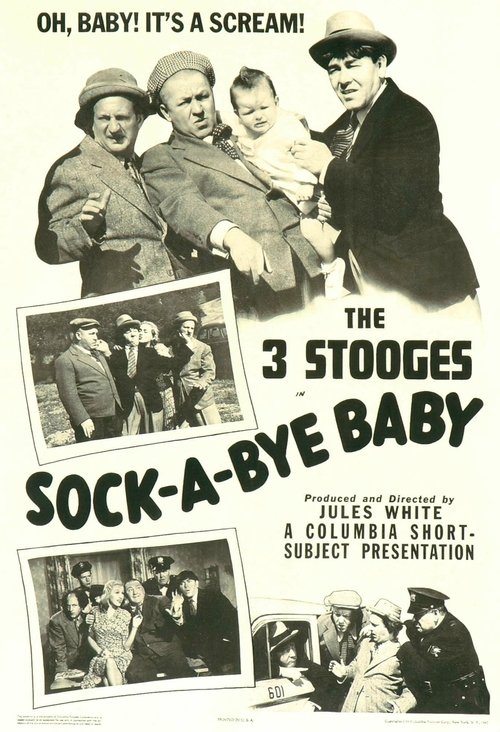
1942

1942
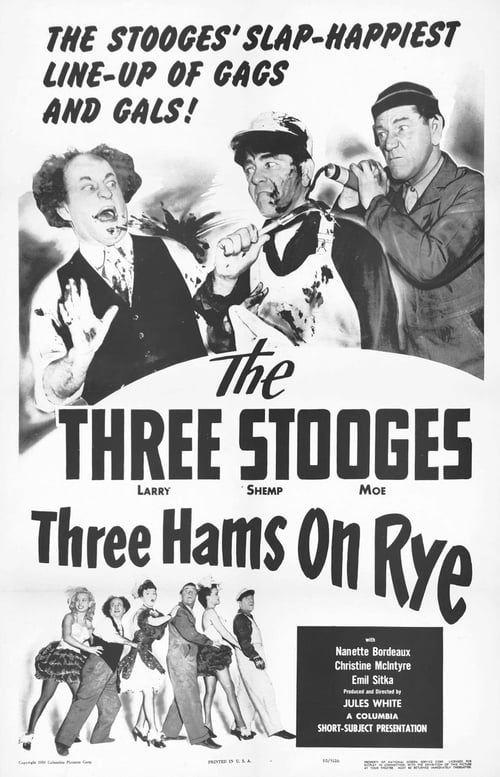
1950
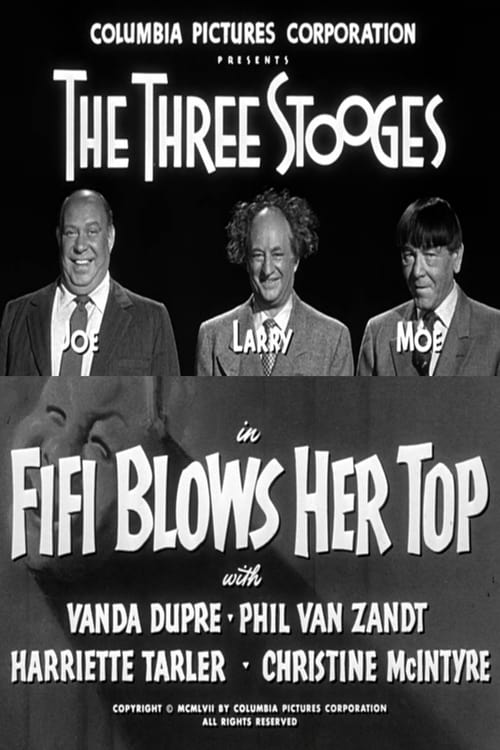
1958
No reviews yet. Be the first to share your thoughts on this movie!
Use the rating form above to leave a star rating and optional review.