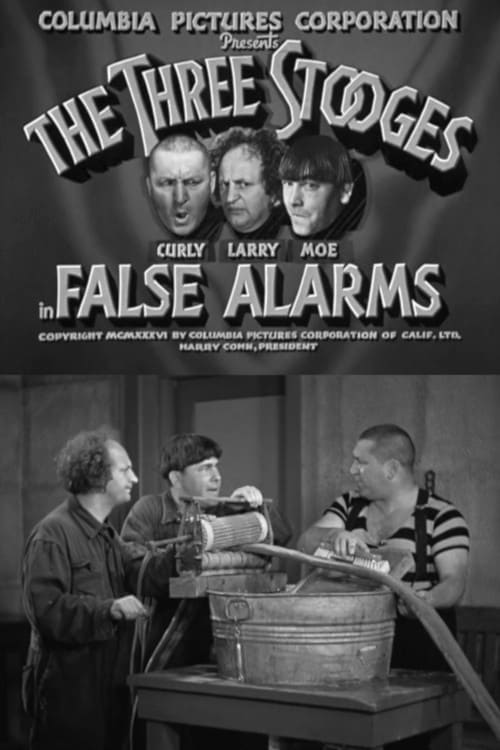
False Alarms
1936
No user ratings available yet
Representation score: 2.6 out of 10
Representation Score
Minimal
1939
Director
Marcel Varnel
Runtime
73 minutes
Average Rating
No ratings yetNew Showbiz Analysis
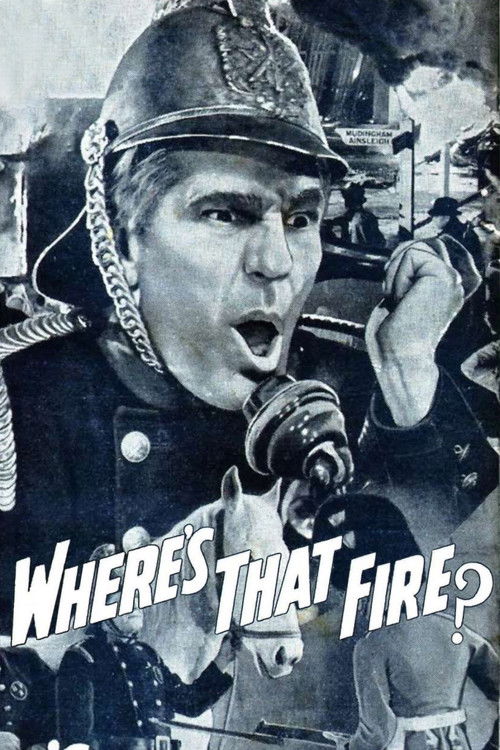
Where's That Fire is a classic product of its time, designed for escapist entertainment. The narrative depends on established social hierarchies and a homogeneous cultural perspective to create situational humor. The film upholds the social norms of the 1930s. It does not aim to challenge conventional views on gender, race, or identity, focusing instead on maintaining local order. Ultimately, the production prioritizes energetic farce over any meaningful social critique or diverse representation.
Category Breakdown
The film does not include any visible or implied presence of LGBTQ+ identities. It adheres strictly to the social norms of 1939, providing no hints of non-straight relationships.
Gender dynamics follow traditional hierarchies typical of early 20th-century farce. Women play supporting roles within the village, lacking significant influence or intellectual prominence.
The cast is very uniform, reflecting a culturally homogeneous Western community. There is no indication of racial or ethnic diversity within the small English village setting.
The story emphasizes Western social institutions by focusing on protecting the Crown Jewels. It celebrates community unity and traditional structures through light-hearted slapstick humor.
Physical clumsiness is used as a comedic device in farce rather than a nuanced depiction of disability. Characters are shallow, serving primarily as part of the slapstick humor.
Present on Screen
Limited or Absent
Official Synopsis
Capt Viking and his incompetent fire crew accidentally foil a plot to steal the crown jewels.
1936
1946
1936
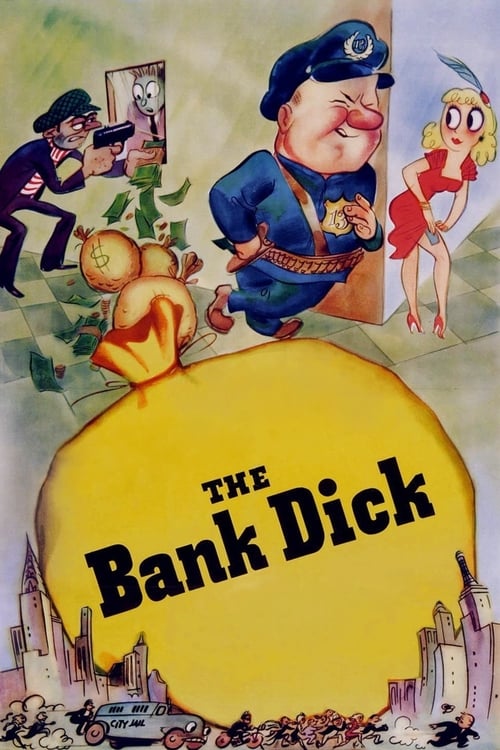
1940
1959
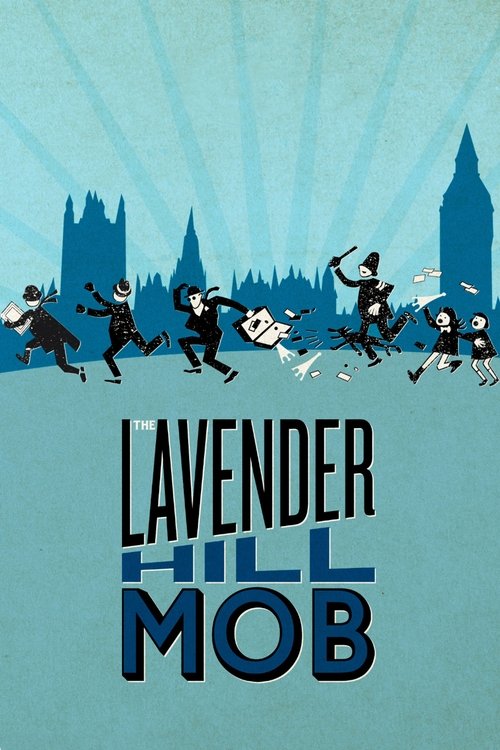
1951
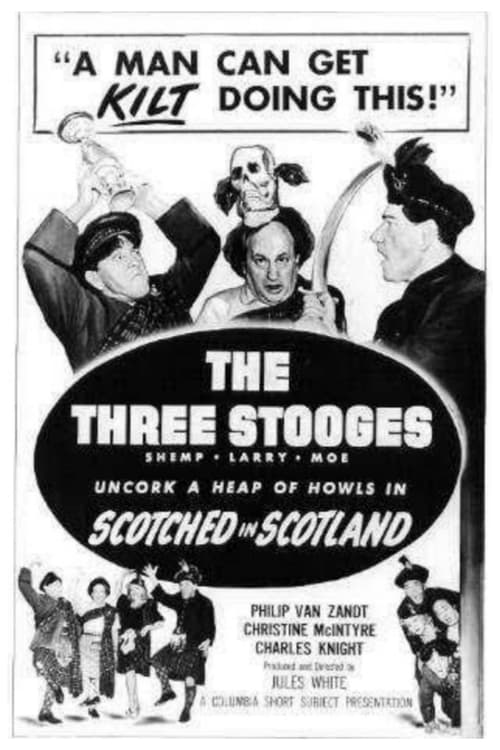
1954
1940
No reviews yet. Be the first to share your thoughts on this movie!
Use the rating form above to leave a star rating and optional review.