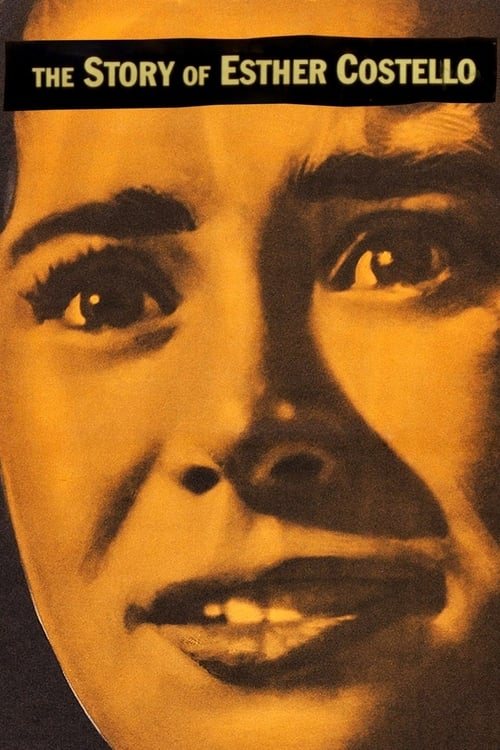
The Story of Esther Costello
1957
No user ratings available yet
Representation score: 3.2 out of 10

Representation Score
Fair
1951
Director
Georges Lacombe
Runtime
110 minutes
Average Rating
No ratings yetNew Showbiz Analysis
This mid-century French drama stands out for its portrayal of disability. By focusing on the protagonist's journey to learn Braille, the film explores how he regains autonomy rather than falling into a tragic storyline. However, the film is limited by the social norms of its era. It lacks racial and LGBTQ+ diversity, reflecting the homogeneous casting practices of 1951 European cinema. Despite some traditional gender roles, the female lead plays a crucial role in empowering the protagonist, offering him the intellectual tools needed to navigate his new reality.
Category Breakdown
The film does not include any LGBTQ+ characters or narratives. It centers around themes of physical disability and religion.
A nun helps the protagonist gain tools for self-determination, challenging the family's controlling influence. She provides the protagonist with the means to act independently.
The film adheres to the casting standards of 1951 France, which were predominantly white. There is no indication of a diverse or multi-ethnic cast.
The story engages with the Church through a nun who empowers the protagonist. It focuses on personal resilience within Western institutions.
The film emphasizes the protagonist's ability to take control of his life by learning Braille. He transitions from being treated like a child to achieving functional independence.
Present on Screen
Limited or Absent
Official Synopsis
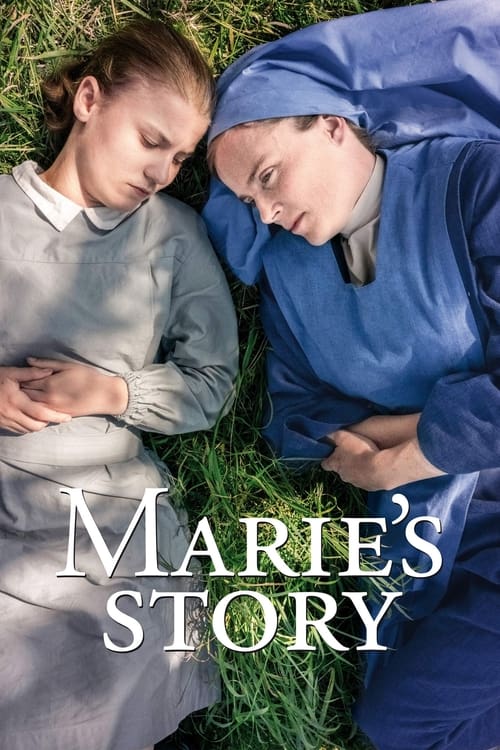
After an accident, Raymond has gone blind. His family treats him like a child, but fortunately a nun comes to his rescue. She works in a center where blind people learn to read using the Braille alphabet.
1957
1965
1959
1962
1931
1937
2014

2005
No reviews yet. Be the first to share your thoughts on this movie!
Use the rating form above to leave a star rating and optional review.