
The Southerner
1945
No user ratings available yet
Representation score: 1.4 out of 10
Representation Score
Limited
1949
NRDirector
William D. Russell
Runtime
93 minutes
Average Rating
No ratings yetNew Showbiz Analysis
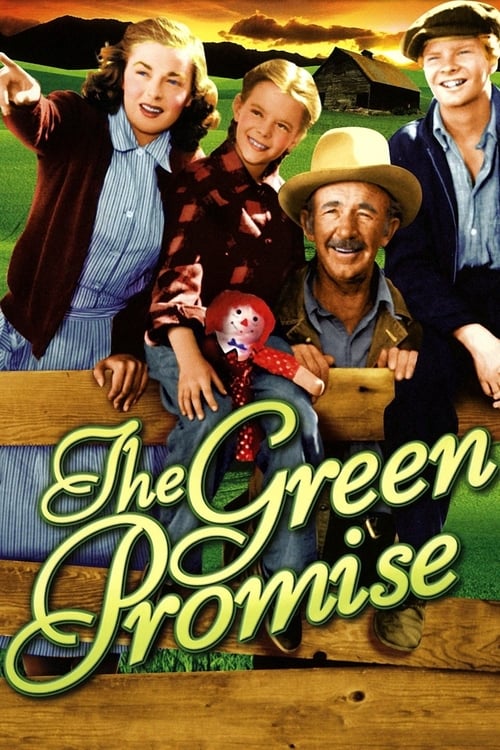
The Green Promise is a mid-century drama that adheres closely to the social hierarchies of its era. The narrative is built around a traditional patriarchal head of household and a standard courtship arc. While the film offers a slight subversion of gender roles by placing the daughter in charge of the farm, this shift is triggered by necessity rather than proactive character development. The story remains rooted in the preservation of conventional family structures. Ultimately, the film functions as a period-typical drama, utilizing character shifts and physical injury to drive the plot without deconstructing the underlying social norms of the time.
Category Breakdown
The film centers on a traditional patriarchal family structure. There is no evidence of non-straight relationships or same-sex intimacy, focusing instead on heterosexual relationships.
The narrative shifts power from a stubborn father to his daughter. While she gains a significant role in driving the story as the farm's decision-maker, this competence is reactive to her father's injury.
The story appears to center on a conventional Western agrarian family. It likely reflects the demographic homogeneity typical of 1949 studio productions.
The plot reinforces traditional Western values regarding the nuclear family and agrarian labor. It focuses on maintaining domestic order and preserving the family farm.
Physical injury serves as a primary plot catalyst. The depiction risks using disability primarily as a functional device to shift character roles rather than exploring lived experiences.
Present on Screen
Limited or Absent
Official Synopsis
A stubborn farmer is raising his children alone. When his oldest daughter gets a suitor, the father nearly goes on the rampage, but he is forced to change his tune when he is injured, leaving her in charge of the farm.
1945
1946
1941

1960
1945
1949
2011
1939
No reviews yet. Be the first to share your thoughts on this movie!
Use the rating form above to leave a star rating and optional review.