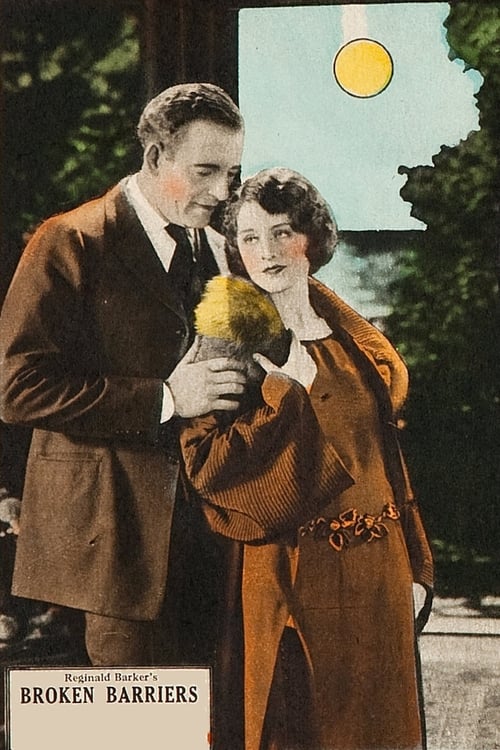
Broken Barriers
1924
No user ratings available yet
Diversity score: 2.4 out of 10

1928
NRDirector
Howard Higgin
Runtime
68 minutes
Average Rating
No ratings yetSynopsis
Blondy and Swede are gruff best friends who build skyscrapers. Blondy gets sweet on a girl he saves from a falling beam, Sally, but when he is injured in an accident and temporarily crippled, he rejects her. Swede tries every desperate measure to get Blondy to fight back, to try to walk, even masquerading as stealing Sally away from him.
Overall Score
Limited
Category Breakdown
LGBTQ+ Representation
The story focuses on a heterosexual romance between Blondy and Sally. There is no evidence of same-sex intimacy or non-cisnormative identities.
Gender Representation
The plot centers on male camaraderie and physical labor. Sally acts primarily as a reactive romantic catalyst within a masculine-driven narrative.
Racial & Ethnic Diversity
The film reflects the homogeneous casting standards of the 1920s. It focuses on demographic archetypes typical of early Hollywood industrial dramas.
Religious & Cultural Diversity
The narrative follows a traditional moral arc centered on industrialism. It does not appear to challenge Western institutions or promote secularism.
Disability Representation
Blondy’s temporary injury serves as a central plot driver. The film explores the psychological impact of impairment through a traditional dramatic lens.
Strengths
Areas for Improvement
AI Analysis
Skyscraper is a standard industrial melodrama that adheres strictly to the social hierarchies and narrative conventions of the late silent era. The film prioritizes themes of masculine resilience and physical labor over any systemic critique or progressive identity politics. While the story provides a platform to explore the psychological effects of physical injury, it relies on traditional tropes. The characters function within a narrow demographic framework typical of 1920s Hollywood, lacking intersectional complexity. Ultimately, the film serves as a period piece that reinforces conventional gender roles and heteronormative structures rather than subverting them.
1924
1923
1929
1928
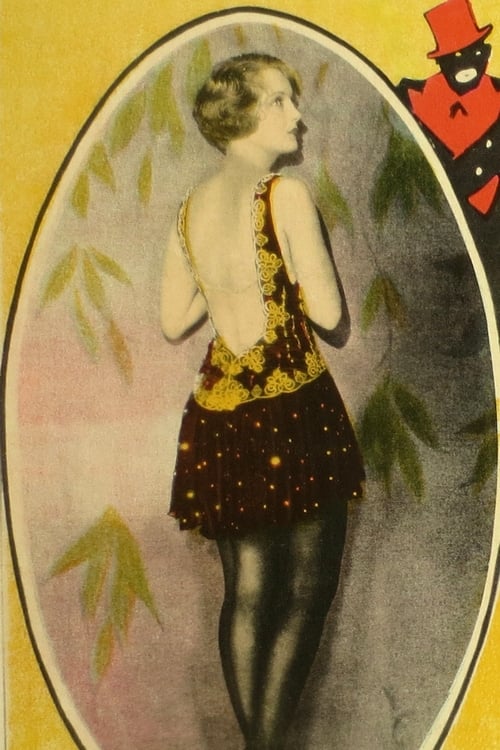
1929
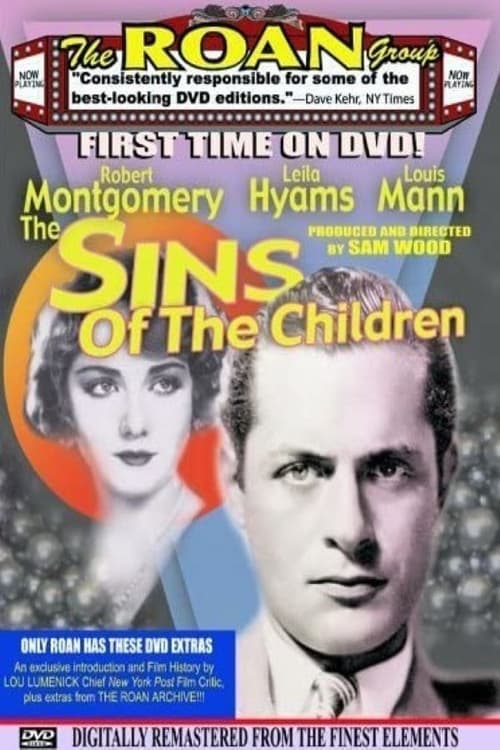
1930
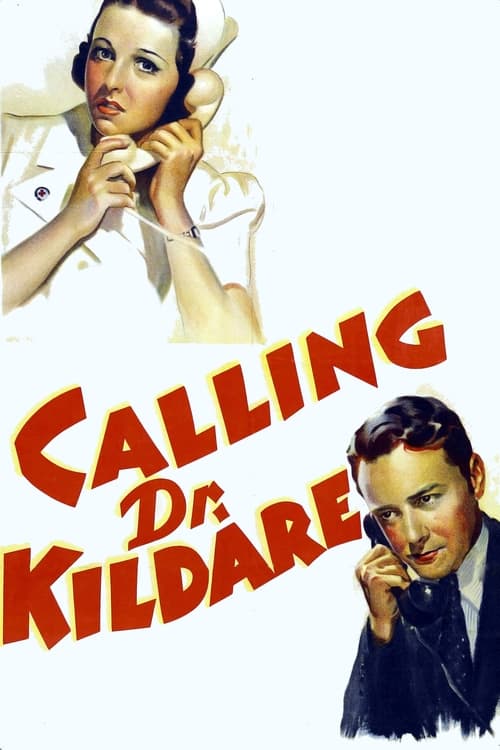
1939
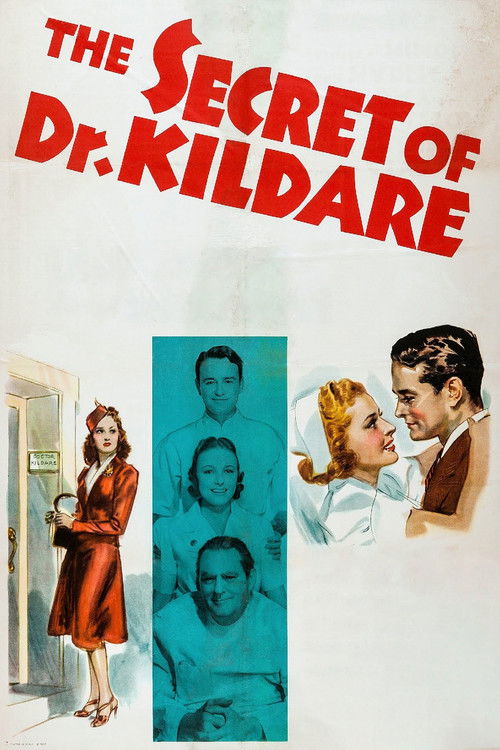
1939
1925
1913

1988

1951
No reviews yet. Be the first to share your thoughts on this movie!
Use the rating form above to leave a star rating and optional review.