Tin Man
1983
No user ratings available yet
Representation score: 4.2 out of 10
Representation Score
Fair
1919
PassedDirector
Robert Z. Leonard
Runtime
60 minutes
Average Rating
No ratings yetNew Showbiz Analysis
The film presents a detailed exploration of sensory disability and female professional empowerment. Arathea is characterized by her innovative ideas and her progression into a corporate role, offering a refreshing contrast to the era's typical portrayal of women as frail. However, the film remains confined by the social norms of 1919. It lacks racial diversity and LGBTQ+ representation, staying within a homogeneous, straight-centered framework. The narrative emphasizes individual resilience and traditional romantic fulfillment rather than challenging broader social structures. Overall, while the portrayal of disability avoids harmful stereotypes, the film's diversity is limited by its adherence to traditional romantic and cultural norms.
Category Breakdown
The film does not include any LGBTQ+ characters or narratives that question the assumption that everyone is straight. The main romance between Arathea and Gerald follows a traditional heterosexual storyline.
Arathea evolves from a passive patient to an active professional. She demonstrates significant control over her life through her intellect, but the story's resolution depends on conventional romantic courtship.
The story focuses on a uniform social structure with no indication of non-Anglo-Saxon characters or racial mixing.
The plot adheres to early 20th-century moral standards, emphasizing individual achievement and technological advancement without critiquing Western institutions or religion.
The film centers on Arathea's experience with hearing loss, portraying her as intellectually capable and having control over her life rather than mocking her impairment.
Present on Screen
Limited or Absent
Official Synopsis
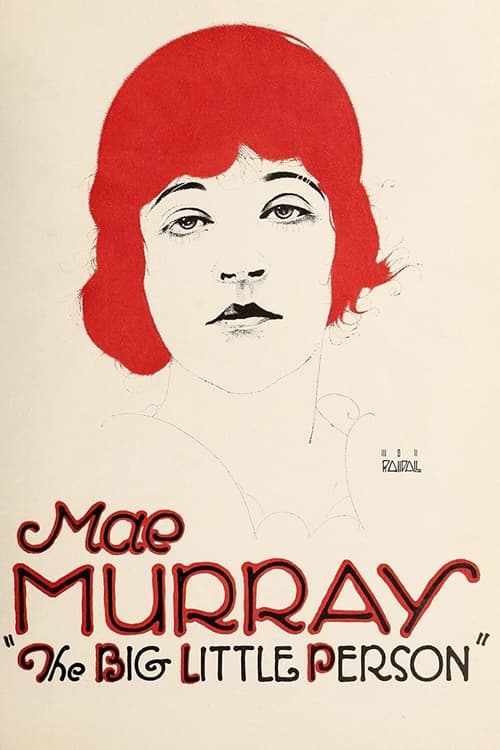
After Arathea Manning loses her hearing during an epidemic of scarlet fever among the children she teaches, her fiancé Arthur Endicott, who is involved with another woman, complains of always having to shout to make himself heard. An inventor, Gerald Staples, gives Arathea an auriphone, a device to restore her hearing, but one of her problem pupils, in a fit of rage, breaks it. Gerald asks Arathea, whom he calls "The Big Little Person -- small in size, but big in ideas," to be the secretary of his new company marketing the invention. He falls in love with her and plays the piano for her even though she hears only rumblings.
1983

1924

1936

1920

1932

1931

2000

1986
No reviews yet. Be the first to share your thoughts on this movie!
Use the rating form above to leave a star rating and optional review.