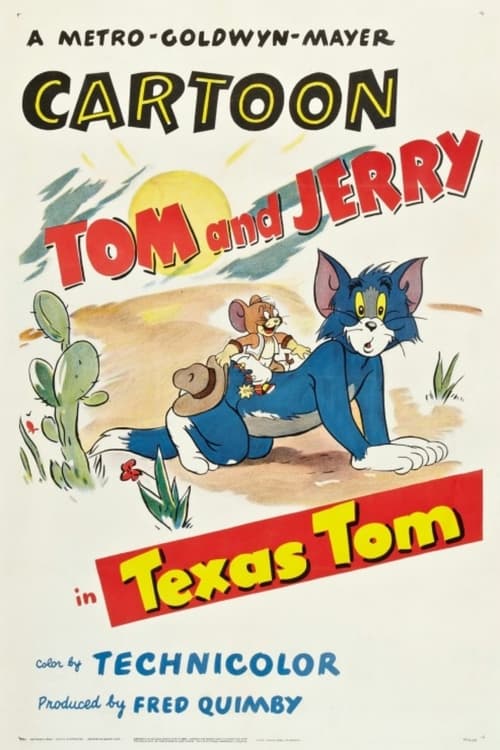
Texas Tom
1950
No user ratings available yet
Representation score: 0.4 out of 10
Representation Score
Limited
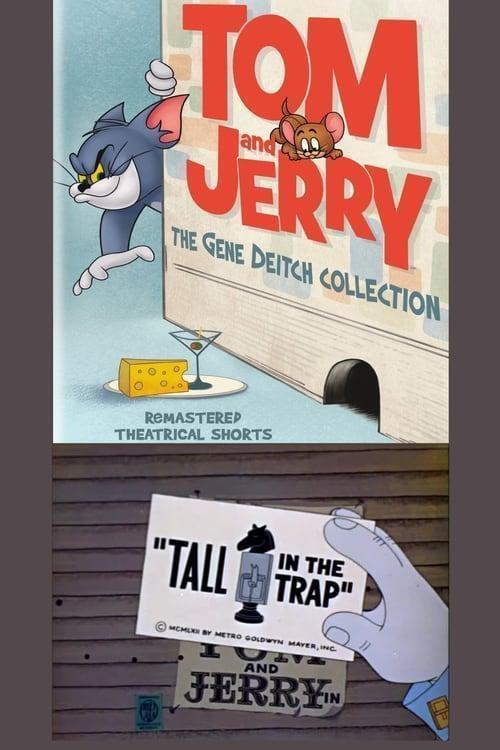
1962
TV-PGDirector
Gene Deitch
Runtime
8 minutes
Average Rating
No ratings yetNew Showbiz Analysis
Tall in the Trap is a typical Western genre piece that relies on well-established clichés rather than exploring social complexities. The story focuses on the classic conflict between an outlaw and a lawman, limiting the range of identity representation. The film adheres to the narrative structures common in the early 1960s. It serves as a straightforward comedy that upholds existing social hierarchies without challenging them or broadening the spectrum of human experience.
Category Breakdown
The film does not include any characters with non-binary gender identities or same-sex relationships. It follows the traditional, straight-focused storylines common in 1962 Western animation.
The story revolves around a male-dominated conflict between a thief and a sheriff, reinforcing traditional masculine roles without giving female characters much influence.
Set in a typical Western setting, the film seems to follow the homogeneous casting typical of its time. There are no specific mentions of diverse characters.
The plot emphasizes maintaining traditional institutions like law and order and private property. It supports existing social norms without questioning them.
There is no mention of characters with visible or invisible disabilities in the narrative.
Present on Screen
Limited or Absent
Official Synopsis
When Jerry rustles cheese from the Dry Gulch General Store, Sheriff Mutt Dillin hires Tom, the fastest trap in the West.
1950
1956
1949
1962

1951
1952
1951
1938
No reviews yet. Be the first to share your thoughts on this movie!
Use the rating form above to leave a star rating and optional review.