
The Midas Touch
1989
No user ratings available yet
Representation score: 5.1 out of 10
Representation Score
Limited
1985
Director
Géza Bereményi
Runtime
100 minutes
Average Rating
No ratings yetNew Showbiz Analysis
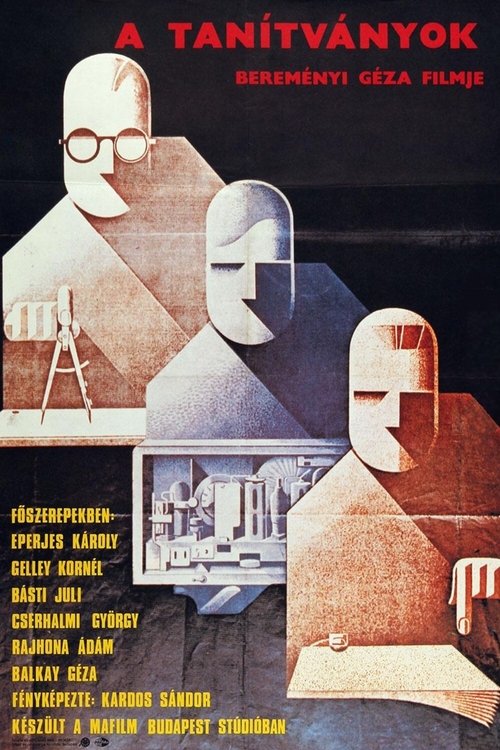
The Disciples is a period drama that emphasizes a critique of institutional structures over modern identity-based representation. It delves into the disillusionment of intellectuals trying to modernize Hungarian society amid the chaos of World War II. While the film lacks diversity in terms of LGBTQ+ and racial representation, it excels in its cultural critique. By dismantling the myth of benevolent institutions, the narrative presents a skeptical view of traditional governance and systemic stability. Ultimately, the film serves as a historical study of failed idealism rather than a showcase for diverse social identities.
Category Breakdown
The film does not include any LGBTQ+ characters or narratives. The storyline focuses on political and administrative reforms during a period of significant historical change.
The story centers around Professor Magyary and his students, indicating a male-dominated academic environment. It likely reflects the gender roles and hierarchies of the 1930s and 1940s.
Set in Hungary during the late 1930s, the film probably features a predominantly homogeneous cast. The music reflects the historical context and constraints of the time and place.
The film offers a sophisticated critique of traditional power structures. It challenges the notion of stable institutions by highlighting the collapse of intellectual and political illusions.
There is no information available regarding the depiction of physical or neurodivergent characters in this work.
Present on Screen
Limited or Absent
Official Synopsis
The heroes of this story, based on real events at the end of the 1930s and during World War II, face and dismiss the illusions of intellectuals about their ability to transform society. Professor Magyary and his disciples hoped to promote the modernisation of Hungarian society through a radical reform of public administration.
1989
2018
1954

1964
1979
1967
1960
1969
No reviews yet. Be the first to share your thoughts on this movie!
Use the rating form above to leave a star rating and optional review.