
Twenty Hours
1965
No user ratings available yet
Representation score: 3.2 out of 10
Representation Score
Fair
1967
Director
Ferenc Kósa
Runtime
110 minutes
Average Rating
No ratings yetNew Showbiz Analysis
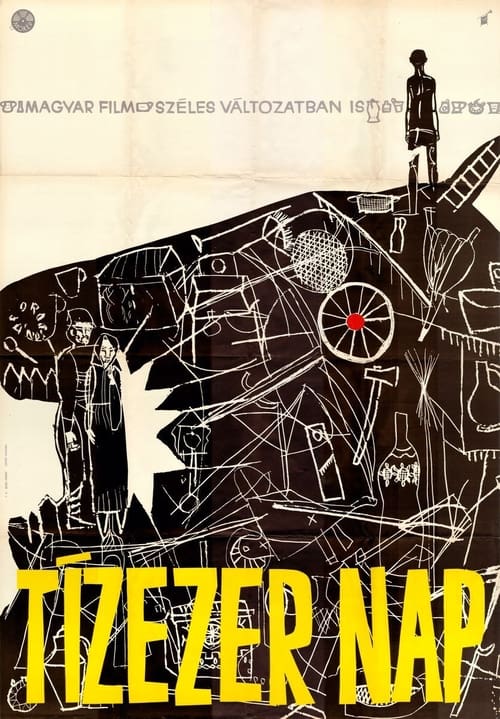
Ten Thousand Days is a reflective look at political and social changes in mid-century Hungary. It excels in using a tripartite character study to explore individual experiences within large systemic shifts. However, the film lacks modern markers of diversity. The narrative is focused on male perspectives and follows a traditional historical lens without explicit LGBTQ+ or diverse racial representation. The film's strength lies in its sophisticated cultural analysis of state power and the human cost of political instability, rather than its breadth of identity representation.
Category Breakdown
The film focuses on the lives of three men during times of political change. There is no indication of non-straight relationships or same-sex intimacy.
The story centers around three older men, suggesting a male-focused viewpoint. The film seems to follow a traditional historical lens that emphasizes male perspectives.
Set in Hungary, the cast likely reflects the ethnic makeup of the region. There is no indication of diverse casting to challenge historical norms.
The film explores themes of political upheaval and critiques of political structures. It highlights the impact of historical events and national instability.
There is insufficient information regarding the depiction of physical or neurodivergent characters to provide a definitive score.
Present on Screen
Limited or Absent
Official Synopsis
The changing and turbulent history of Hungary is seen through the eyes of three men over a 30-year period in this somber drama. The three recall the highlights of their lives in flashbacks as they reminisce in the mid 1960s. The venerable trio begin their story in the 1930s, through World War II, and the decade beyond the communist invasion of 1956.
1965

1964
1976
1975

1973
1969
1969

1989
No reviews yet. Be the first to share your thoughts on this movie!
Use the rating form above to leave a star rating and optional review.