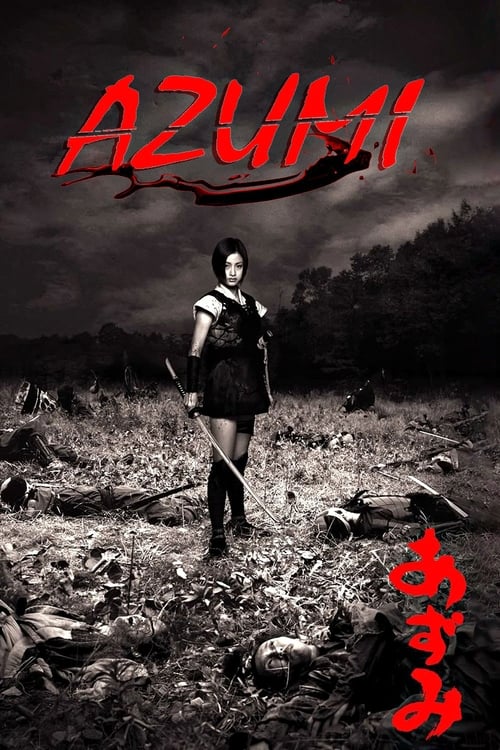
Azumi
2003
No user ratings available yet
Diversity score: 4.5 out of 10

2010
Director
Hideyuki Hirayama
Runtime
114 minutes
Average Rating
No ratings yetSynopsis
A talented but troubled Edo Period swordsman, Kanemi Sanzaemon. Three years earlier, Kanemi killed a woman, Renko, the corrupt mistress of the powerful daimyo Tabu Ukyou. Unexpectedly, Kanemi received a lenient sentence for his crime and is allowed to return to his clan after only one year of imprisonment. Following his return, Kanemi is faced with the death of his wife, Mutsue. Thereafter, Kanemi lives with and cares for his wife's niece, Satoo, who has secret affections for Kanemi and expresses them by helping change his bleak outlook on life. Meanwhile, Kanemi's develops his unique "bird-catching" sword technique which he will soon put to test in battle for the first time against the fearsome swordsman, Hayatonosho Obiya.
Overall Score
Limited
Category Breakdown
LGBTQ+ Representation
The film follows traditional heteronormative structures typical of the Edo period. Romantic tensions are centered entirely on the protagonist's relationships with female characters.
Gender Representation
Female characters primarily function in domestic or supportive roles, providing emotional scaffolding for the hero. The central conflict and martial agency remain firmly with the male protagonist.
Racial & Ethnic Diversity
The cast is culturally homogeneous, reflecting the historical reality of the era. The narrative focuses on a localized, ethnically specific context without attempting to disrupt the demographic status quo.
Religious & Cultural Diversity
The story adheres to standard chanbara genre tropes, focusing on individual villainy rather than systemic critique. It prioritizes martial mastery and personal honor over political subversion.
Disability Representation
There are no prominent depictions of visible or invisible disabilities. Character struggles are centered on psychological and martial themes rather than physical or neurodivergent impairments.
Strengths
Areas for Improvement
AI Analysis
Sword of Desperation is a classic period piece that prioritizes genre conventions over social disruption. It functions as a focused character study of a specialized warrior, utilizing a framework that reinforces established social and gender hierarchies. The film relies on traditional tropes of the samurai lifestyle, emphasizing individual skill and isolation. It does not attempt to introduce intersectional complexities or challenge the historical status quo of the Edo period. Ultimately, the narrative serves the requirements of the action-thriller genre, favoring martial mastery and personal destiny over progressive representation or systemic critique.
No reviews yet. Be the first to share your thoughts on this movie!
Use the rating form above to leave a star rating and optional review.