
Mezzo Forte
2000
No user ratings available yet
Diversity score: 4.2 out of 10
1998
TV-MADirector
Yasuomi Umetsu
Runtime
50 minutes
Average Rating
No ratings yetSynopsis
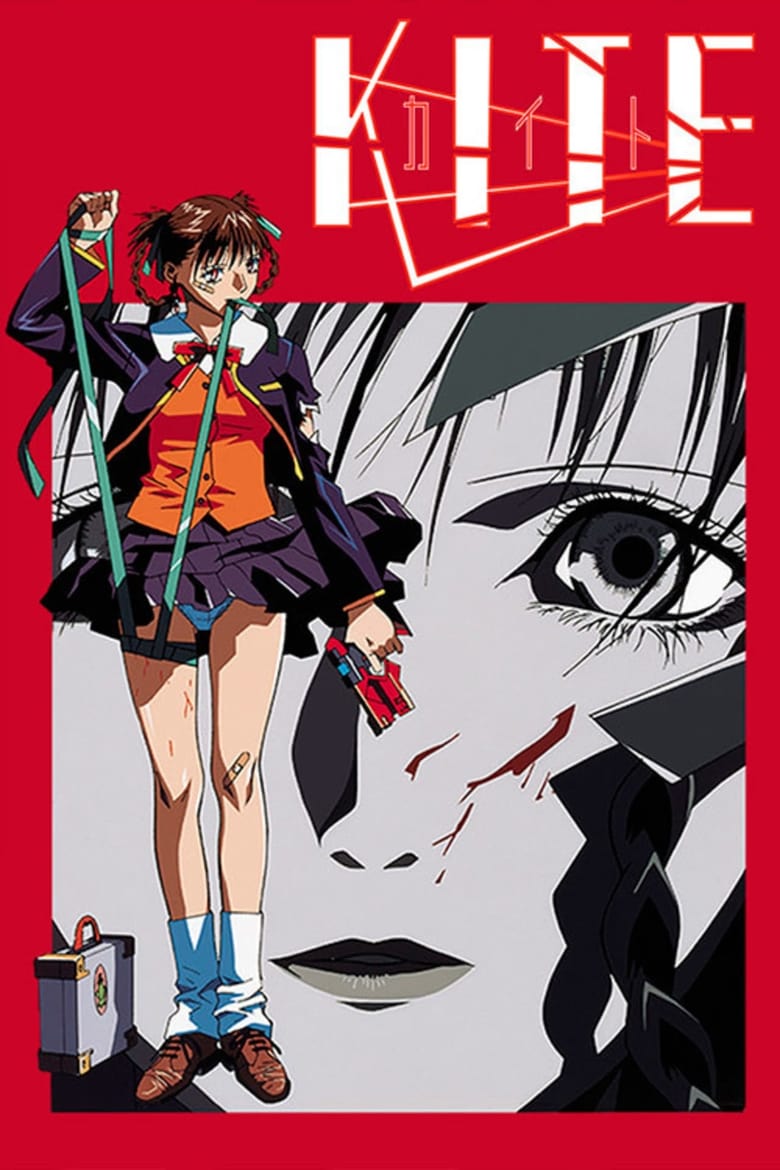
Sawa, orphaned as a child by murderous thugs, now targets the scourge of society as a trained killer for a mercenary syndicate. Coquettish and capable of unimaginable violence, she's grown into the perfect weapon — but doubt takes hold in Sawa's mind when her fellow assassin, Oburi, decides he wants out.
Overall Score
Fair
Category Breakdown
LGBTQ+ Representation
The story centers on a heteronormative romantic and professional bond between Sawa and Oburi. It lacks explicit depictions of non-cisnormative identities or queer subtext.
Gender Representation
Sawa disrupts conventional hierarchies as the primary agent of action with superior combat proficiency. She challenges traditional masculine leadership tropes by prioritizing professional lethality over domesticity.
Racial & Ethnic Diversity
The film is rooted in a specific Japanese urban context. It lacks the intersectional breadth or racial blending required for a higher score.
Religious & Cultural Diversity
The narrative critiques institutional authority by framing assassins as central protagonists. It prioritizes personal loyalty and situational ethics over state-sanctioned morality and traditional justice.
Disability Representation
There is no meaningful depiction of visible or invisible disabilities. Characters are defined by the peak physical capability required for their roles.
Strengths
Areas for Improvement
AI Analysis
Kite is a striking example of narrative subversion that prioritizes character agency over demographic breadth. Its most significant achievement is the inversion of gendered power dynamics, placing a lethal female protagonist in a position of tactical dominance. However, the film remains narrow in its social scope. It lacks representation for LGBTQ+ identities and disability, focusing instead on a highly specialized, physically elite cast within a culturally specific Japanese setting. Ultimately, the film's value lies in its philosophical depth. It trades traditional moralizing for a gritty, nihilistic exploration of individual survival and the deconstruction of institutional authority.
2000
1989

2016

2008
No reviews yet. Be the first to share your thoughts on this movie!
Use the rating form above to leave a star rating and optional review.