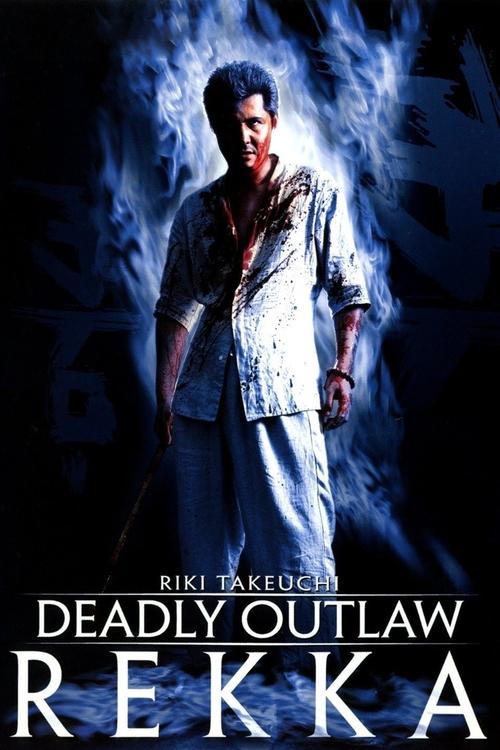
Deadly Outlaw: Rekka
2002
No user ratings available yet
Representation score: 2.7 out of 10

Representation Score
Limited
1996
Director
Takashi Miike
Runtime
99 minutes
Average Rating
No ratings yetNew Showbiz Analysis
Takashi Miike’s film operates within the hyper-violent crime genre, focusing on cultural critique rather than demographic diversity. The narrative centers on a young protagonist challenging a corrupt patriarchal system, providing a progressive subversion of institutional morality despite a homogeneous cast. The film’s strength lies in its narrative structure of rebellion against traditional authority, rather than in its representation of diverse identities.
Category Breakdown
The film centers on familial violence and gang warfare within a traditional Yakuza setting. There are no clear LGBTQ+ narratives, focusing instead on hyper-masculine themes.
The story revolves around patriarchal conflict and vengeance-driven male archetypes. Female characters have little influence over the plot, reinforcing traditional power structures.
Set within Japanese organized crime, the film portrays a largely homogenous society. It emphasizes internal clan dynamics without exploring diverse ethnic backgrounds.
The film critiques traditional family and criminal hierarchies, presenting the established patriarch as corrupt and oppressive.
There is no evidence regarding the portrayal of physical or neurodivergent disabilities within the narrative.
Present on Screen
Limited or Absent
Official Synopsis
In order to settle a business dispute, a mob leader murders one of his own teenage sons. The surviving son vows to avenge his brother's death, and organizes his own gang of teenage killers to destroy his father's organization.
2002
1999

2001
2000
2003
1995
2006
1996
No reviews yet. Be the first to share your thoughts on this movie!
Use the rating form above to leave a star rating and optional review.