
Zero Woman: The Accused
1997
No user ratings available yet
Representation score: 5.9 out of 10
Representation Score
Limited
1973
RDirector
Ryuichi Takamori
Runtime
88 minutes
Average Rating
No ratings yetNew Showbiz Analysis
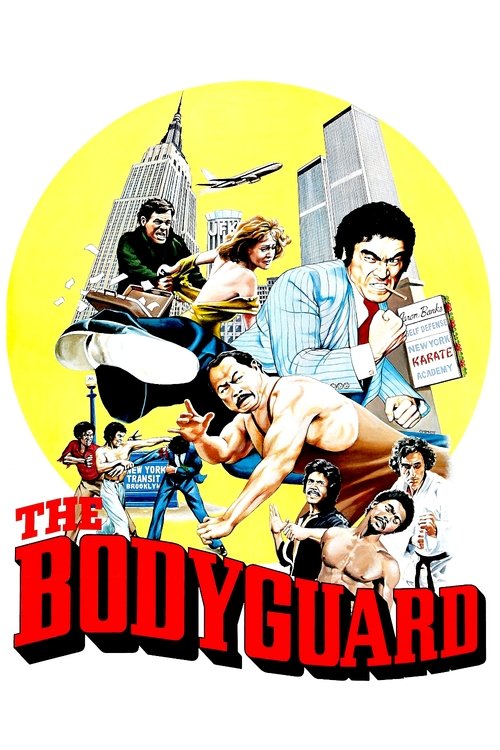
The Bodyguard (1973) is a traditional genre piece that follows established action clichés. While it offers a non-Western setting that highlights cultural specificity, its narrative structure remains conventional. The film centers on a male hero and a female character who serves as a plot catalyst. The woman provides critical information but is framed as needing protection. This dynamic leans heavily on the 'damsel in distress' cliché. Overall, the film emphasizes individual physical strength and moral vigilance over a critique of systemic power or identity. It functions as a standard thriller without delving into deeper social commentary.
Category Breakdown
The film does not include any explicitly LGBTQ+ characters or explore non-straight relationships. The story revolves around a male protagonist and a mysterious woman, adhering to typical 1970s thriller structures.
The story centers on a male karate master as the main driver of events. Although the female lead contributes significantly to the plot, she is portrayed as a woman who needs protection.
Set in Japan with a Japanese protagonist, the film presents a non-Western cultural context. This focus on local social structures breaks away from the Western-centric narratives common in global cinema.
The film examines vigilantism through individual heroism rather than critiquing systemic issues. Drug use is used as a straightforward moral antagonist rather than a means to explore complex social causes.
There are no characters with visible or invisible disabilities featured in the narrative.
Present on Screen
Limited or Absent
Official Synopsis
Karate master and anti-drug vigilante Chiba returns to his home in Japan, where he holds a press conference announcing his intention to wipe out the nation's drug industry. He also offers his services as a bodyguard to anyone who is willing to come forward and provide information about the drug lords' activities. He is soon approached by a mysterious woman claiming to have important information and asking for Chiba's protection. She seems to be legitimate, but is she really what she appears to be?
1997
1966

1999

1972

1998
1974

1992
1973
No reviews yet. Be the first to share your thoughts on this movie!
Use the rating form above to leave a star rating and optional review.